Victorian Liberals Pledge Mandatory Weekly Rubbish Collections Ahead of November State Election
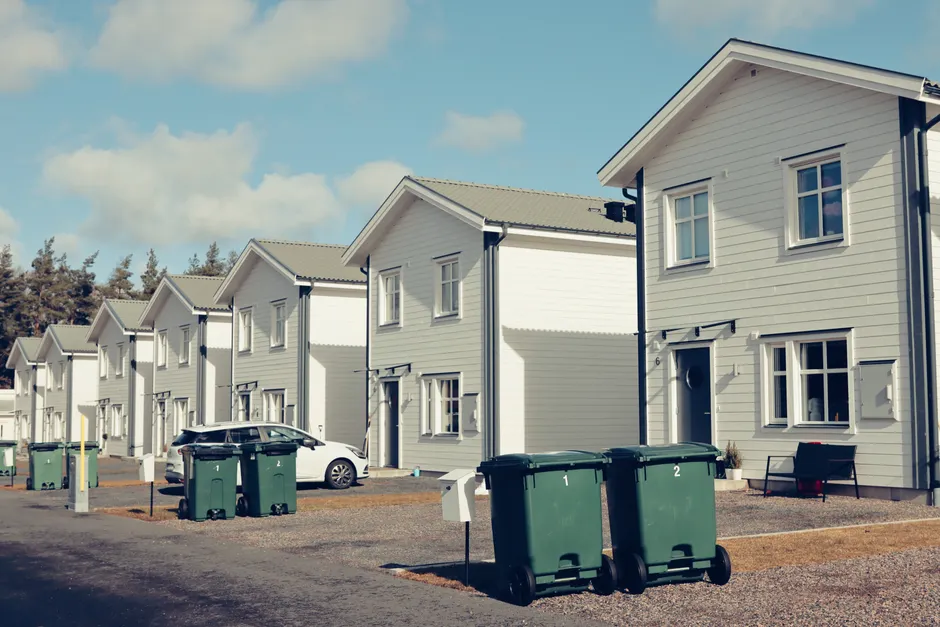
Victorian Liberal leader Jess Wilson vowed on 10 August 2026 to restore weekly general rubbish collections across the state if the Liberals win November's state election, pledging that a Liberal-National government would require councils to collect general waste every week and describing the current fortnightly system in her own local area as "disgusting" (The Guardian).
Wilson's electorate of Kew falls within the Boroondara local government area, one of thirty-three Victorian councils that have already switched general rubbish collections from weekly to fortnightly. Metropolitan Melbourne councils that have made the shift include Banyule, Bayside, Boroondara, Glen Eira, Knox, Manningham, Monash, Nillumbik, and Yarra Ranges (The Guardian). Merri-bek council is expected to follow from mid-2027, a move it said would save ratepayers $16 million over ten years (The Guardian).
The pledge involves two linked policy mechanisms. First, a Liberal-National government would mandate weekly collection of the red-lidded general waste bin at the council level. Second, Wilson said her government would apply the existing council rate cap to waste charges, ensuring households would not pay more as a result of the change (The Guardian). The Victorian Liberal Party's official Facebook account reinforced the commitment on 10 August, stating that "under a Jess Wilson Liberal Government" it would "guarantee weekly red bin collection" (Liberal Party Victoria, Facebook). Wilson had previewed the announcement a day earlier, posting a video reel on her Instagram account on 9 August 2026 in which she said: "We're going to guarantee your red waste bin gets collected every week" (Wilson, Instagram).
The broader policy package also targets the Allan government's four-bin mandate. Victorian Liberal MP Bev McArthur stated in July 2026 that a Wilson Liberal Government would remove the mandate requiring every council to introduce Labor's fourth bin (McArthur, Facebook). That promise aligns with longer-running Liberal concerns about waste policy in rural communities. The party's November 2022 Real Solutions plan noted that farmers and others in rural areas had expressed concern about potential biosecurity, rubbish management, and bushfire risks tied to waste-system changes (Victorian Liberal Party, Real Solutions plan). Separately, the Victorian Liberals highlighted in February 2026 that Warrnambool City Council collects waste from 165 bins on State Government land at a cost of approximately $200,000 per year, framing it as a cost burden on local ratepayers (Victorian Liberal Party).
The political arithmetic is straightforward. Thirty-three councils have already moved to fortnightly collection, many citing cost savings and waste-diversion targets. Merri-bek's projected $16 million saving over a decade illustrates the financial logic councils have followed: fewer collection runs mean lower contracting and operational costs, and the shift is often paired with food-and-garden-organic (FOGO) bin rollout to manage putrescible waste diverted from the red bin. The Liberals' promise would reverse that trajectory at the state level, overriding council waste-management decisions by legislative mandate and applying rate-capping to the waste charge component of council bills.
The rate-capping element is the more technically demanding part of the pledge. Victoria's Fair Go Rates system caps municipal rates but has not historically extended to the separate waste charges that councils levy independently. Applying the cap to waste charges would require either legislative amendment or a regulatory determination expanding the scope of the Essential Services Commission's oversight. For councils that have already renegotiated multi-year collection contracts around fortnightly frequencies, a mandatory return to weekly runs would carry contractual and operational costs that the rate cap is designed to prevent being passed on to households — leaving councils to absorb the difference or renegotiate terms with contractors.
The four-bin mandate Wilson's party proposes to scrap represents the other half of the current waste-policy architecture. The Allan government's requirement that councils introduce a fourth bin (typically for glass or FOGO, depending on the council's existing system) is part of Victoria's broader circular-economy framework under the Circular Economy (Waste Reduction and Recycling) Act 2021, which established a statewide standardised four-stream household waste system. Removing that mandate while simultaneously requiring weekly red-bin collection would represent a significant departure from the current policy direction, which has used the combination of fortnightly general waste and expanded source separation to drive landfill diversion.
Whether the pledge resonates with voters in November will depend in part on whether the public views fortnightly collection as an operational failure or an acceptable trade-off for lower costs and higher recycling rates. Wilson's framing of the issue as one of basic service standards, using language like "disgusting," signals an intent to make waste collection a tangible, kitchen-table issue in the campaign. The councils already on fortnightly systems — including Boroondara, Wilson's own — will be the testing ground for whether that message lands.