Former Thai MP Chalong Reawraeng Arrested After Fatal Shooting of Nonthaburi PAO President
Former Thai MP Chalong Reawraeng allegedly shot and killed Thongchai Yenprasert, president of the Nonthaburi Provincial Administrative Organisation (PAO), in Nonthaburi province on August 10, 2026, according to the most recent reporting from the BBC Source: BBC.
Thongchai, a retired police colonel who led the local government body, sustained a gunshot wound to the neck during the incident. Rescue workers performed CPR on him at the scene before he was transported to hospital, where he was pronounced dead Source: The Star. Thongchai's driver was also shot in the arm and hand during the encounter Source: BBC.
Chalong, who also goes by the name Chalong Riewrang, admitted to the shooting in a phone call to a YouTube livestream hosted by political pundit Anchalee Paireerak. He told the host he had shot Thongchai, an admission that placed the allegation into the public domain in real time Source: BBC.
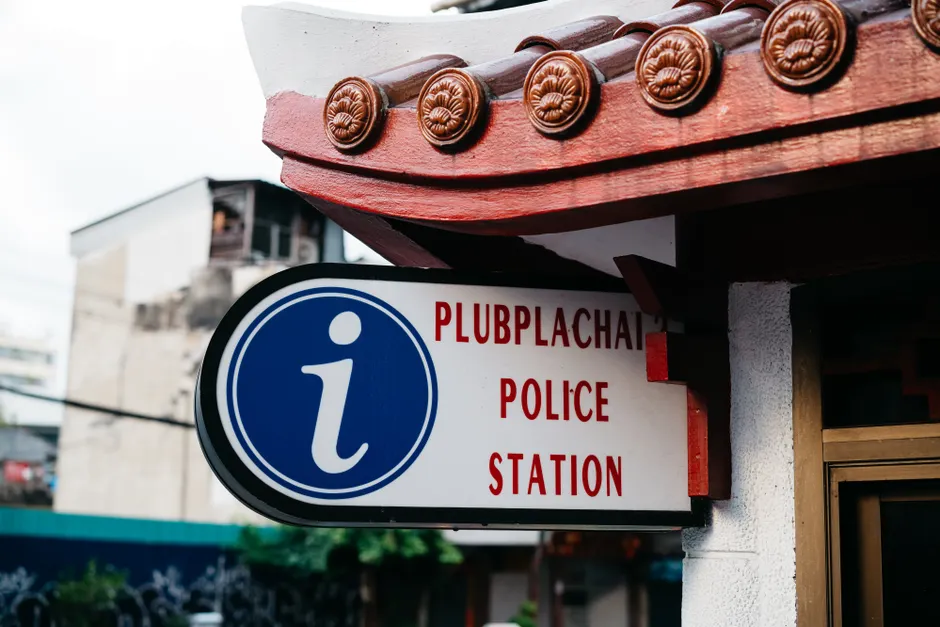
Following his arrest, Chalong held a press conference at a police station. He spoke while smoking a cigarette and offered his account of the events. He described Thongchai as a 'good friend' who had been 'angry' at him. Chalong stated he did not intend to shoot him. He claimed he fired after Thongchai's driver pulled out a gun and pointed it at him Source: BBC.
The broader context here is the collision of three elements: the role of digital media in the immediate narration of violent events, the complex relationship between political figures and local administration in Thailand, and the unusual spectacle of a press conference held while the suspect was in police custody.
Chalong's decision to call into a YouTube livestream to admit to the act is notable. Political figures and commentators in Thailand frequently use social media platforms to communicate directly with the public. In this case, the technology allowed the suspect to shape the narrative before formal charges could be filed or a police statement issued. This move created an immediate, unfiltered record of his claim of responsibility.
The dynamics between former Members of Parliament and local government officials can be competitive. Thongchai held a powerful position as the president of the PAO, a body responsible for local administration and development. The fact that Thongchai was a retired police colonel adds another layer to the incident. It suggests the two men operated in interconnected networks of political and security influence. Chalong's claim that the driver drew a weapon first introduces a contested account of self-defense that will likely be central to any legal proceedings.
The press conference itself was unorthodox. The sight of a suspect, recently arrested for a fatal shooting, smoking and explaining his actions to the press from a police station raises questions about the handling of high-profile cases in the Thai justice system. It presents a stark contrast to the standard procedure of limited communication before a court appearance.
Looking ahead, the case will hinge on the forensic evidence and witness testimonies that either support or contradict Chalong's claim of a threat from the driver. The Thai legal system will need to reconcile the suspect's public admissions with the formal investigative process. For observers of Thai politics, the incident serves as a raw case study in how personal and political disputes can escalate into lethal violence, and how the modern media cycle captures and amplifies every moment of the fallout.