Boeing Sells Wisk Aero, Insitu, and SkyGrid to Archer Aviation for Near-20% Stake
Boeing has agreed to sell three of its subsidiaries — Wisk Aero, Insitu, and SkyGrid — to Archer Aviation in exchange for a near 20% equity stake in Archer, with both companies also committing to ongoing technology sharing and collaboration. The definitive agreements, announced August 10, 2026, transfer a portfolio spanning autonomous eVTOL aircraft, high-altitude military drones, and urban air traffic management software to a company that has yet to begin commercial air taxi operations. Reuters
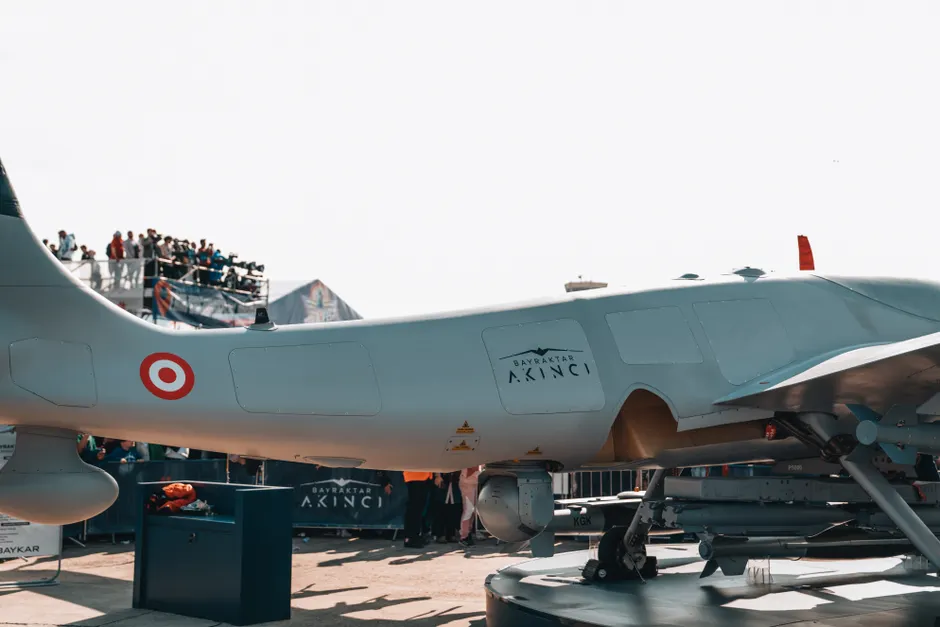
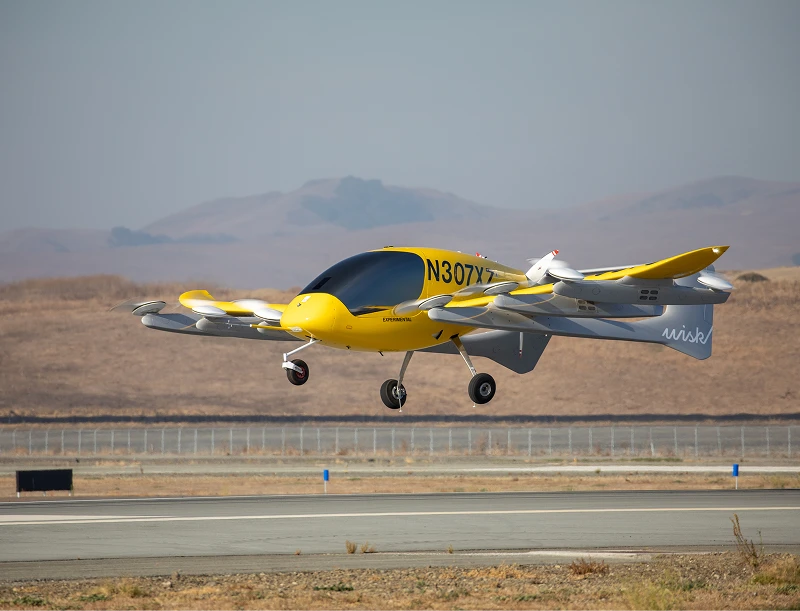
The three subsidiaries cover distinct layers of the advanced air mobility stack. Wisk Aero, formed in 2019 as a joint venture between Boeing and Kitty Hawk (the flying taxi startup backed by Google cofounder Larry Page), develops an autonomous electric aircraft and has designed, built, and flown six generations of it, amassing more than 1,700 flight tests. SkyGrid builds air traffic management systems intended for urban air taxi operations. Insitu, the oldest of the three, manufactures high-altitude drones used by the US Navy and brings a profitable defense business generating over $200 million in annual revenue across operations in 35 countries. The Verge
Under the deal, Boeing retains access to Wisk's autonomous flight systems for its current and next-generation commercial and defense projects. Boeing will also invest in Archer and collaborate with the company on an ongoing basis. Boeing vice president Brian Yutko called the transaction "a win-win for Boeing and Archer" and said it allows Wisk, SkyGrid and Insitu to "accelerate capability development and time to market." The Verge
Archer CEO Adam Goldstein described the deal as "a watershed moment" and "a next big step forward" in becoming a diversified platform. Boeing's official press release framed the transaction as creating "an end-to-end physical AI platform for aerospace and defense," a characterization that points to the convergence of autonomous flight software, airspace management, and hardware platforms under a single corporate umbrella. The Verge
The relationship between these two companies has not always been collaborative. Wisk sued Archer in 2021, alleging trade secret theft and patent infringement. The litigation was settled in August 2023, with Wisk agreeing to become the exclusive provider of autonomous flying technology to Archer and Boeing contributing a $215 million investment. At the time, Archer's shares surged 30% in after-hours trading on news of the settlement. Three years later, Archer is absorbing Wisk outright rather than contracting with it as a supplier. Reuters
The market response to the acquisition was immediate. Archer's stock surged 20% following the August 10 announcement. Investing.com
For Boeing, the divestiture narrows its portfolio at a moment when the company faces a $715 billion backlog representing over 6,200 commercial aircraft that customers have ordered but the company has yet to build. Shedding three advanced air mobility subsidiaries while retaining technology access through the equity stake and collaboration agreement lets Boeing concentrate capital and engineering bandwidth on its core commercial aviation and defense programs without fully exiting the autonomous flight space. The Verge
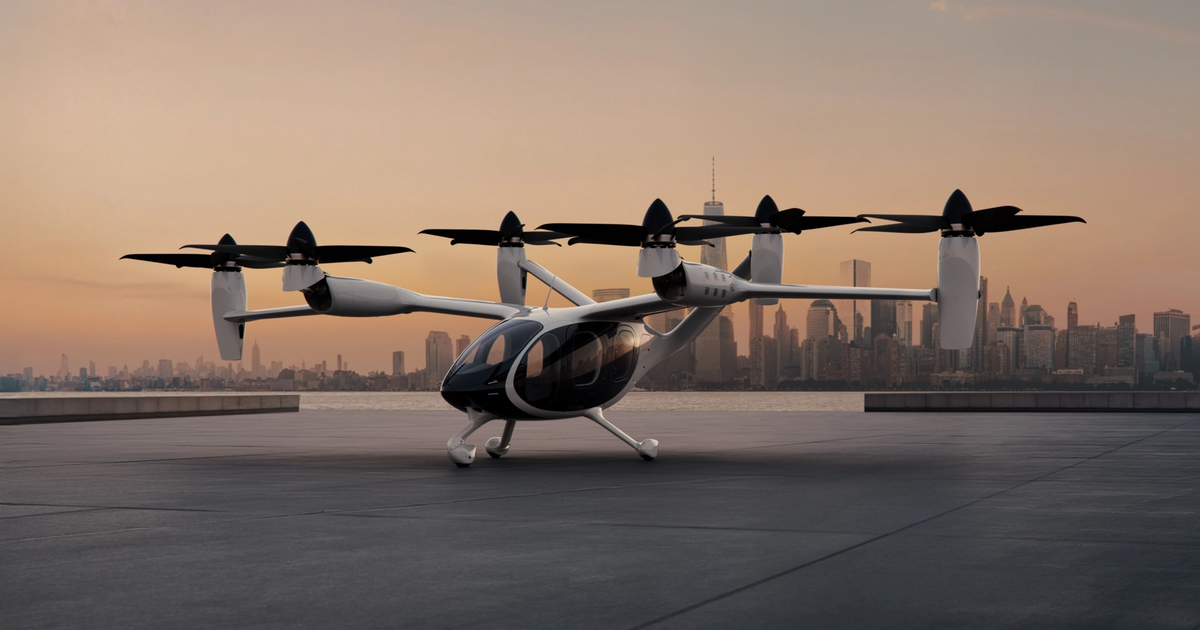
For Archer, the deal transforms the company's profile. Until now, Archer has been an eVTOL manufacturer preparing for commercial launch, with plans to begin pilot air taxi services in New York, Texas, and Florida before the end of 2026. The company recently unveiled a new eVTOL aircraft co-developed with Palmer Luckey's defense tech company Anduril, signaling an appetite for the defense market that the Insitu acquisition now substantiates with an existing, revenue-generating business. Adding a profitable defense unit with a 35-country operational footprint, plus autonomous flight technology validated through 1,700+ test flights and airspace management software purpose-built for urban air mobility, gives Archer capabilities that would have taken years to develop organically. The Verge
Looking at what this means for the eVTOL sector more broadly, the transaction is a consolidation event. The urban air mobility field has been crowded with well-funded startups pursuing similar aircraft architectures, certification paths, and go-to-market strategies, but few have demonstrated a clear path to profitability. Archer is now positioning itself not as a pure-play air taxi operator but as a diversified aerospace and defense platform with revenue from military drone contracts, autonomous flight IP, and airspace management infrastructure alongside its consumer-facing eVTOL ambitions. Whether that breadth proves an advantage or a distraction during the critical certification and commercialization phase remains an open question, and one that the next 12 to 18 months of pilot launches will begin to answer.
The trajectory from litigation to partnership to acquisition is worth noting. Wisk's 2021 lawsuit alleged that Archer had stolen its intellectual property. The 2023 settlement converted that adversarial relationship into a supplier arrangement. This deal converts it into outright ownership, with the former plaintiff's parent company becoming a significant shareholder in the accused. In aerospace, as in other technology sectors, the distance between fierce competitors and strategic partners can collapse quickly when capital efficiency and time to market demand it.