Made by Google 2026: Pixel 11 Lineup, Tensor G6 on 2nm, and the HiLight Camera Bar

Google will unveil its Pixel 11 smartphone lineup at the Made by Google 2026 hardware event on Wednesday, August 12, starting at 6PM ET / 3PM PT, streamed live on the company's Made by Google YouTube channel (The Verge, Android Central, CNET). Comedian Trevor Noah will host the presentation (The Verge).
Four devices are expected: the Pixel 11, Pixel 11 Pro, Pixel 11 Pro XL, and Pixel 11 Pro Fold (The Verge). Availability details will be announced at the event itself (Google Store). Notably, the Google Store homepage is already running a Pixel 11 preorder countdown that expires at 10AM ET on Wednesday, hours before the livestream begins (The Verge). Opening preorders before the official reveal is unusual for this event series, and it suggests Google is confident enough in its leaked positioning to let consumers commit sight-unseen.
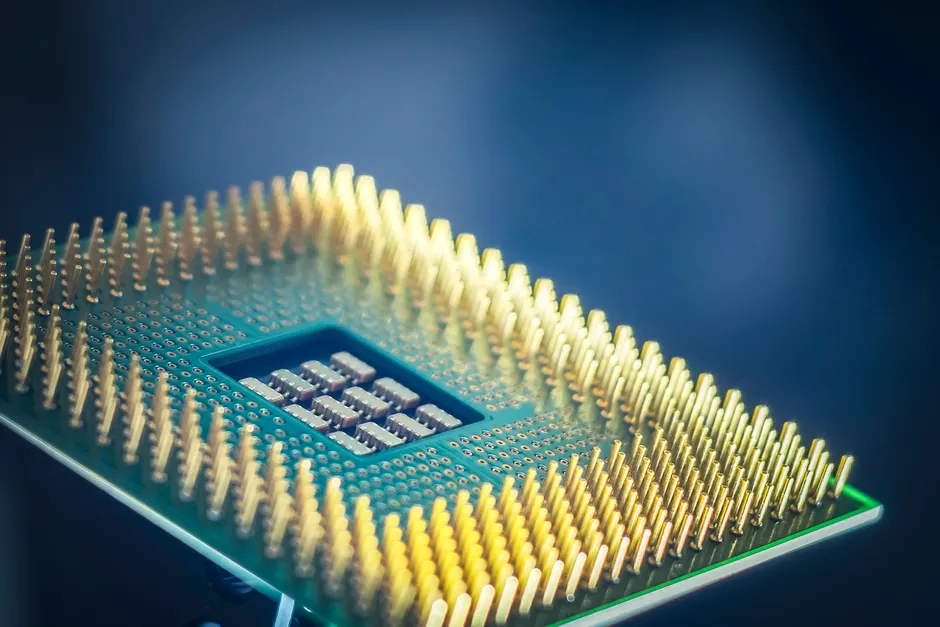
The centerpiece silicon story is the Tensor G6. Rumored to be fabricated on TSMC's 2nm process node, the chip is expected to deliver performance and power efficiency gains over the Tensor G5 found in the Pixel 10 generation (The Verge). If the 2nm node is confirmed at launch, the Pixel 11 series would be the first smartphones on the market to ship with a 2nm chip (The Verge).
That distinction matters beyond marketing. Moving to TSMC's 2nm node would give Google a genuine silicon-level advantage over competitors still on 3nm-class processes, at least for a window of months. For a company that has historically lagged Qualcomm and Apple on process node adoption, this would mark a notable shift. The performance and power efficiency gains that a full-node shrink typically delivers are especially consequential for on-device inference workloads, where thermal headroom and sustained clock speeds directly affect model latency. Google's Tensor strategy has always been less about raw benchmark leadership and more about vertically integrating AI acceleration. A 2nm node would give that strategy more transistors to spend on custom ML accelerators without blowing the power budget.
Google has also been teasing a new hardware feature: a rainbow glowy light embedded in the camera bar of the Pixel 11 Pro. The company has shown it off but has not specified what it does or what it is called (The Verge). Code discovered in Google's contacts app, however, points to the feature being called "HiLight." According to that code, users will be able to customize the light with different colors to indicate when specific contacts call (The Verge). A camera-bar notification light is a novel touch for smartphones, though the functional overlap with existing always-on display and ringtone-based caller ID is considerable. Whether HiLight extends beyond caller identification into broader notification use cases is one of the open questions for Wednesday.
This launch comes exactly one year after the Pixel 10 family was announced at Made by Google 2025, an event that marked Google's tenth year building Pixel devices (Google Blog). The original Pixel and Pixel XL debuted on October 4, 2016, meaning the Pixel line is now entering its second decade (Google Blog). The Pixel 10, Pixel 10 Pro, and Pixel 10 Pro XL went on shelves starting August 20, 2025, following a similar mid-August launch cadence (Google Blog).
Google has settled into a predictable rhythm: mid-August hardware event, preorder window opening within days, retail availability by late August. The cadence itself is unremarkable at this point, but the substance of what ships within it is shifting. The Tensor G6 on a 2nm node, if confirmed, would put Google on the leading edge of process-node adoption for the first time in the Pixel program's history. And features like HiLight signal that Google is still searching for hardware-level differentiators that competitors cannot replicate through software alone.
Worth flagging: the preorder countdown ending before the event is a meaningful tell. Google typically gates preorders until after the presentation. Letting consumers commit before the official reveal implies either that the company considers the leaks accurate enough to not need the event to close sales, or that it is front-loading preorder volume for supply-chain reasons. Either reading suggests confidence in the product, though it also compresses the window for any last-minute surprises to land before consumer dollars are committed.
The broader question for Wednesday is whether the Pixel 11 lineup does anything beyond iterative silicon gains and incremental hardware flourishes to advance Google's AI-first vision for the smartphone. A 2nm Tensor chip, a foldable that continues to mature, and a quirky camera-bar light are each interesting in isolation. Whether they cohere into a compelling reason to upgrade from a Pixel 10 bought twelve months ago is a harder sell, and one that the event will need to address directly.