Colombia Recognises Israeli Sovereignty Over Golan Heights, Becoming Second Nation After US
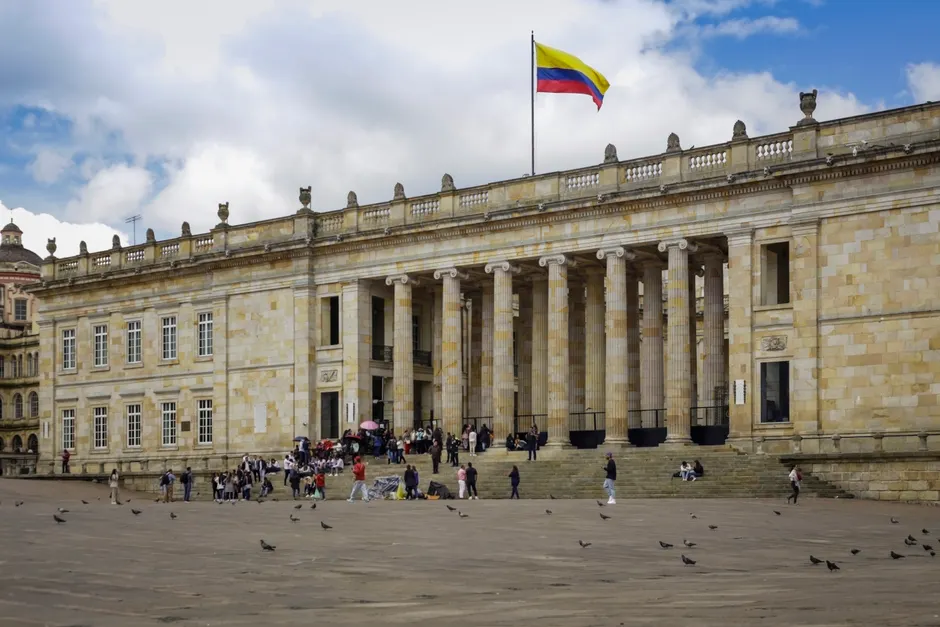
Colombia's Foreign Ministry announced on 10 August 2026 that the country recognises Israeli sovereignty over the Golan Heights, making it the second nation worldwide to do so after the United States (Al Jazeera).
The statement, published on X, cited the strategic importance of the Golan Heights to Israel's security and Israel's right to defend itself against external threats (Jerusalem Post; Times of Israel). The announcement came days after far-right President Abelardo de la Espriella took power (Al Jazeera).
Israeli Foreign Minister Gideon Saar thanked de la Espriella for the "historic" recognition, saying the two had agreed on the move in Barranquilla a day before de la Espriella's inauguration (Al Jazeera). The diplomatic coordination before the inauguration signals that the Golan recognition was a deliberate early priority for the incoming administration rather than a reactive decision.
Colombia's recognition also included a reversal of the previous government's Palestinian diplomatic agenda. De la Espriella cancelled predecessor Gustavo Petro's plans to open a Colombian embassy in Ramallah in the occupied West Bank (Al Jazeera). The embassy cancellation and the Golan recognition together mark a sharp departure from Colombia's recent posture toward Israel and the Palestinian territories.
Until this week, Colombia's formal position was the opposite of its new stance. A 12 November 2015 Foreign Ministry document set out Colombia's position of not recognising Israeli sovereignty over the occupied territories, including the Golan Heights, the Gaza Strip, and others (Colombian Foreign Ministry Normograma). That position was cited in Colombian Constitutional Court ruling C-254 of 2019, published on the Foreign Ministry's Normograma page (Colombian Foreign Ministry Normograma). The constitutional citation means Colombia's reversal touches not only foreign policy but the juridical framework underpinning it.
The United States remains the only other country to recognise Israel's annexation of the Golan Heights, having done so in 2019 under President Donald Trump (Al Jazeera). Colombia's decision brings the total number of recognising states to two.
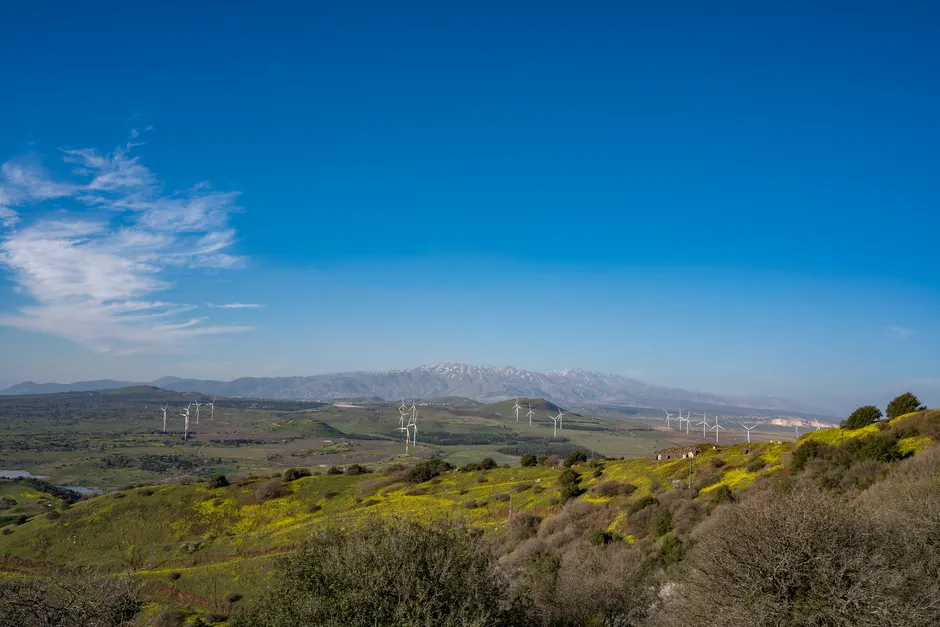
Israel captured most of the Golan Heights from Syria during the 1967 Six-Day War and illegally annexed the territory in 1981 (Al Jazeera). The United Nations recognises the Golan Heights as part of Syria. In the month before Colombia's recognition, UN Secretary-General Antonio Guterres reiterated this stance, calling the Israeli occupation "totally unacceptable" (Al Jazeera).
Colombia's recognition also comes as Israel has expanded its military footprint in Syria following the collapse of Bashar al-Assad's government in December 2024 (Al Jazeera). The post-Assad security vacuum has given Israel greater operational latitude in Syrian territory, and the Golan Heights remains a central strategic asset in that calculus.
The broader context here involves the interaction between Colombia's domestic political realignment and the evolving Middle Eastern landscape. The de la Espriella government has used its first days in office to signal a decisive break with the Petro-era approach to the Israeli-Palestinian conflict, aligning Colombia more closely with the US-Israel position on territorial sovereignty. Whether other nations follow Colombia's lead on Golan recognition remains an open question, but the move further isolates the international consensus that has held since 1981, when the UN Security Council unanimously rejected Israel's annexation in Resolution 497. That consensus has already been eroded by the 2019 US recognition; Colombia's decision narrows it further.
For Latin American diplomacy, the implications extend beyond the Golan. The cancellation of the Ramallah embassy plan signals that the de la Espriella administration is prepared to reorient Colombia's engagement with the broader Middle East, prioritising the bilateral relationship with Israel over the Palestinian diplomatic ties that the previous government had cultivated. The speed of the reversal, coordinated before inauguration, suggests a pre-formulated foreign policy agenda rather than an incremental adjustment.