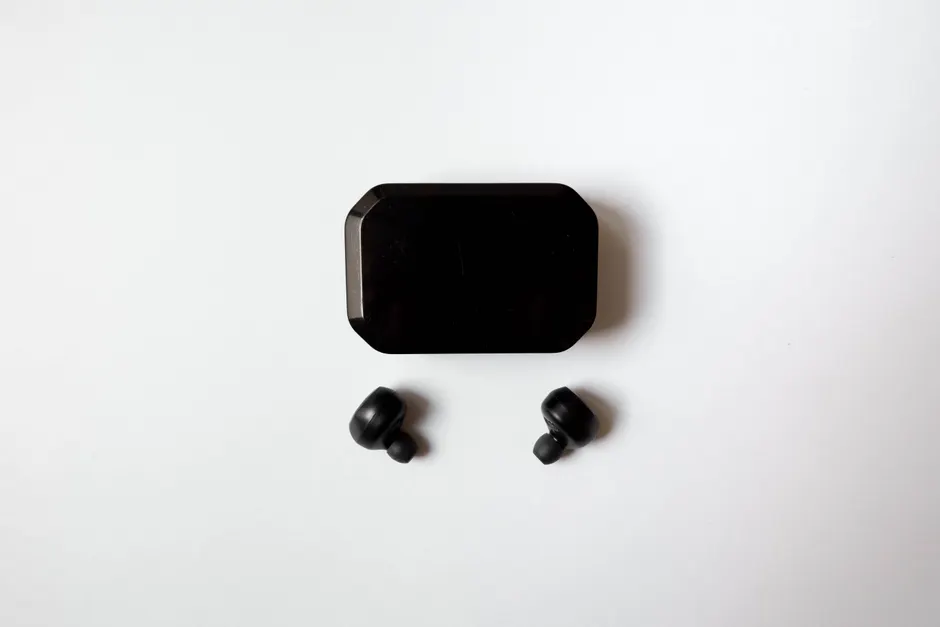
Samsung Galaxy Buds Get FDA-Cleared Hearing Aid Feature

The US Food and Drug Administration has cleared Samsung's hearing aid feature for Galaxy Buds, the company announced on August 11, 2026. The feature will arrive on Galaxy Buds 3 Pro and Galaxy Buds 4 Pro in the US and select other markets later this year, alongside a built-in hearing test tool. Samsung Global Newsroom
Samsung positions the capability as an over-the-counter hearing aid for adults 18 and older with mild to moderate hearing loss. The FDA clearance places it in the same regulatory category that Apple entered when it brought a comparable hearing aid feature to AirPods Pro. Engadget
The hearing test component runs through the Galaxy Buds settings on a compatible Galaxy phone and takes approximately five minutes to complete. Samsung describes the results as medical-grade. For each ear, the test determines whether hearing falls within a normal range or classifies the degree of loss into one of four stages: mild, moderate, severe, or profound. Results are stored in and accessible through the Samsung Health app, which integrates the data into the broader health-tracking ecosystem Samsung has built around its device portfolio. Engadget
Once test results are established, the hearing aid feature uses them to selectively amplify sounds the wearer has difficulty perceiving. The targeting is frequency-specific: whispers, distant voices, and high frequencies receive the most gain, rather than a blanket volume boost across the spectrum. The feature also integrates with existing Galaxy Buds audio capabilities, including active noise elimination and beamforming microphones that focus on audio originating in front of the wearer. That combination is relevant because real-world hearing assistance depends as much on suppressing unwanted sound as on amplifying desired signal. Engadget
Samsung published the announcement through both its US and global newsrooms, framing the feature as bringing "an accessible, over-the-counter hearing aid directly to Galaxy Buds." The dual press releases signal a coordinated global rollout rather than a US-only pilot. Samsung US Newsroom, Samsung Global Newsroom
The broader context here is the convergence of consumer audio hardware and regulated medical-device functionality. When Apple received FDA clearance for the AirPods Pro hearing aid feature, it validated the idea that earbuds already in millions of pockets could serve as entry-level hearing assistance. Samsung's move extends that pattern to the Android ecosystem, which has a far larger global user base but a more fragmented hardware landscape. The restriction to specific Galaxy Buds models and compatible Galaxy phones keeps the initial deployment narrow, but the architecture is clearly designed to scale as future Buds generations ship with the necessary hardware.
The five-minute, phone-based hearing test is worth noting as a distinct piece of the package. Traditional audiometric evaluation requires a sound-treated booth and a clinician. A consumer-grade, medical-claim hearing test that runs through a smartphone interface and delivers staged results in minutes lowers the barrier to initial screening substantially. Whether the results match clinical audiometry in edge cases is a question that will surface once independent reviewers and clinicians assess the tool against established benchmarks.
Samsung has not yet specified an exact release date beyond "later this year," nor has it published a full list of the additional markets beyond the US. The feature's availability on two Buds generations simultaneously, the Buds 3 Pro and the upcoming Buds 4 Pro, suggests Samsung intends to treat hearing assistance as a baseline capability going forward rather than a one-model differentiator.
For the target population, adults with mild to moderate hearing loss, the practical effect is straightforward: a device many already own or would consider purchasing for music and calls can now serve a regulated health function without a separate purchase or clinical visit. That is a meaningful reduction in friction, even if the feature's clinical utility will ultimately be measured against dedicated hearing aids rather than against the absence of any intervention.