FlightAware Sues Kalshi Over Unauthorized Use of Flight Data in Cancellation Prediction Markets
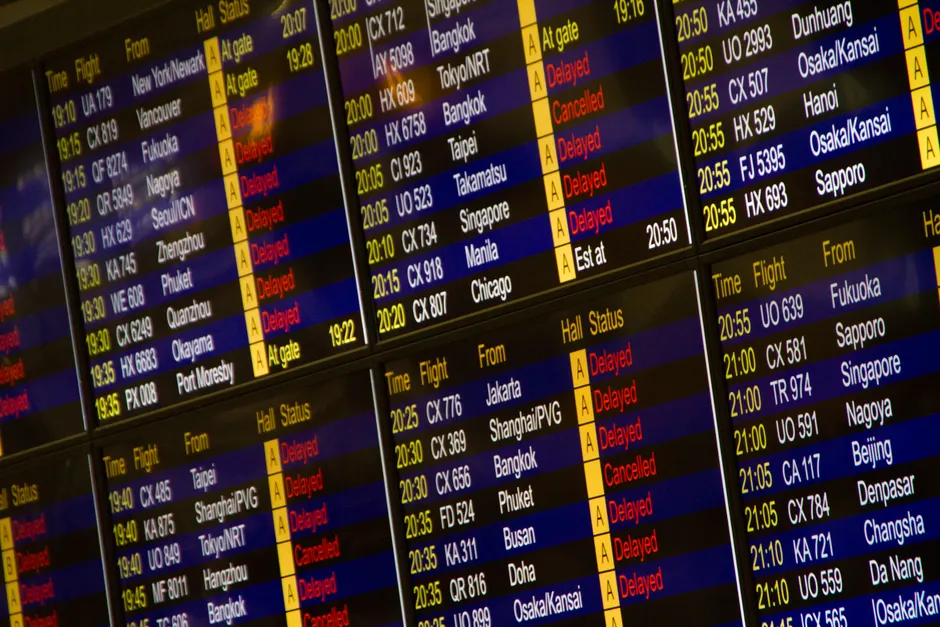
FlightAware has sued prediction market platform Kalshi in the U.S. District Court for the Southern District of New York, alleging that Kalshi used FlightAware's data and trademarks without permission to settle contracts on canceled flights (TechCrunch, CoinDesk).
Kalshi began letting users bet on the number of flights cancelled in the U.S. or at a given airport roughly a month before the lawsuit was reported on August 11, 2026, when Reuters and multiple tech outlets covered the filing (Reuters, TechCrunch).
According to FlightAware's complaint, Kalshi displayed FlightAware's branding and information in connection with these markets even after FlightAware demanded that Kalshi stop. FlightAware also alleged that Kalshi never informed the company it would rely on FlightAware's data to determine the outcome of the betting markets. FlightAware said it did not learn about Kalshi's flight-cancellation bets until media outlets began reporting on the prediction markets (TechCrunch).
The complaint, filed in the Southern District of New York, raises a safety argument alongside the trademark and data-misappropriation claims. FlightAware argued that the flight-cancellation gambling markets could be abused to interfere with flights, posing a safety risk to travelers and airport employees (TechCrunch). The exact mechanism by which such interference might occur is not detailed in the available court documents, but the claim invokes a category of risk that goes beyond commercial harm, suggesting that financial incentives tied to flight cancellations could, in theory, motivate bad actors to disrupt aviation operations.
FlightAware is seeking a jury trial and has not specified a dollar amount in damages (TechCrunch). The complaint is available via the court's docket (court filing).
The dispute sits at the intersection of several live tensions in the prediction-market space. Kalshi operates federally regulated event contracts, and its expansion into flight-cancellation markets represents a familiar pattern: a platform leverages a third party's real-time data feed to create and settle derivative instruments, without a licensing relationship in place. What makes this case distinct is the combination of trademark claims, alleged continued use after a cease-and-desist demand, and the safety argument that ties a consumer-facing betting product to potential physical harm.
The data-misappropriation angle is worth flagging for readers who track platform economics. FlightAware's core business is built on aggregating and distributing real-time flight data; if a prediction market can freely reference that data to settle contracts, it effectively free-rides on FlightAware's infrastructure and data pipeline while simultaneously associating the FlightAware brand with gambling outcomes the company did not authorize. The trademark claim is not incidental here. FlightAware is not merely asserting that Kalshi copied data points; it is alleging that Kalshi displayed the FlightAware name in a context that could imply endorsement or partnership.
The safety argument is the most unusual element. Prediction markets tied to real-world outcomes are not new. Weather events, economic indicators, and election results have all served as underlying references. But flights are a regulated, safety-critical infrastructure, and the argument that a market payout could create perverse incentives for someone to cause or worsen a disruption introduces a dimension that most prediction-market disputes do not touch. Whether a court finds this risk credible enough to weigh in an injunction analysis remains an open question, but it signals that FlightAware is framing the harm in the broadest possible terms.
For prediction-market operators, the case is a reminder that the data sources used to settle contracts carry their own legal and reputational baggage. A market's resolution mechanism is only as clean as the provenance of the data it relies on, and using a branded data provider's name without authorization invites precisely the kind of litigation now on file. For data providers, it underscores that brand and data are coupled assets: unauthorized use of either, in a commercial context the provider did not sanction, is actionable.
The outcome of this case will likely hinge on straightforward trademark and unfair-competition principles rather than any novel regulatory theory. But the safety argument, if the court engages with it, could set a precedent for how prediction markets tied to physical-world infrastructure are evaluated — not just on commercial grounds, but on whether they introduce systemic risk that the underlying infrastructure was never designed to absorb.


