Yulu Raises $93M Series C to Quadruple Its EV Fleet as Quick-Commerce Demand Surges
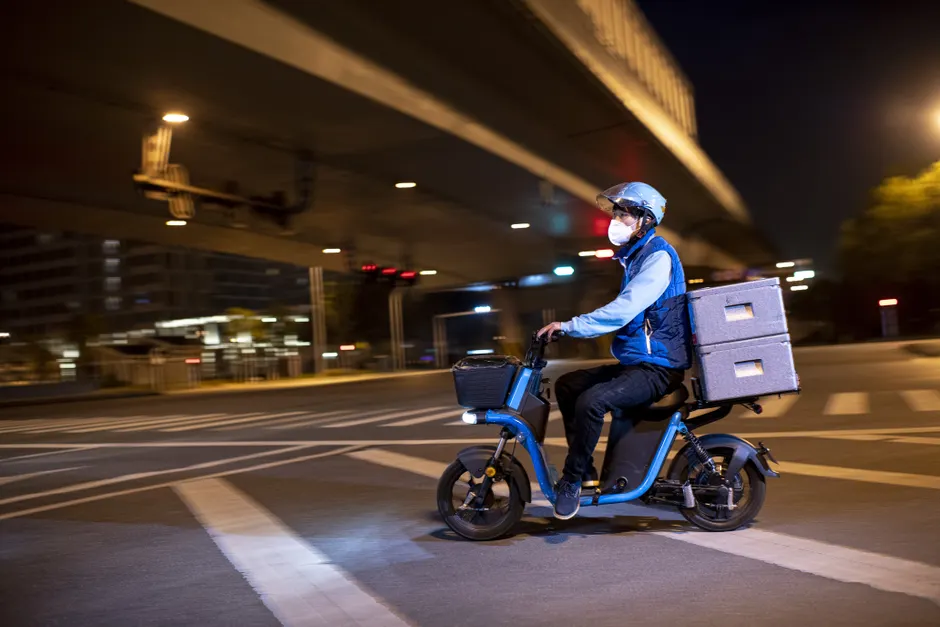
Indian e-mobility startup Yulu has closed a $93 million Series C round, capital it plans to deploy toward a fourfold fleet expansion to 200,000 electric two-wheelers within two years. The round, led by GEF Capital Partners, comprised $63 million in equity and $30 million in debt financing, valuing the Bengaluru-based company at approximately $170 million post-money (TechCrunch).
The financing structure itself carries a signal. About $5.5 million of the equity component went toward buying out seed investors whose funds were approaching end-of-life, a secondary mechanism that clears the cap table ahead of what CEO Amit Gupta expects will be Yulu's final equity raise before a public listing. Future fleet growth is intended to be financed primarily through debt and lease financing, an asset-backed model that aligns with the predictable revenue stream from weekly subscriptions.
Yulu operates roughly 50,000 electric vehicles across 12 Indian cities, logging 1.6 million miles weekly and powering more than 750,000 deliveries per day. The company runs its own operations in Bengaluru, Mumbai, Delhi-NCR, and Hyderabad, with franchise partners in eight additional markets. It aims to reach approximately 20 cities within the next year, with Chennai and Pune named as key expansion targets.
The business model is sharply concentrated. About 95% of Yulu's revenue comes from renting electric bikes to gig workers on weekly subscription plans. The remainder comes from a station-based rental service in Bengaluru. Yulu partners with nearly every major quick-commerce, food-delivery, and e-commerce platform operating in India, including Amazon and Walmart-owned Flipkart.
Founded in 2017 as a consumer bike-sharing startup, Yulu found its strongest traction during the COVID-19 pandemic as food and grocery delivery demand accelerated. The company subsequently dropped a plan to sell bikes directly to consumers, consolidating around the gig-worker subscription model. Revenue grew seven-fold between fiscal 2023 and fiscal 2026. Yulu achieved positive EBITDA in the last financial year and expects to reach profitability before interest and taxes next year.
The Series C round's evolution is worth noting. Earlier reporting from April 2025 indicated Yulu was targeting $75-80 million (Economic Times; Inc42), with some reports citing discussions for up to $100 million. The company had raised $19.25 million in equity from existing investors in February 2024 as an initial tranche (Yulu press release), and a November 2024 blog post indicated plans for a $100 million Series C to put 100,000 EVs on the road (Yulu blog). The final $93 million figure landed within that range, though the 100,000-vehicle interim target has been superseded by the 200,000-vehicle goal.
A significant portion of the new capital will go toward a new vehicle category. Yulu is introducing the Yulu Express, a full-sized, higher-speed electric scooter designed for longer-haul e-commerce deliveries, bike taxis, and express parcel services. About a third of the planned 200,000-vehicle fleet will be Yulu Express units. Yulu's existing low-speed fleet is manufactured by Bajaj Auto, while the new high-speed scooter comes from a different, unnamed Indian manufacturer. Approximately 500 Yulu Express bikes are already operating in Bengaluru, with trials underway in three additional cities.
Two existing investors, Bajaj Auto and Magna International, chose not to participate in the Series C after waiving their pre-emptive rights. Magna had led Yulu's previous major round, an $82 million equity raise in September 2022 (Yulu press release). GEF Capital Partners steps in as the new lead, bringing a different investor base into a company whose co-founder and CTO Naveen Dachuri has been scaling hardware operations alongside manufacturing partner Bajaj.
The broader context here is the structural shift in Indian urban logistics. Quick-commerce platforms promising 10-30 minute delivery windows have created sustained, high-utilization demand for low-cost, electric two-wheeler infrastructure. Yulu's model effectively converts a capital expenditure problem for gig workers (buying an e-bike) into an operating expense (a weekly subscription), while absorbing the battery-swap and maintenance complexity. At a 35-40% penetration rate in the urban markets it serves, with a stated ambition to reach 60-70% of India's last-mile delivery demand, Yulu is operating from a position of demonstrated market fit rather than speculative growth.
The path to a public listing is not without execution risk. Scaling from 50,000 to 200,000 vehicles in 24 months requires manufacturing throughput, battery-swap infrastructure density, and fleet utilization rates that hold up across new, less-proven markets. The shift to debt and lease financing for future expansion is financially logical given the asset-backed nature of the business, but it introduces balance-sheet leverage that compounds quickly if utilization dips in a downturn. That said, Yulu has already demonstrated unit-economics discipline: positive EBITDA, seven-fold revenue growth in three years, and a clear revenue concentration in a segment with durable demand. The company's bet is that quick-commerce is not a fad but a structural feature of Indian urban consumption. The $93 million will test that thesis at scale.


