Google's Pixel Buds Pro 2 and 2a Get Deeper Gemini Integration, Dynamic ANC, and Pixel Watch Sync
Google used its Made by Google event on August 12, 2026 to announce a software update bundle for the Pixel Buds Pro 2 and Pixel Buds 2a, headlined by deeper Gemini integration that lets the assistant adjust volume and change EQ settings on voice command. The updates are scheduled to roll out in September. Engadget
For the Pixel Buds Pro 2, the most technically interesting addition is dynamic ANC. The feature compensates in real time when the earbud seal shifts subtly, a common failure mode for in-ear designs during movement or jaw motion. Rather than relying on a static noise-cancellation profile, the system detects seal degradation and adjusts accordingly. The Pro 2 hardware is already built around Google's Tensor A1 chip, which Google says cancels twice the noise of the prior generation, and the Pro 2 ships with a twist-to-adjust mechanism for toggling between a relaxed and a more secure fit. The new dynamic ANC layer operates on top of that physical adjustability. Engadget
Both the Pro 2 and the 2a will gain deeper Gemini integration. Beyond volume and EQ control, the chatbot functions as an active intermediary between the user and the earbuds' audio pipeline. Google's pitch is that common adjustments, the kind a user might otherwise fumble through a phone app to make, can be handled conversationally. Engadget
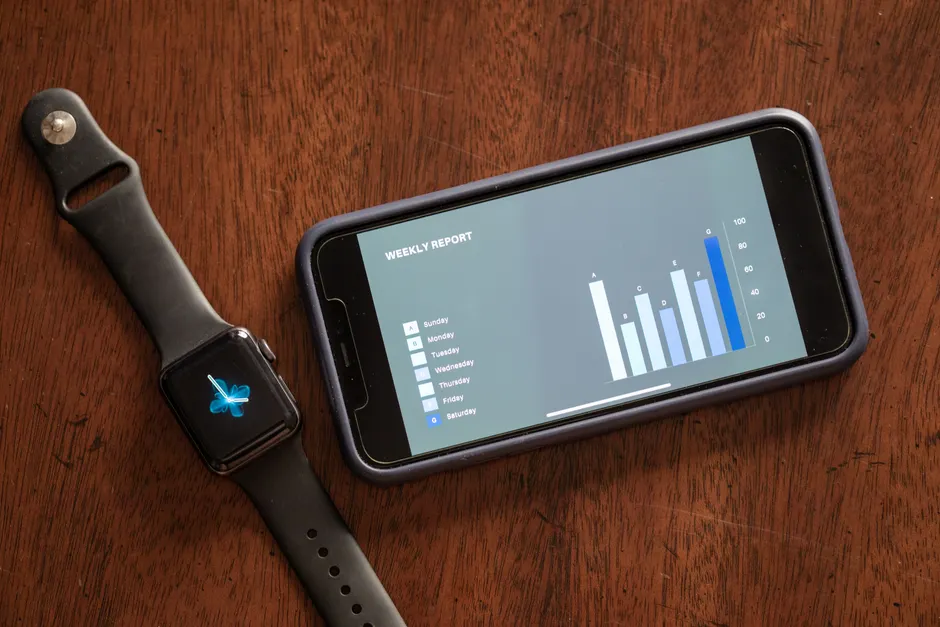
A cross-device sync feature pairs the earbuds with the Pixel Watch. When the watch detects that the user has fallen asleep, it pauses music automatically and disables notifications. This is a practical integration: sleep detection on the wrist triggers a state change on the earbuds without user intervention. For anyone who listens to audio while falling asleep, the automation removes the familiar scenario of waking to a drained battery and a playback queue that ran all night. Engadget
The live translate feature has been expanded to support over 70 languages, triggered by tapping the earbuds. This applies to both the Pro 2 and the 2a. Google had previously showcased an AI feature that minimizes background noise for its Pixel Buds at an earlier Made by Google event in August 2025, and the translation expansion builds on that same on-device AI processing foundation. Engadget TechCrunch
The Pixel Buds 2a, which launched in August 2025, were the first A-series buds to offer active noise cancellation. They are powered by the same Tensor A1 chip as the Pro 2. Battery life on the 2a runs to 12 hours of earbud listening time and up to 48 hours total with the charging case. The Pro 2 offers up to 30 hours of total listening time with its case. Google Blog Google Store Google Store
Google also introduced a new olive-green color option for the Pixel Buds Pro 2, with preorders open at announcement time. Engadget
What stands out across these updates is the degree to which Google is treating earbuds as a Gemini surface area rather than a standalone audio peripheral. Volume and EQ control via natural language is not technologically radical. The significance is architectural: the earbuds become a node in a multi-device system where the watch handles sleep-state detection, the phone or cloud handles translation, and Gemini serves as the orchestration layer. Apple's AirPods ecosystem has long emphasized seamless device handoff and contextual awareness. Google's approach here is more explicitly agent-driven, with Gemini making changes to audio settings that would previously have required manual interaction.
The dynamic ANC feature is the one to watch from an engineering standpoint. Adaptive noise cancellation that responds to seal changes is not new in the category, but the quality of the real-time compensation varies widely across implementations. How quickly the Tensor A1 chip can detect and correct for seal shifts, and whether the correction is perceptually smooth or introduces audible artifacts, will determine whether the feature is genuinely useful or a marketing bullet point. The September rollout will provide the answer.
The deeper integration story also raises a familiar question about latency and reliability. Voice-activated EQ changes depend on Gemini processing the command, interpreting intent, and applying the change with low enough latency that the interaction feels responsive. If the round-trip is too slow, users will default back to manual controls. Google's decision to route this through Gemini rather than a simpler local command parser suggests the company is betting that the flexibility of natural-language control outweighs the latency cost.
The 70-language live translate expansion is a meaningful capability bump, and the tap-to-trigger mechanism keeps the interaction lightweight. Combined with the background noise minimization that Google showcased last year, the translation pipeline is shaping into one of the more practically useful on-device AI features in the earbuds space.
For now, the updates are announced and scheduled for September. The hardware is already in the field; these are software-driven improvements to existing products. That is worth noting: Google is extending the value of devices customers already own through software, rather than gating these features behind a new hardware revision.