Petlibro Cloud Outage Left Smart Pet Feeders, Fountains, and Litter Boxes Non-Functional
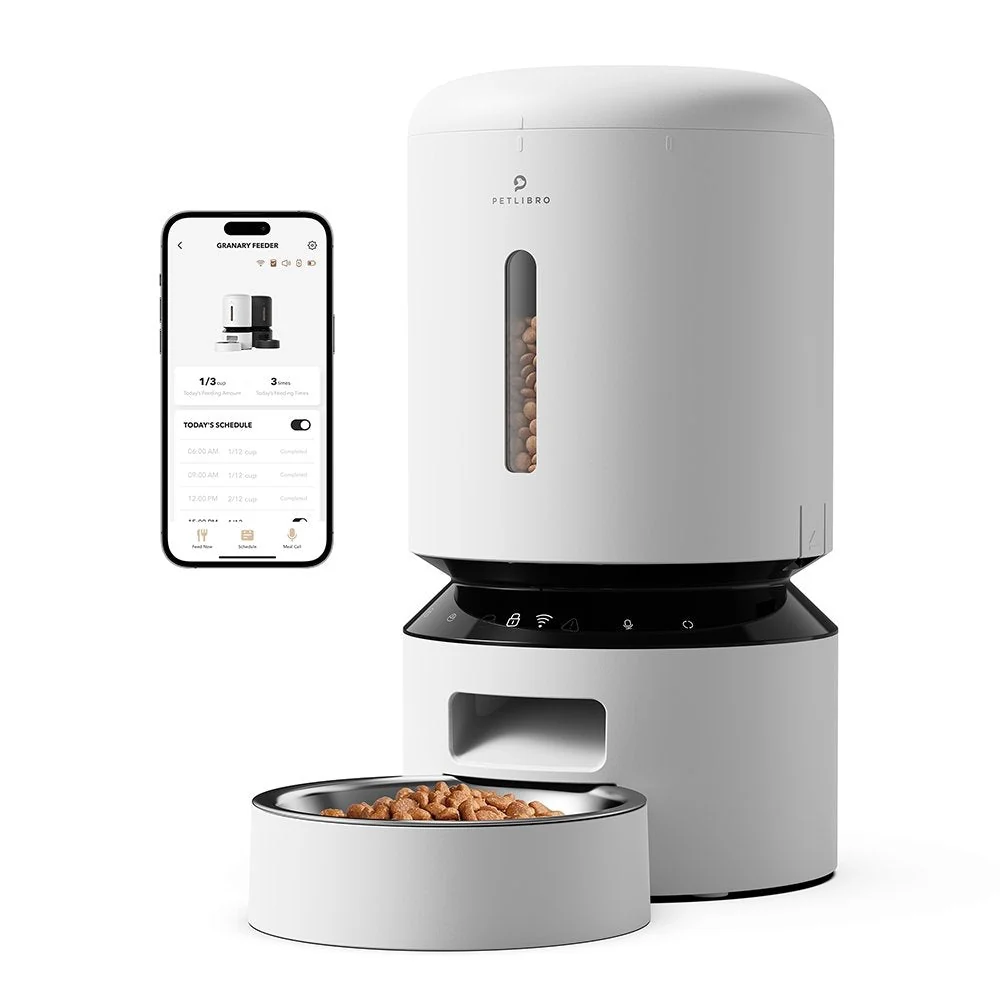
A Petlibro service outage that began Tuesday, August 11, 2026 knocked smart pet feeders, water fountains, and litter boxes offline, preventing devices from performing scheduled tasks such as dispensing food and cleaning. The company said on Wednesday at 2:30PM ET that much of its service had been restored, though some users were still experiencing reconnection issues. The Verge
During the outage, users reported that RFID and Granary food dispensers missed scheduled feedings, Dockstream smart fountains stopped pumping water, and Luma litter boxes stopped performing cleanings. The Petlibro app was also not working properly for some users. The Verge
Petlibro's own product documentation repeatedly asserts that feeding schedules are stored locally and continue to operate when the device loses connectivity. The Granary 2 Series product page states that if the feeder goes offline, remote control through the app will be unavailable but feeding schedules will continue to run automatically. The pre-sale page for the Granary Smart Feeder (AF103/PLAF103) similarly states that the feeder still feeds as scheduled even when the app is not available, and that meal schedules are carried out normally after the feeder comes back online. Granary Smart Feeder product pages also cite a USB adapter and battery backup designed to keep feeding going during a power outage.
Users reported that this local-execution guarantee did not hold during the outage, though the specific technical reason for the failure has not been disclosed. Petlibro said on Tuesday that it was experiencing a service issue affecting some app functions and that its team was actively restoring service in stages. The Verge reached out to Petlibro for more information but did not immediately hear back. The Verge
Petlibro's support documentation across multiple products points to a recurring pattern of offline and connectivity complaints that predate this incident. The Granary Smart Feeder (AF103/PLAF103) support page for "Status Unknown" errors attributes them to network stability during scheduled feedings and recommends unplugging the feeder. A separate Granary support page addressing frequent disconnections recommends checking the power cable, adapter, and outlet. The Air Smart Feeder (AF108/PLAF108) connection-issues page advises resetting the router, repositioning the feeder, and performing a factory reset. The Space Smart Feeder (AF107/PLAF107) page for "Device Going Offline" instructs users to unplug, reconnect, and hold the reset button for five seconds until the device prompts "reset successfully."
After the Wednesday restoration announcement, some users said their devices had started working again, while others were still having issues reconnecting their devices to the Petlibro app. The Verge
The incident highlights a well-known architectural tension in the smart-home space. Petlibro's product lineup spans feeders (Granary, Air, Space, One RFID, Polar wet food), water fountains (Dockstream 2), litter boxes (Luma), and monitoring cameras (Scout). The company markets these devices as reliable enough to care for pets autonomously, with local schedule execution as a key selling point. When a cloud-side dependency can override that local execution, the distinction between "smart" and "dependable" narrows in ways that matter to users who depend on the hardware for animal welfare rather than convenience.
In this author's view, the gap between Petlibro's documented claim that schedules run locally and the user-reported reality that they did not during this outage is the most consequential detail here. If the local-execution promise holds under normal connectivity loss but fails under specific cloud-side conditions, that is an architecture question, not a support-ticket question. Petlibro has not publicly explained why locally stored schedules failed to execute, and absent that explanation, users are left to weigh the company's assurances against observed behavior.
The broader context for anyone evaluating cloud-dependent pet care hardware is straightforward: the failure mode here is not degraded remote control. It is missed feedings, dry water fountains, and uncleaned litter boxes for animals that cannot self-serve alternatives. Battery backups and local schedule storage are necessary but apparently not sufficient guarantees when the cloud layer is the single point of coordination. Petlibro's staged restoration and the lingering reconnection problems suggest the dependency runs deeper than a brief API timeout.
For now, Petlibro has not disclosed the root cause, the number of affected devices, or whether a firmware or software update will be required to prevent recurrence. The company's support pages remain focused on user-side troubleshooting rather than acknowledging a systemic event. Users relying on Petlibro hardware for scheduled feeding, hydration, and litter management will need to decide whether the company's local-execution claims are sufficient grounds for continued trust, or whether manual backup feeding remains a necessary complement to any cloud-connected pet care device.