July 2026 CPI Cools to 3.4% Year-over-Year as Gold Reclaims 100-Day MA
The U.S. Bureau of Labor Statistics reported on August 12, 2026 that the Consumer Price Index for All Urban Consumers (CPI-U) rose 0.1 percent on a seasonally adjusted basis in July, a sharp deceleration from June's 0.4 percent decline. The all-items index increased 3.4 percent for the 12 months ending July 2026, down from 3.5 percent for the 12 months ending June (BLS).
Shelter costs rose in July, contributing to the positive monthly headline print even as the overall index remained subdued (BLS). The month-over-month swing from June's contraction to July's modest increase places shelter as the primary stickiness factor in the services basket, a dynamic that matters for how Federal Reserve officials read the persistence of underlying inflation.
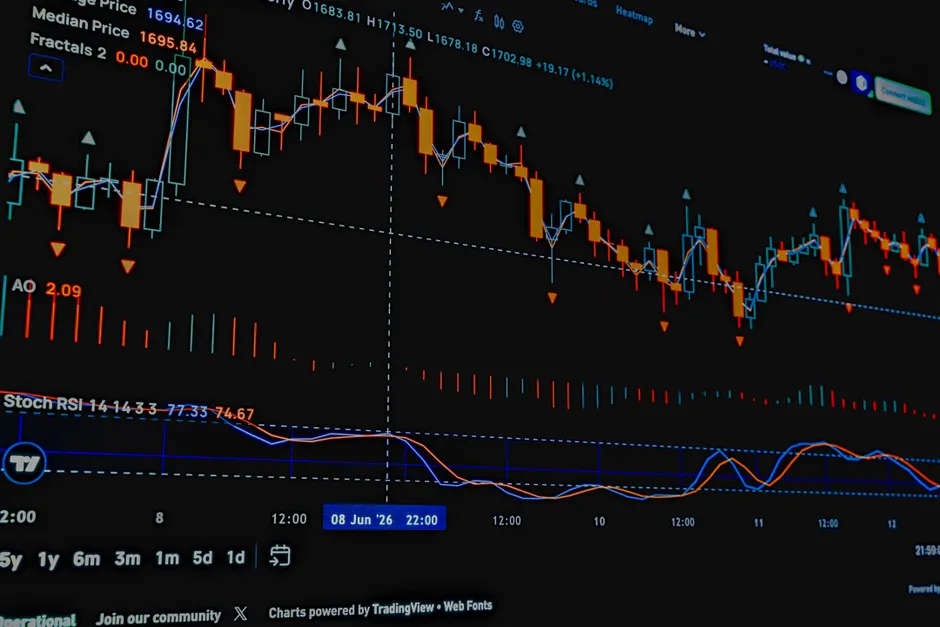
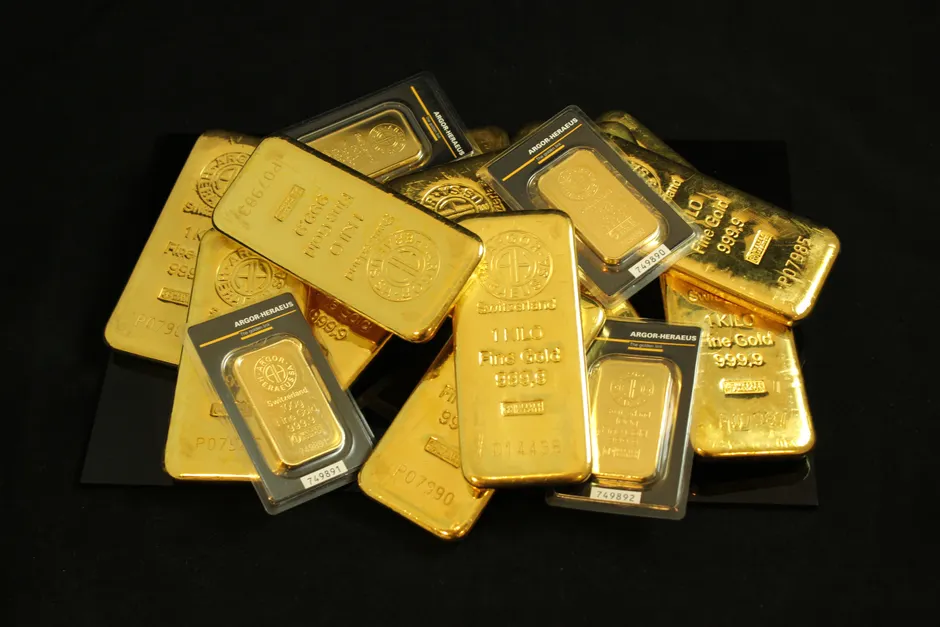
Gold's reaction was immediate. Spot gold rose 0.9 percent to $4,406.64 per ounce by 1:30 p.m. EDT on August 12, climbing above its 100-day moving average as the softer inflation data dampened market expectations for further rate hikes (Reuters). The prior session told a different story: gold spot had fallen 0.3 percent to $4,376.31 by 1:50 p.m. EDT on August 11 as markets braced for the release (Energy News).
The inflation print's effect on rate-hike pricing is best read against gold's recent trajectory. In late June, spot gold dropped 0.2 percent to $4,008.94 an ounce, with prices down 11.3 percent on the month and gold set for its worst quarterly loss in 13 years on a hawkish Fed stance. U.S. gold futures for August delivery dipped 0.4 percent to $4,022.70 the same session (CNBC). The move from sub-$4,010 spot in late June to above $4,400 on August 12 frames the extent to which the July CPI release shifted rate expectations. A 0.1 percent monthly headline, coming off a negative June print, gives the FOMC room to hold rather than tighten, and the gold market repriced accordingly.
For fixed-income and rates desks, the year-over-year deceleration from 3.5 to 3.4 percent is incremental rather than transformative. The series has not broken below 3 percent, and shelter's continued contribution to monthly increases means the supercore services component remains sticky. The data point is consistent with a disinflationary trajectory that has lost momentum, not one that is accelerating. Powell's committee has cover to pause, but the year-over-year figure still sits above the 2 percent target by a meaningful margin.
The next CPI release is scheduled for Friday, September 11, 2026, at 8:30 a.m. ET, covering the August 2026 reporting period (M08) (BLS). That release will be the final CPI print before the FOMC's September 16-17 meeting, assuming the standard schedule holds, making it a critical input for any September rate decision.
For ordinary investors, the practical takeaway is straightforward. The disinflation trend that began in mid-2026 is intact but slow. Borrowers hoping for rate cuts should not price in a pivot based on one soft print; the year-over-year figure at 3.4 percent remains elevated by historical standards. For those holding gold or gold-linked assets, the reclaim of the 100-day moving average is technically meaningful, but the metal's volatility over the past quarter, an 11.3 percent monthly drawdown in June followed by a sharp August rebound, underscores that this trade is being driven by Fed expectation shifts rather than durable demand fundamentals.