Colombia Earthquake: Death Toll Reaches 265 as Rescue Efforts Enter Final Phase
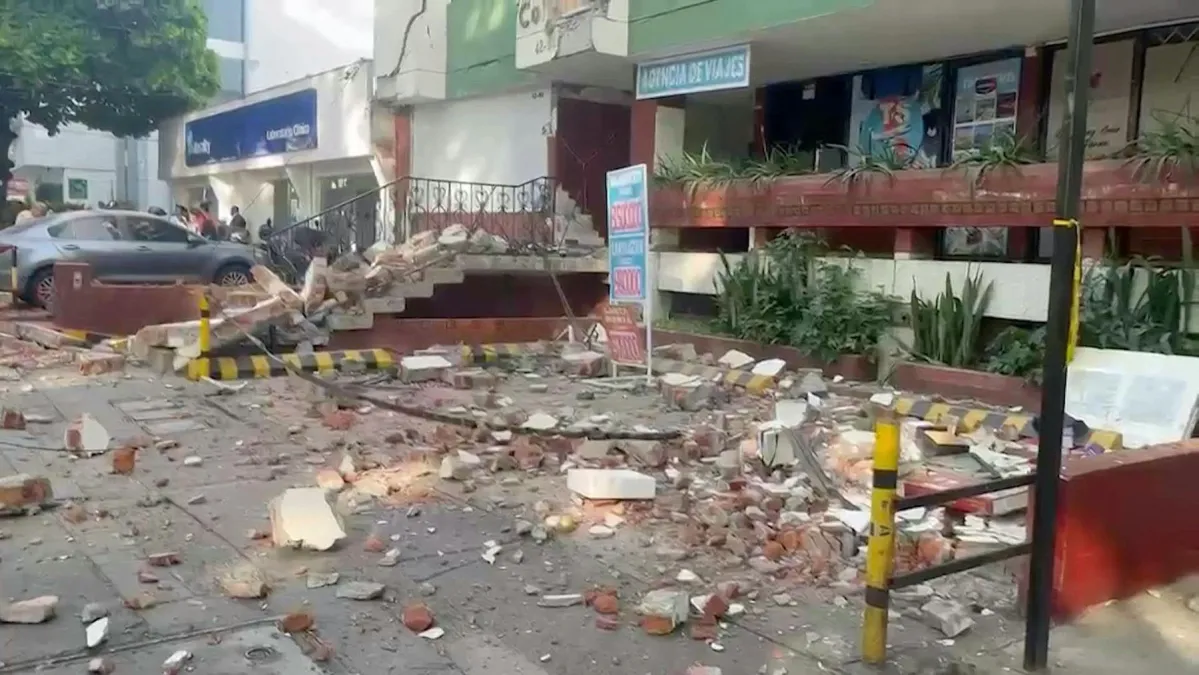
Rescue efforts in western Colombia entered what local officials called their "final phase" on August 13, as the death toll from the magnitude 7.4 earthquake rose to 265, with more than 3,500 people wounded. The quake, the strongest to strike Colombia this century, has left nearly 500 people unaccounted for and destroyed more than 9,550 homes, according to local authorities. The disaster lands just three days into the presidency of Abelardo de La Espriella, who was inaugurated on a platform of fiscal restraint and tougher security.
The hardest-hit cities were Pereira, in Colombia's coffee region, which recorded 83 deaths, and Cali, the country's third-largest city, which reported 74. Cali Mayor Alejandro Eder said on Wednesday that rescue operations were transitioning to their closing stage, even as pockets of potential survival persisted. In Pereira, rescuers using vibration-detecting equipment detected possible signs of life from Pablo Loaiza, a street vendor who had been trapped beneath a collapsed bakery since the earthquake struck.
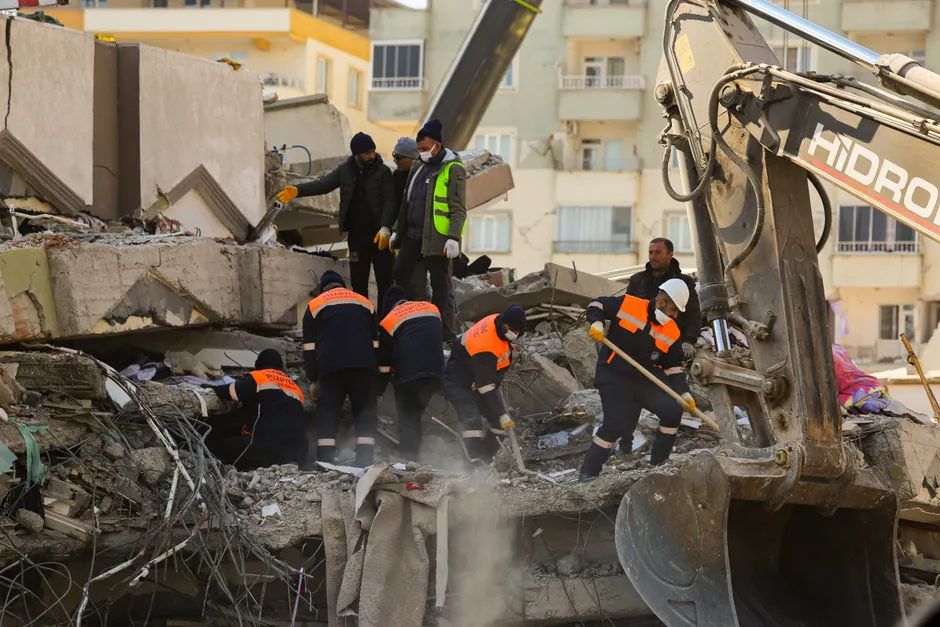
At the Torres del Limonar complex in southern Cali, residents formed bucket brigades alongside soldiers and municipal employees to clear rubble by hand. The imagery of manual debris removal underscores the scale of structural collapse in densely populated urban zones, where heavy machinery has limited access and collapsed buildings compound search difficulty.
President de La Espriella promised to establish an emergency fund dedicated to rebuilding hospitals, schools, homes, and infrastructure destroyed by the earthquake. He also declared an economic emergency to address the damage, though he did not specify what concrete measures the declaration would entail. Both the fund and the emergency declaration remain, at this stage, announcements of intent rather than disbursed resources.
The fiscal dimension is where this disaster intersects most sharply with Colombia's political trajectory. De La Espriella won a narrow victory over the candidate of the prior leftist government, campaigning on reduced public spending and a harder security line. ACLED senior analyst Tiziano Breda noted that the earthquake constitutes the first test for the new president, who ran on a platform that included cutting public finances, among them defunding the state's risk management unit, the agency now at the forefront of the emergency response.
The tension is structural rather than incidental. A government elected on a mandate to curtail public spending now faces a reconstruction effort spanning hospitals, schools, and housing across multiple major cities, with an agency the president's own platform sought to weaken serving as the primary institutional responder. How de La Espriella reconciles his fiscal commitments with the demands of large-scale disaster reconstruction will shape not only the recovery trajectory but also the early political credibility of his administration.
On the international humanitarian front, Direct Relief mobilized medical aid in response to the earthquake, beginning its operations on August 11. The organization's deployment adds to the emergency response capacity on the ground as Colombia's national disaster infrastructure is tested under sustained pressure.
The death toll of 265, combined with the nearly 500 still missing, suggests the final figure is likely to climb as the "final phase" of rescue transitions into recovery. The destruction of over 9,550 homes, concentrated in urban centers like Pereira and Cali, will require a reconstruction effort that extends well beyond immediate emergency response. The emergency fund and economic emergency declaration, once specified in operational terms, will signal whether Colombia's new government intends to sustain or recalibrate its fiscal posture in the face of a disaster that has already surpassed any seismic event the country has experienced in over two decades.
The near-simultaneous arrival of a new administration and a once-in-a-generation seismic event means that Colombia's disaster management architecture is being assessed not only for its operational competence but also for its political durability under a government whose founding mandate pointed in the opposite direction from the spending this crisis demands.