Farage Heads to Polls in Clacton Byelection Amid Donations Scrutiny and Satirical Challenger
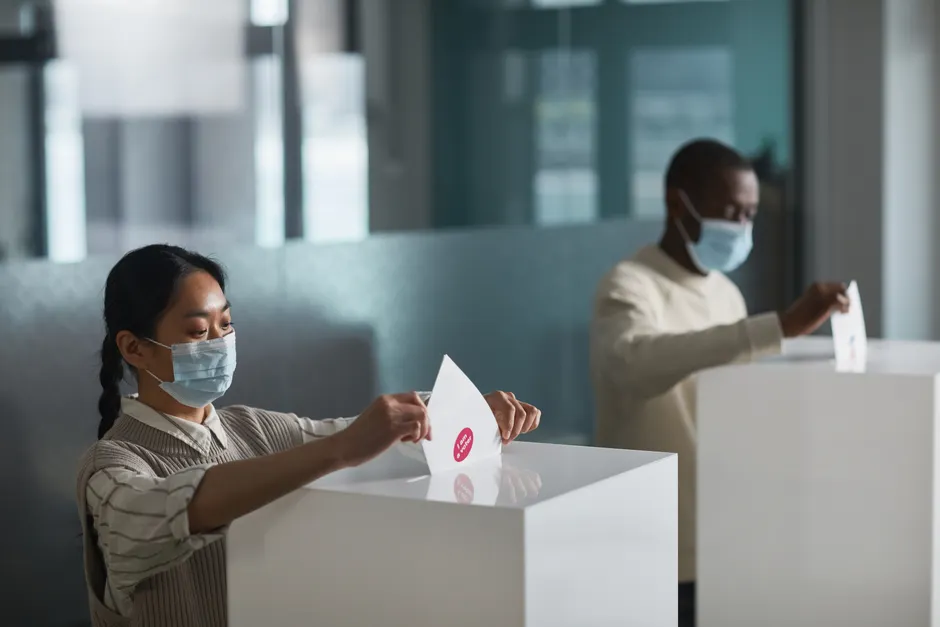
Polls opened in the Clacton constituency byelection on 13 August 2026, with Reform UK leader Nigel Farage widely projected to retain the seat he won at the preceding general election with 46.2 per cent of the vote (The Independent). A pre-election poll projected more than 70 percent of voters would back Farage in the contest (Al Jazeera).
The byelection was triggered by a recall petition, the mechanism by which a sitting MP loses their seat if at least 10 per cent of eligible voters in the constituency sign (Electoral Commission). Farage's most prominent opponent on the ballot is Count Binface, a satirical candidate who campaigns dressed as a dustbin (The Guardian).
Behind the lopsided headline numbers, Farage's campaign deployed a sophisticated digital operation. According to a Politico analysis, Reform UK spent more than £10,000 on social media advertising during the campaign, with the entire sum pushed through Meta's platforms, including Facebook and Instagram. Farage was the only candidate in the contest using paid Meta features to amplify his online presence (The Guardian).
The spending breaks down into several distinct streams. The largest single sum, between £4,000 and £4,500, funded an almost five-minute campaign video in which Farage discussed his connection with local constituents and claimed the powers-that-be used "foul means" to hamper him. Around £1,000 went on videos urging supporters to request an "I'm with Nigel" garden sign delivered and installed by the party. Approximately £500 paid for ads asking voters to return postal votes and "send a message to the establishment" (The Guardian).
This twin-track digital strategy served two purposes simultaneously. One track painted Farage as a champion for local residents, focused on constituency-level concerns. The other positioned him as an insurgent leader harried by the establishment, framing institutional resistance as evidence of his outsider credibility (The Guardian).
The satirical dimension of the race warrants attention. Count Binface's candidacy, while not a serious electoral threat to Farage, became significant enough in campaign calculus that Reform UK directed substantial paid advertising toward countering it. The £10,000-plus Meta spend was described as partly designed to see off the threat from the joke candidate, a measure of how seriously Farage's team took the potential for protest votes to erode his margin.
More consequential than the satirical challenge are the financial allegations hanging over Farage. He faces allegations of failure to properly declare donations, including a £5 million gift from a cryptocurrency billionaire. The byelection itself has been described as essentially pointless in one analysis, on the grounds that it would postpone rather than resolve the verdict on those financial sleaze allegations (The Guardian).
The broader context here is the interplay between electoral legitimacy and ongoing scrutiny. A decisive Farage victory would provide a fresh popular mandate from Clacton voters, but it would carry no weight in resolving the donation-declaration allegations, which fall under regulatory and potentially parliamentary processes rather than electoral ones. The recall mechanism that triggered this byelection was designed precisely for situations where an MP's fitness to serve is questioned between general elections; its deployment here underscores the tension between voter verdicts and institutional accountability.
The scale of Farage's digital spending also illuminates the modern byelection landscape. In a seat where polling suggests a comfortable win, the decision to invest five-figure sums in Meta advertising reveals either an abundance of caution or a desire to run up the score. The absence of any other candidate using paid Meta features means the digital battlefield was effectively uncontested, raising questions about what the spending was calibrated to achieve beyond raw vote share.
The result, when declared, will settle the immediate question of who represents Clacton. It will not settle the larger questions about donation transparency that prompted the recall in the first place.


