US-Iran War Termination MoU Set to Expire August 17 With Neither Side Willing to Extend

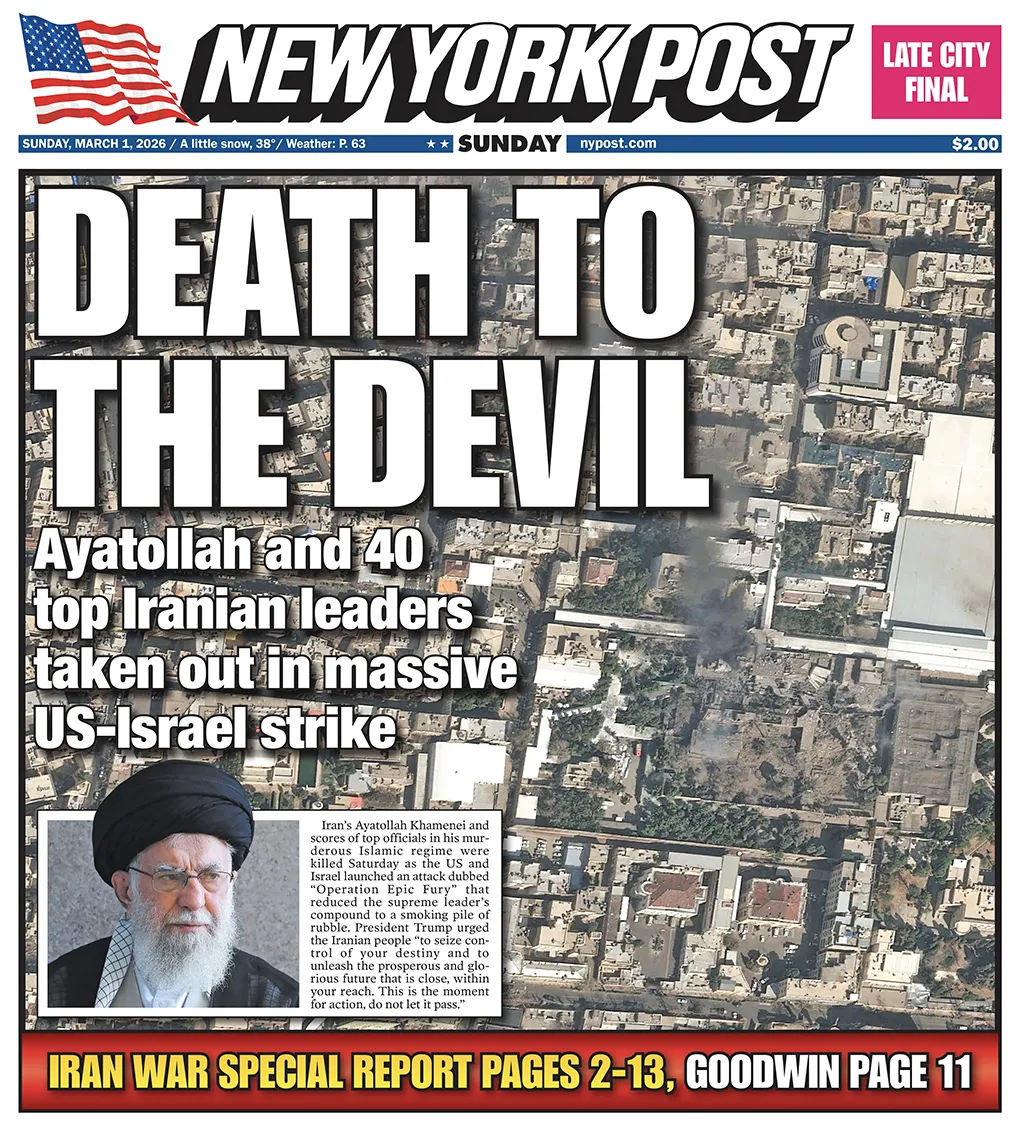
The US-Iran Memorandum of Understanding aimed at ending fighting between the two countries is set to expire on Monday, August 17, 2026, with little sign either side is willing to extend it Al Jazeera. Iranian Foreign Minister Abbas Araghchi said on August 15 that Iran had not yet made a decision to restart negotiations with the United States. Mediators from Qatar and Pakistan have continued exchanging messages with Tehran regarding the agreement, but no breakthrough has been signaled.
The MoU was signed digitally on June 17, 2026 by US President Donald Trump and Iranian President Masoud Pezeshkian, following rare high-level talks hosted by Pakistan Al Jazeera. It was intended to end more than three months of war that had killed thousands and crippled commercial movement in the Gulf, particularly oil and gas exports. The agreement declared the immediate and permanent termination of military operations, with a final deal to be reached within a maximum of 60 days and endorsed by the UN Security Council. The 60-day window was extendable by mutual consent.
The terms were expansive. Under the MoU, the US was to end its naval blockade within 30 days, remove its forces from near Iran after a final deal was reached, and begin a reconstruction and development package for Iran of at least $300 billion. Washington also agreed to terminate sanctions against Iran, issue waivers for Iranian oil exports, and allow Tehran to access frozen funds. On the Iranian side, Tehran was to clear mines from the Strait of Hormuz and allow ships to pass with no charge for 60 days. Iran also reaffirmed it would not seek nuclear weapons and would negotiate on issues such as enrichment Al Jazeera. A senior Iranian official had indicated that pending a final agreement, Iran would freeze its nuclear activity and refrain from further uranium enrichment Reuters. The MoU, however, did not include a specific number of years during which Iran could not develop nuclear weapons US State Department.
The agreement also committed both sides to an immediate and permanent cessation of hostilities, including on the Lebanese front Al Jazeera Centre for Studies. At the June 2026 ministerial meeting of the United States and the Gulf Cooperation Council, ministers welcomed the MoU's signing and recognized its importance US State Department.
The agreement began fraying almost immediately. The US and Iranian versions of the text differed slightly, and much of the post-signing dispute centered on whether it constituted a ceasefire or a more permanent agreement, and what each side was obligated to do. By June 27, Trump called Iranian strikes in the region a "foolish violation" of the MoU, while Iran said US strikes violated Article 1 of the memorandum Al Jazeera. The Iranian Foreign Ministry strongly condemned US airstrikes carried out that same evening, describing them as a flagrant violation of the war-termination MoU Iranian MFA.
An Iranian source told Reuters that the United States violated the interim agreement 48 hours after it was reached and withdrew from it a few days later Reuters. On July 7, Trump said the agreement was "over," and the US continued launching attacks on Iran, including on what Tehran called civilian infrastructure, killing at least 50 people Al Jazeera. Iran officially suspended its commitments under the MoU, stating that Washington had "violated and suspended" all of its commitments and that Tehran had likewise suspended its own Iranian MFA, Hong Kong. The Iranian Foreign Ministry has referred to the agreement as the "Memorandum of Understanding on the Termination of War" Iranian MFA, Colombo.
Meanwhile, the Strait of Hormuz remains a flashpoint. Despite the MoU, the US State Department assessed that Iran continued to threaten freedom of navigation in the strait, including through attacks US State Department. On August 14, Trump told supporters in New York that the US would soon claim the Strait of Hormuz for itself Al Jazeera. Separately, Iran was working on an agreement with Oman to establish new shipping routes for the strait, though that arrangement is conditional on a political solution being reached.
Looking at what this means for the region, the expiration of the MoU closes a chapter that was effectively dead within weeks of its signing. The June 17 agreement was notable not only for the breadth of its commitments but for the unprecedented framework it established: a US pledge of at least $300 billion in reconstruction, sanctions relief, and Iranian nuclear concessions, all tied to a UN Security Council endorsement that never materialized. The 60-day window built into the MoU was designed to produce a comprehensive final deal. Instead, mutual accusations of violation began within 48 hours, and both sides had formally suspended their commitments by mid-July.
The broader context here is that the Gulf security architecture remains dangerously unstable. The MoU's collapse has left the Strait of Hormuz without even the nominal framework the agreement provided. Trump's August 14 declaration that the US would "claim the Strait of Hormuz for itself" signals a potential unilateral posture that would directly challenge Iran's long-standing position on the waterway. Iran's parallel negotiation with Oman on alternative shipping routes suggests Tehran is hedging against the MoU's failure rather than preparing to re-engage with Washington. The Qatari and Pakistani mediation channels remain active but, by Araghchi's own admission on August 15, have not produced an Iranian decision to resume talks. With no extension in sight and the 60-day clause expiring alongside the core MoU, the diplomatic track has effectively run out of road.
Several threads define what may come next. The first is whether either side chooses to escalate militarily in the absence of even a suspended agreement. The second is whether the Omani channel on Strait of Hormuz shipping routes can survive without a broader political settlement. The third is the status of Iran's nuclear commitments. Iran had pledged to freeze enrichment pending a final deal; with the MoU expiring, that undertaking has no clear legal anchor. The absence of a specified duration for the non-proliferation commitment was already a vulnerability, and it becomes more acute now that the overarching framework has lapsed.