Nepal Flash Flood Kills at Least 359 as Rescuers Comb Himalayan Valleys

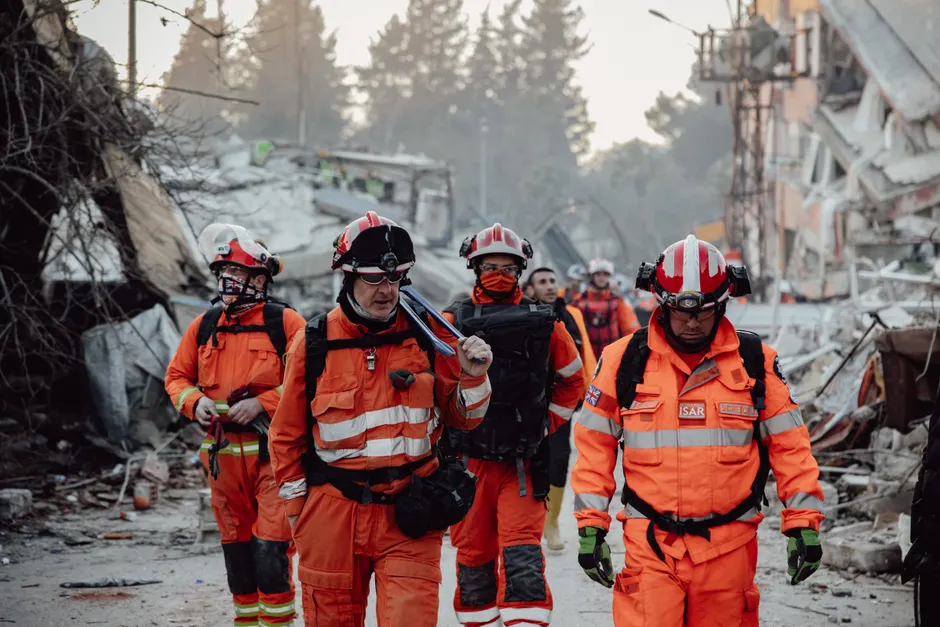
A flash flood tore through Nepal on August 26, 2026, killing at least 359 people and leaving nearly 1,000 missing, according to Reuters. By the following day, rescue teams were searching Himalayan valleys and hillsides for survivors across a disaster zone whose full dimensions remained uncertain.
The casualty figures escalated rapidly over the first 24 hours. As of 11 UTC on August 26, the flood had left at least 300 dead and over 900 missing, EarthSky reported. By August 27, Reuters had raised the death toll to at least 359 with nearly 1,000 unaccounted for. A second Reuters live update referenced nearly 1,500 missing, including tourists, though the higher figure may reflect an evolving count as authorities consolidated reports from affected districts.
Experts cited by Reuters said a glacier collapse may have triggered the flood. A glacial collapse can release enormous volumes of impounded water in minutes, sending a wall of debris-laden flow downstream with little warning. The mechanism is consistent with the speed and severity of the August 26 event, though a definitive causal determination will require on-site geological assessment once access permits.
Nepal and China both warned of fresh flood risks on August 26, with glacial lakes threatening to burst in the aftermath of the initial event, according to Reuters. The cross-border dimension is significant: glacial lake outburst floods (GLOFs) and landslide dam outburst floods do not respect national boundaries, and a secondary failure upstream in the Himalayan chain could compound the destruction already witnessed in Nepal's downstream valleys.
Nepal's Department of Hydrology and Meteorology (DHM) has documented that landslide dam outburst floods may cause extensive damage in downstream areas, a hazard intrinsic to the country's steep, tectonically active terrain. The same agency notes that rainfall intensity exceeding 100 mm in 24 hours is frequent in many parts of Nepal, a climatological baseline that compounds the risk of slope failure and debris-flow initiation during monsoon-period storms. When intense rainfall coincides with destabilized glacial or landslide-dammed features, the cascading effects can be lethal and rapid.
The August 26 flood fits a broader pattern of high-altitude hydrological hazards that Himalayan states have flagged for years. Glacial lake outburst floods occur when naturally dammed glacial water bodies breach their retaining moraines, releasing catastrophic discharges. Landslide dam outburst floods follow a similar logic: a debris avalanche blocks a river channel, impounds water, and then fails under hydrostatic pressure or overtopping. Both mechanisms can generate peak discharges far exceeding monsoon flood stages, and both can travel tens of kilometers downstream with devastating force.
The scale of this event, with 359 confirmed deaths and roughly 1,000 missing, places it among the most lethal flash flood disasters in Nepal's recent history. The missing figure is particularly consequential for the trajectory of the disaster: in flash flood events, missing persons are often recovered days later as floodwaters recede and debris is cleared, meaning the final death toll may climb substantially.
The concurrent warning from both Nepal and China about additional glacial lakes threatening to burst raises the prospect of a sequential or cascading disaster scenario. Secondary outburst events can occur days or weeks after an initial breach if destabilized glacial features continue to deteriorate. For downstream communities already displaced or cut off by the August 26 flood, a secondary event would compound rescue and relief challenges.
Looking at what this means for regional risk management, the event underscores the operational gap between documented hazard exposure and real-time early warning capacity in high-Himalayan catchments. Nepal's DHM has long identified the underlying conditions, intense rainfall regimes, landslide dam formation, and downstream vulnerability. The question now is whether the August 26 disaster produces sufficient political momentum to expand glacial lake monitoring infrastructure, transboundary data-sharing arrangements with China, and community-level evacuation protocols for GLOF-prone valleys. The cost of inaction has been measured in hundreds of lives. Whether that calculus shifts policy in Kathmandu and Beijing will depend on political decisions that have not yet been made.