GuliKit's $35 Portable Dock Targets Switch 2 Owners — and Claims a First on Wake-Up Support

GuliKit's $35 Portable Dock Targets Switch 2 Owners — and Claims a First on Wake-Up Support
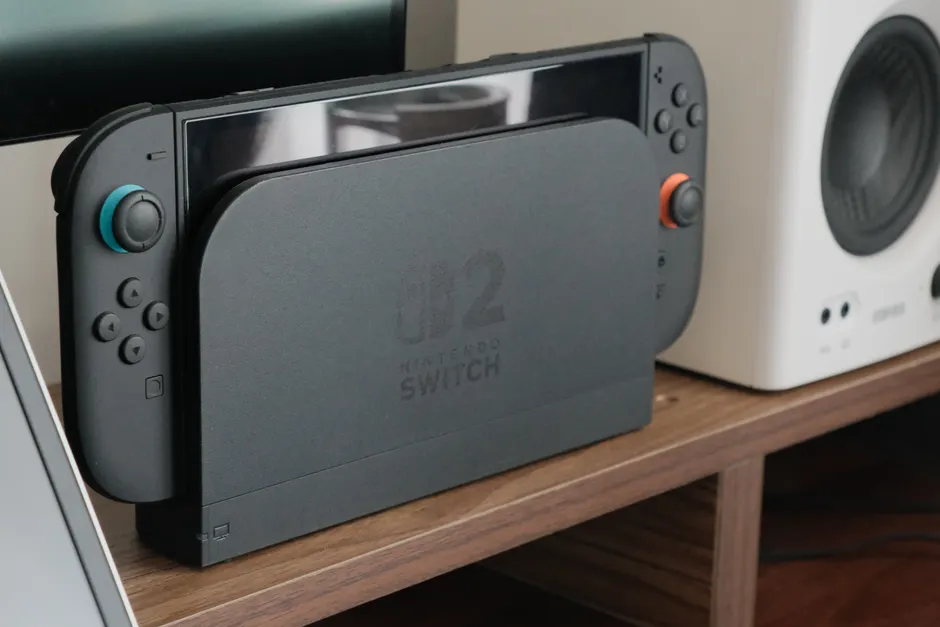
GuliKit has released a portable TV docking station compatible with Nintendo Switch, Switch OLED, and Nintendo Switch 2, priced at approximately $35 on Amazon. The dock positions itself as a direct replacement for Nintendo's own first-party dock at a fraction of the cost.
The accessory market around Nintendo hardware has always been competitive on price, but third-party docks have historically carried a credibility problem: compatibility gaps, intermittent HDMI handshake failures, and — most damagingly — the bricking incidents that hit some Switch units in 2017 when unofficial docks delivered incorrect USB-C power profiles. GuliKit is clearly aware of that history; the product page leans on cross-generation compatibility as its primary differentiator, covering all three Switch form factors from a single unit.
The more notable claim came via GuliKit's own X account on June 13, 2025: the company asserts it is the world's first third-party controller brand to support Nintendo Switch 2 wake-up functionality. Wake-up support is a specific low-level feature — it requires the accessory to correctly respond to the console's wake signal over the wireless or wired protocol, something Nintendo tightly controls through its licensing program. A third party pulling that off without a formal Nintendo license would be technically meaningful; a licensed partner shipping it first is a business milestone. GuliKit has not publicly clarified which of those two scenarios applies here, and that distinction matters for anyone evaluating the claim.
The dock itself is listed on GuliKit's product page as a compact, portable form factor — built for the bag rather than the media cabinet. That positions it against a specific use case: the Switch 2 owner who docks regularly at a hotel or a second screen rather than a permanent living-room setup. Nintendo's own dock for the Switch 2 is physically larger than the original, so the portability angle has genuine practical weight for this audience.
At $35, the price sits well below Nintendo's first-party dock and competitive with other third-party alternatives already on the market. The wake-up controller claim, if it holds, adds a feature layer that most rivals cannot match today.
Worth flagging: "world's first" claims from a brand's own social media account carry no independent verification. The controller wake-up assertion deserves scrutiny — whether this is a licensed Nintendo feature, a reverse-engineered implementation, or something enabled by the Switch 2's more open accessory architecture is not clear from the available information. For enterprise IT buyers managing Switch hardware in, say, a hospitality or education deployment, the licensing question has real procurement implications. For individual consumers, the practical risk is lower, but compatibility claims for a console barely months into its commercial life should be tested, not assumed.
The broader pattern here is familiar from every Nintendo platform cycle: a hardware launch creates an immediate aftermarket opportunity, third-party accessory makers rush to fill price gaps, and the first few months separate vendors who did the engineering work from those who shipped fast and hoped for the best. GuliKit has a reasonable track record with Switch accessories, which is relevant context. Whether this dock and the associated controller line hold up under sustained Switch 2 use will become clear through user reports over the coming weeks.