AI Slowdown Call and 5% Yield Sink U.S. Stocks
U.S. stocks sank on Monday, September 14, 2026, with rising oil prices and bond yields putting pressure on stocks. Yahoo Finance
The damage centered on large-cap tech. TheStreet reported declines of 0.75% for the S&P 500, 0.28% for the Dow Jones Industrial Average and 1.17% for the Nasdaq Composite on September 14, 2026. TheStreet
Tech led the decline. U.S. stocks fell after Anthropic CEO Dario Amodei called for an AI development slowdown. Wall Street Journal
Rising oil futures triggered interest-rate worries during the U.S. stock decline. Wall Street Journal
On September 14, 2026, AI stocks dropped on calls for a slowdown as rising oil prices pushed the 10-year yield to 5%. Boston Herald
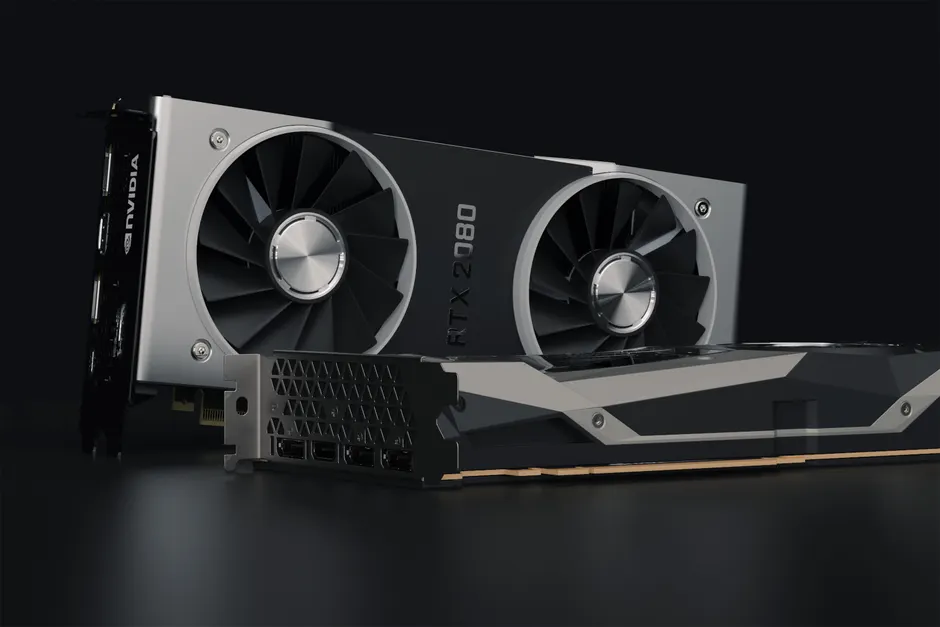
Reuters reported that Wall Street fell as AI anxiety battered Nvidia and chipmakers. Reuters
That Reuters report put the declines at 0.23% for the Dow, 0.42% for the S&P 500 and 0.44% for the Nasdaq on September 14, 2026. Reuters The two sets of index prints differed across same-day reporting. Dispersion widened underneath.
On September 14, 2026, chipmaker stocks fell while software stocks climbed. Reuters
The selloff was not confined to New York. AI-linked stocks plunged worldwide on Monday, September 14, 2026. Reuters
Labor had set the tone earlier in the month. The Wall Street Journal's news archive for September 4, 2026 lists a headline starting U.S. Stocks Fall as Robust August Jobs readers can consult in the archive. WSJ Archive That archive also lists the headline "American Workers Have Slammed the Brakes on Switching Jobs." WSJ Archive
The broader context here is a cross-asset tightening impulse colliding with concentrated AI beta. Crude-driven inflation pass-through lifts front-end rate expectations, term premium reprices, and long-duration growth multiples compress. When the discount rate moves with the equity risk premium in the same direction, bonds do not cushion. That dynamic punishes capex-intensive compute exposure first.
In my view, the internal rotation matters more than the headline index moves. Semis underperforming while software outperforms points to differentiation around monetization horizon, contract duration and margin insulation rather than indiscriminate derisking. For desks managing tracking error, factor crowding and liquidity tiering become binding faster than index-level volatility suggests.
Looking at what this means for positioning, the interaction between AI capex expectations and real yields is now the marginal pricing variable. A slowdown call alters the expected path of hyperscale spend and unit economics across the stack. Combined with a 5% 10-year, the hurdle for multiple maintenance rises. The open question for credit and equity correlation is whether earnings duration shortens enough to offset the rate shock, or whether dispersion persists into quarter-end hedging flows.