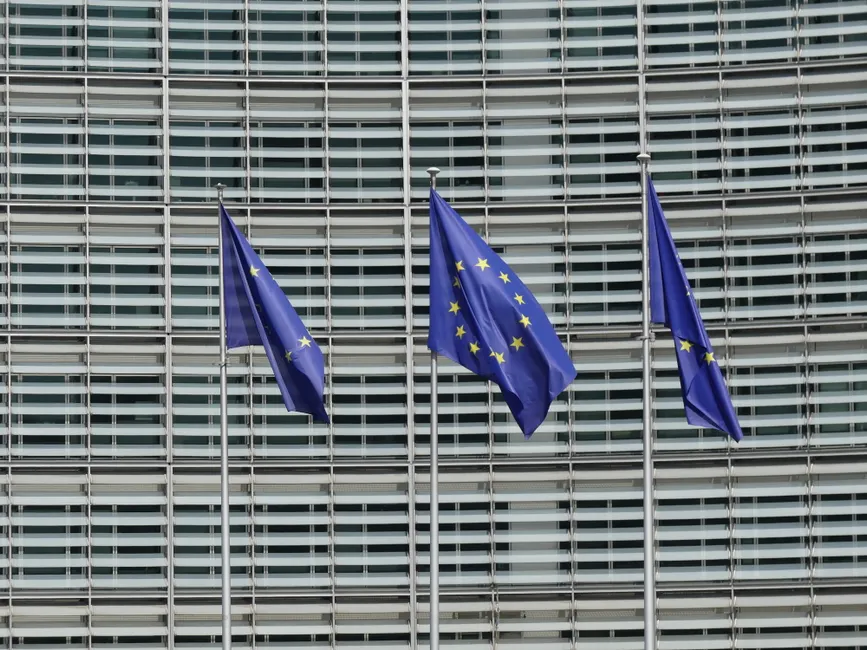
Von der Leyen Invites Canada to Become EU's First Associate Member

European Commission President Ursula von der Leyen on September 16, 2026 invited Canada to become the first associate member of the European Union. She issued the invitation at the European Parliament in Strasbourg in the presence of Canadian Prime Minister Mark Carney The Guardian. Her words were: "I would like to work with you on opening the door for Canada to be the first associate member of the EU." Reuters
The proposal came in her 2026 State of the Union address. She framed the moment in stark terms: "The state of our union is the strongest it has ever been. The state of our union can also feel as precarious as it has ever been." Deutsche Welle She said the existing EU-Canada trade deal would be upgraded to an "alliance for the future" to create a common prosperity and economic security space The Guardian.
The institutional context is spare. The EU has 27 members and has never had an associate membership category The Guardian. Von der Leyen holds the Commission presidency for the 2024-2029 term. The Commission published the address on its presscorner site as speech_26_1868, listed as a September 15, 2026 speech in Strasbourg European Commission.
Procedure is already in motion. Carney was due to address the European Parliament on Thursday, September 17, 2026. The EU and Canada were due to hold a summit in late October 2026 to further develop the associate membership idea The Guardian. The State of the Union debate itself was scheduled for the Parliament's September 14-17, 2026 Strasbourg plenary session, with von der Leyen and MEPs to debate the 2026 State of the European Union European Parliament.
The address ranged beyond Canada. Commission documents note that von der Leyen visited Greenland in September 2026 to announce a €200 million Global Gateway Partnership Package for investments European Commission.
The broader context here is institutional invention. The category does not exist. That means every element, from legal basis to participation rights to obligations, will have to be defined from zero. For practitioners accustomed to accession processes, association agreements and partnership councils, the language of associate membership offers no precedent inside the Union. The calendar is tight.
Looking at what this means for Brussels and Ottawa, the sequencing matters. A parliamentary appearance followed by a late-October summit gives both sides a venue to test scope before any text exists. The trade language is telling. An upgrade from a deal to an alliance built around prosperity and economic security suggests the negotiation will not be confined to tariffs and quotas. It points to regulatory alignment, supply chains and joint standard-setting, though none of those details have been specified.
In my view, the near-term question is definitional rather than diplomatic. Whether associate membership becomes a durable status or a political label will depend on what the October summit puts on paper. Until then, the invitation stands as a proposal, not a status. Canada has been asked to help build the door it would walk through.