Israel Escalates Strikes Across Lebanon as Diplomatic Track Holds a Parallel Course

Israeli airstrikes and artillery fire killed at least 15 people across southern Lebanon on June 19, 2026, with strikes hitting Tyre — Lebanon's fourth-largest city — and multiple towns in the south, according to Reuters. Drone strikes also killed civilians, including families, in the same wave of operations. The Israeli military simultaneously announced strikes on Beirut targeting what it described as Hezbollah infrastructure.
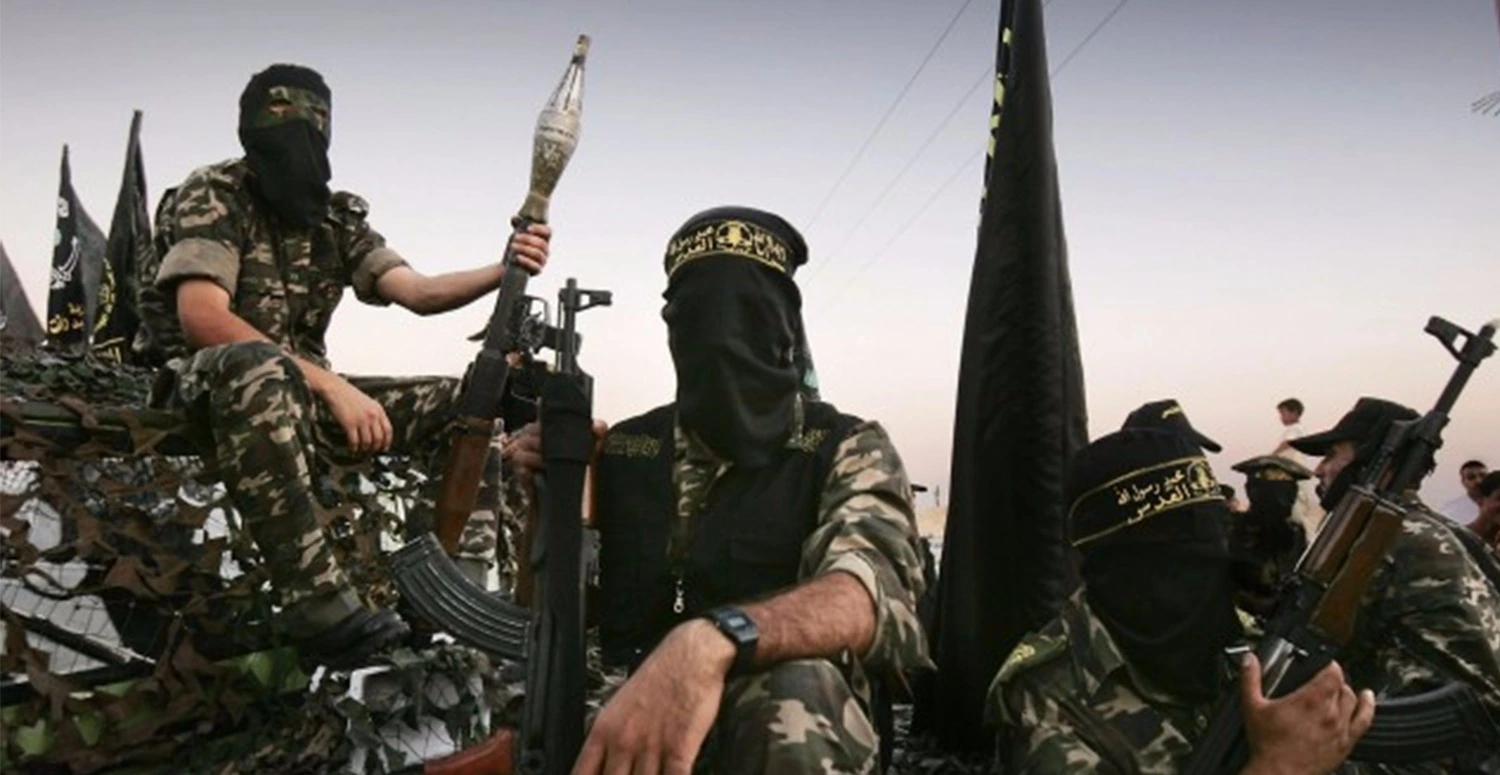
Prime Minister Netanyahu, addressing the operations publicly, drew a line that has become a consistent frame for Israeli communications: Israel is not at war with Lebanon as a state, but with Hezbollah as an armed non-state actor. He cited the destruction of missile stockpiles and hundreds of launchers as operational objectives, and referenced a reported arsenal of 150,000 missiles inside Lebanese territory as the baseline threat justifying the campaign's scope.
MK Illouz, Chair of the Knesset Delegation to the Inter-Parliamentary Union, echoed that framing in international forums, asserting that Israeli targeting doctrine restricts strikes to terrorist infrastructure and military assets. The assertion runs directly against the civilian death toll accumulating in southern Lebanese towns, a tension that Lebanese officials and international observers have pressed repeatedly.
The State-Hezbollah Distinction and Its Diplomatic Weight
The Israeli government's insistence on disaggregating the Lebanese state from Hezbollah is not merely rhetorical. It carries concrete legal and diplomatic consequences. By framing the conflict as a counterterrorism operation against a designated armed group rather than a war with a sovereign government, Israel seeks to preserve bilateral normalization channels, limit the scope of international censure, and avoid the legal exposure of full-scale inter-state hostilities under the laws of armed conflict.
That framing has partial backing in Washington. The United States acknowledged the challenge posed by Hezbollah's continued attacks on Israel — attacks the U.S. described as occurring without the consent or approval of the Lebanese government. That formulation matters: it affirms Beirut's legal distance from Hezbollah's military decisions while stopping short of endorsing the Israeli operational tempo or casualty count.
Critically, Israel and Lebanon have reaffirmed — through whatever back-channel is currently operative — that they hold no hostile intent toward one another and have committed to continuing direct negotiations. The existence of a live diplomatic track while Israeli strikes kill Lebanese civilians in Lebanese cities is the central paradox of this phase of the conflict. It is not a new paradox; it has defined the Lebanon-Israel relationship through multiple cycles of escalation since 2006. But its recurrence here, with strikes reaching Tyre, marks a qualitative uptick in geographic reach.
What the Arsenal Figures Mean
Netanyahu's figure of 150,000 missiles deserves scrutiny on its own terms. Hezbollah's rocket and missile inventory has been a subject of significant variance in open-source and intelligence assessments over the past decade, with estimates ranging widely depending on methodology and what categories of munitions are included. If the 150,000 figure reflects precision-guided munitions as well as unguided rockets, it would represent a qualitatively different threat profile than legacy stockpiles. Israeli operations targeting launcher infrastructure suggest the priority is degrading delivery systems rather than warheads alone — a targeting logic consistent with suppressing precision-strike capability before any broader escalation.
The claim that hundreds of launchers have already been destroyed is unverifiable from open sources. Hezbollah's battle damage reporting is self-interested in the opposite direction, and independent access to strike sites in southern Lebanon remains constrained.
The broader trajectory here is one that analysts of the Israel-Lebanon file have tracked since the 2006 war's inconclusive end: each cycle of escalation tests both sides' tolerance thresholds and the durability of the U.S.-mediated diplomatic architecture. The current round is notable for the simultaneity of kinetic escalation and active bilateral diplomacy — a combination that either reflects a deliberate pressure strategy or a fragile equilibrium that neither side has yet decided to collapse. The diplomatic reaffirmation of no hostile intent between Israel and Lebanon, issued alongside an expanding strike campaign, is either a guardrail holding or a formula being stretched to its limit.