Six Arrested After Gosport Marina Protest Built on Wrong Landing Tip
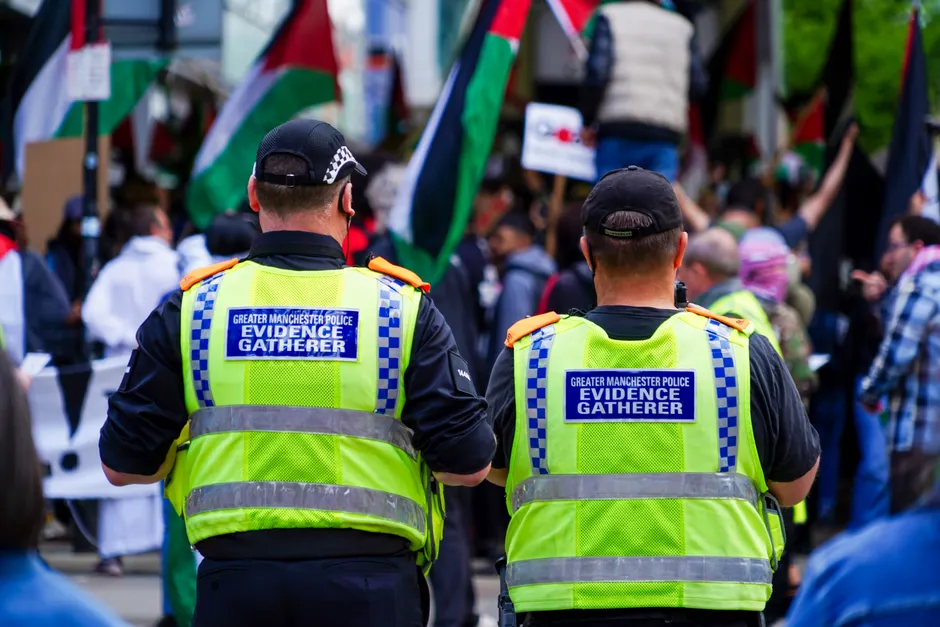
Six people were arrested after hundreds of protesters gathered at a marina in Gosport, Hampshire, on Tuesday evening in the mistaken belief that a small boat carrying asylum seekers would be brought ashore there. The Guardian
Hampshire and Isle of Wight Constabulary said the six were arrested after becoming hostile towards officers. GB News Four people from Gosport, two men aged 33 and 67 and two women aged 31 and 32, were held on suspicion of assaulting an emergency worker. Two men from Salisbury, aged 19 and 36, were held on suspicion of aggravated trespass. The 67-year-old was also held on suspicion of careless driving.
The boat at the centre of the rumour did not go to Gosport. Border Force vessels carrying asylum seekers landed in Dover early on Wednesday instead. The vessel docked in Dover, Kent, at around 12:30am on Wednesday with 51 people on board. Those on board reportedly refused help from a French ship and spent 33 hours at sea.
Initial reports that drew protesters to Gosport had suggested a small boat carrying 60 migrants would be brought to the town. LBC By Tuesday evening, crowds had assembled with the stated aim of disrupting disembarkation. Some wore black clothing and face coverings and chanted "send them back". People in black clothing, some with face coverings, were positioned at the front of the protest.
Police said the Gosport protest followed calls from far-right campaigner Daniel Thomas, who styles himself as Danny Tommo. Thomas spent Tuesday afternoon in a speedboat in the Channel broadcasting his pursuit of asylum seekers to more than 100,000 people. He is facing a police inquiry after using a blade to slash an inflatable dinghy in the Channel while a rescue worker was onboard.
Two other landings frame the operational picture. A second small boat reached Samphire Hoe, near Dover, on Tuesday afternoon without being detected and intercepted. Border Security Command has detained 21 migrants from that boat. On Monday, five people were detained after a dinghy reached shore at Folkestone, Kent.
The broader context here is operational and informational. A protest mobilised around an expected landing location did not predict the landing location. Border Force diverted to Dover. Border Security Command later detained a group from an undetected arrival. That sequence points to three pressures running in parallel. First, real-time claims about small-boat movements can assemble crowds faster than official confirmation can correct them. Second, landing decisions can shift late for safety, logistics or policing reasons, leaving a gap that rumour fills. Third, direct action at sea, whether protest or interception, creates risk for crews, rescue workers and those on board, and invites criminal inquiry.
What to watch is how police handle the two edges of this. One is public-order policing around ports and marinas where arrivals are expected. Charges cited so far, assault of an emergency worker, aggravated trespass and a driving offence, will test how prosecutors distinguish protest from obstruction and violence. The other is enforcement in the Channel itself, where livestreamed pursuits and physical interference with dinghies raise questions of jurisdiction, evidence and duty of care. The numbers in this case are small and specific. The pattern, mobilisation on partial information followed by diversion and detention elsewhere, is likely to repeat.


