Meta Connect 2026 Opens With Focus on AI and Camera-Free Glasses
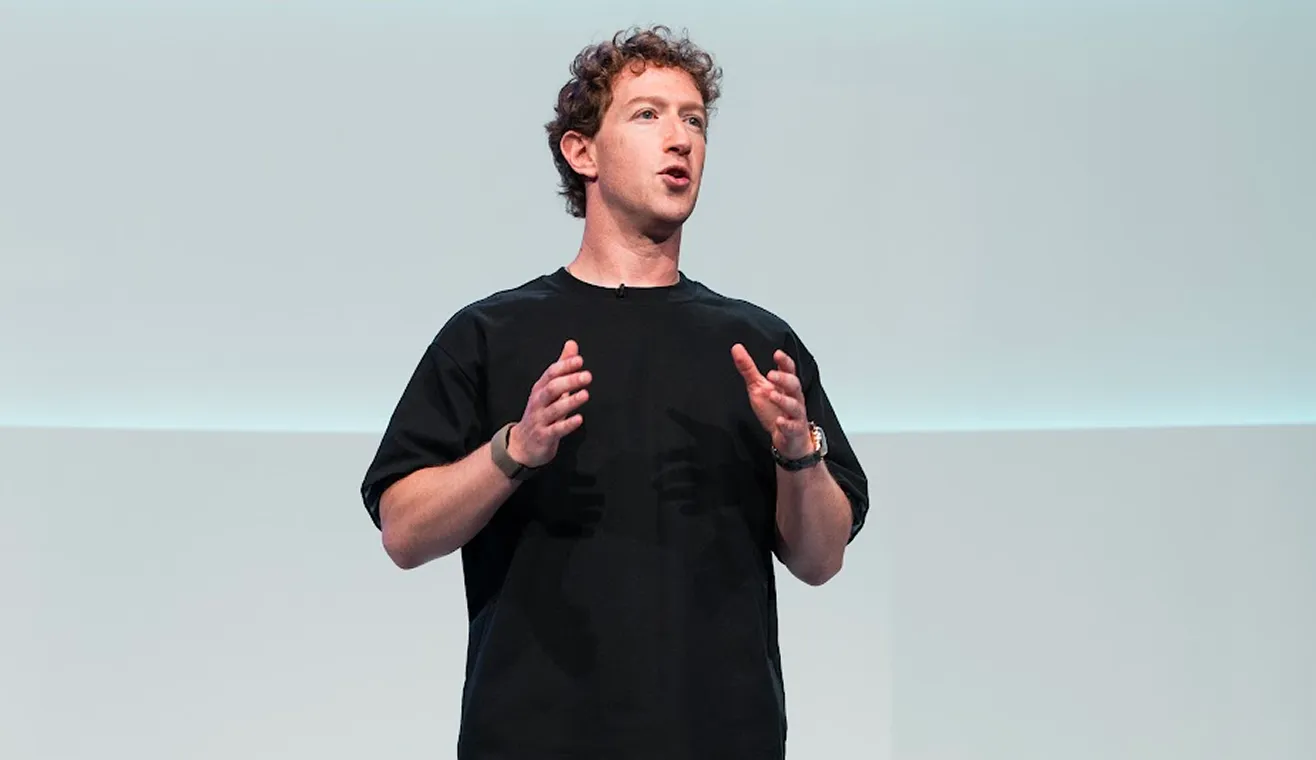
Meta will open Connect 2026 in California on September 23, 2026, with a keynote by Mark Zuckerberg scheduled for 4:00 p.m. PT / 7:00 p.m. ET.
The event runs September 23-24 as a two-day conference. The keynote is set for Wednesday, September 23 at 4:00 p.m. PT, according to Meta's agenda. Meta The Verge is on the ground in Menlo Park to cover the annual September product launch live. The Verge
Meta frames the keynote around how "Meta is building a future for everyone". Zuckerberg has also published a recent essay on AI, smart glasses and related topics, which the company points to as background for the address. The Verge
The stated scope for Connect 2026 covers new advancements in AI, smart glasses and expanded reality. Meta separately describes Connect as a two-day conference showcasing breakthroughs in AI, wearable technology and immersive experiences. That language keeps the program centered on models and developer tooling alongside client hardware and spatial computing interfaces.
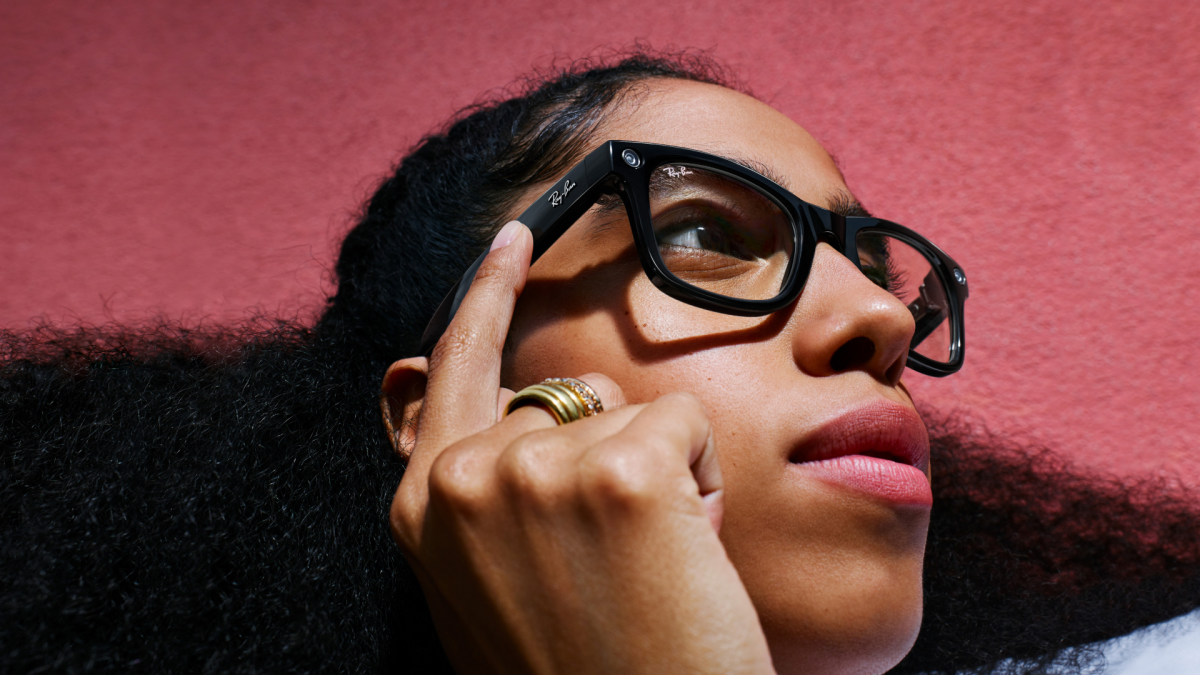
The hardware item drawing the most pre-show attention is a camera-free pair of smart glasses. Reuters reported on September 23, 2026 that Meta was expected to unveil smart glasses without a camera as privacy concerns grew. Reuters Earlier reporting identified the internal code name as Luna and a planned release in fall 2026. Reuters
For an expert audience, the interest is less in the code name than in the input and system constraints. A display and audio-first pair of glasses with no camera removes one sensor path entirely. It simplifies the privacy threat model around capture in public spaces. It also shifts more weight to microphones, inertial measurement, location context and paired-phone computation for assistant functions.
The broader context here is the trade between capability and social acceptability in face-worn devices. Cameras enable first-person vision for multimodal assistants, visual search, barcode and text capture, and spatial mapping. They also create a persistent ambiguity for bystanders about when recording occurs. A camera-free variant tests how much utility an AI assistant can deliver through audio, on-screen output and cloud-backed language models alone, without that visual feed.
In my view, that test matters for enterprise as well as consumer use. Offices, clinics, factories and classrooms each have distinct policies on lenses. A device that is camera-free by hardware design, rather than by software toggle or LED indicator, is easier to evaluate against those policies. It lowers deployment friction. The cost is narrower context for the model. The assistant must operate with less grounding in the physical scene.
Looking at what this means for developers, the relevant questions are about SDK access, permission models and inference routing. If visual input is absent, voice becomes the primary high-bandwidth input, with gaze or gesture data limited to what non-camera sensors can infer. Latency budgets tighten. Wake-word detection, speech-to-text, dialogue management and text-to-speech all need to feel immediate when there is no viewfinder to anchor the interaction. Power and thermal envelopes for continuous audio processing and wireless tethering become central engineering concerns.
I have watched my own children adopt and discard wearables based less on specifications than on whether the device felt normal to wear around other people. That social filter often decides adoption faster than benchmarks do. Meta appears to be probing that filter directly with a hardware choice that sacrifices sensor richness for wearability.
The near-term program to watch at Connect is how Meta positions Luna-class hardware relative to its camera-equipped glasses and its expanded reality roadmap. Expect detail on assistant integration, on-device versus cloud processing splits, and how developers target a product line where some devices see the world and some do not. If Meta can make the camera-free tier useful on its own terms, it widens the addressable base for ambient AI without waiting for cultural norms around face-worn cameras to settle.