From Tarmac to State Dinner: Trump and Xi Buy Two More Months on Trade

Chinese President Xi Jinping arrived in Washington on Wednesday evening for talks with U.S. President Donald Trump, opening a three-day state visit and his first trip to D.C. in 11 years.
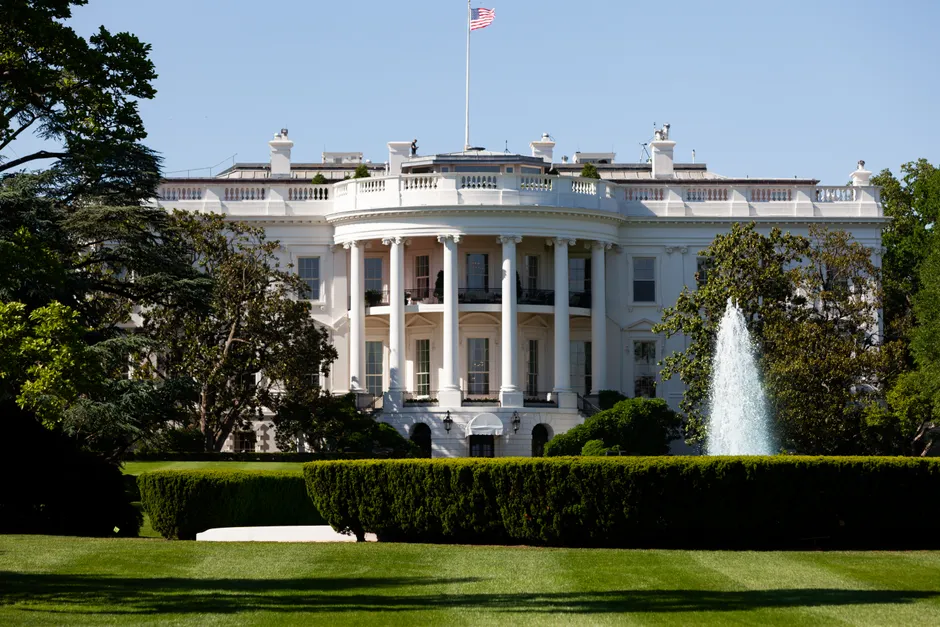
The visit began with an arrival ceremony at the White House in Washington, D.C., on September 24, 2026. Trump traveled to Joint Base Andrews near Washington to greet Xi on the tarmac, a reception not extended to a foreign leader by a U.S. president since 1962, when John F. Kennedy welcomed U.K. Prime Minister Harold Macmillan Al Jazeera. Trump later welcomed Xi to the White House for a state dinner.
Trump used the opening protocol to stress personal rapport. Inside the White House's Grand Foyer, ahead of a private meeting with Xi, he touted what he called a "truly great friendship" with the Chinese leader CBS News. He said he and Xi forged a "truly great friendship" dating from his first election in 2016 AP.
The meeting extended a fragile U.S.-China trade war truce for another two months Al Jazeera. No longer duration was announced. The outcome keeps negotiations open. It does not resolve the underlying dispute.
The language from Trump this week contrasts sharply with his prior public language on China. In August 2012, Trump posted on Twitter that China was caught cheating in the Olympics and described China's M.O. as "Lie, Cheat & Steal in all international dealings."
In July 2015 at a South Carolina campaign event, Trump said the U.S. should not give state dinners to heads of China because "They're ripping us left and right" and said to "take them to McDonald's and go back to the negotiating table." In his 2015 book Crippled America: How to Make America Great Again, Trump referred to China as "our enemy."
In May 2016 at an Indiana campaign rally, Trump said "We can't continue to allow China to rape our country" and called it "the greatest theft in the history of the world." In September 2020 at a Labor Day White House news conference, Trump said no country had "ripped us off like China has" and that the U.S. had lost "billions and billions and billions of dollars" dealing with China.
The broader context here is protocol as negotiating instrument. State visits, tarmac greetings and state dinners are scarce goods in Washington. They confer status. They create images of parity and access. For specialists, the sequence matters: a personal airport reception, a formal arrival ceremony, effusive language in the Grand Foyer, then a private bilateral, then dinner. That structure gives both leaders political cover to present a short extension as progress while deferring harder tradeoffs.
Looking at what this means for the next phase, two details deserve weight. First, the truce window is brief. Two months compresses the timeline for working-level talks and leaves leverage on both sides. It rewards continued leader-level engagement. It also preserves the option to escalate. Second, the rhetorical shift is functional. Past denunciations framed Beijing as an adversary to be confronted through tariffs and negotiation. The current framing of friendship dating to 2016 reframes the bilateral as leader-managed. That can stabilize crisis communication. It can also narrow room for concessions, since any outcome must now match the billing of personal chemistry.
For an expert audience, the test is implementation. A tarmac greeting last seen in 1962 signals intent. A two-month extension signals caution. Whether the state visit format produces durable de-escalation will depend on what the private meeting set in motion beyond the dinner table.