Meta's Muse Holds No. 1 as Distribution Does the Heavy Lifting
Meta's Muse held the No. 1 free-app slot on the U.S. App Store from September 18 through September 25, 2026, and on Google Play since September 19. The most expansive third-party estimate puts total downloads at 4.3 million. Availability remains limited to the U.S. and Canada.
Meta launched Muse on September 8, 2026, as a free personal AI agent for Mac and mobile. The app runs on Meta's Muse Spark AI model, according to Fortune. Meta describes it as a secure, private personal AI agent that proactively helps people meet their goals and suggests ideas, language drawn from its September 8 announcement titled Introducing Muse: The World's First Personal AI Agent Built for ...
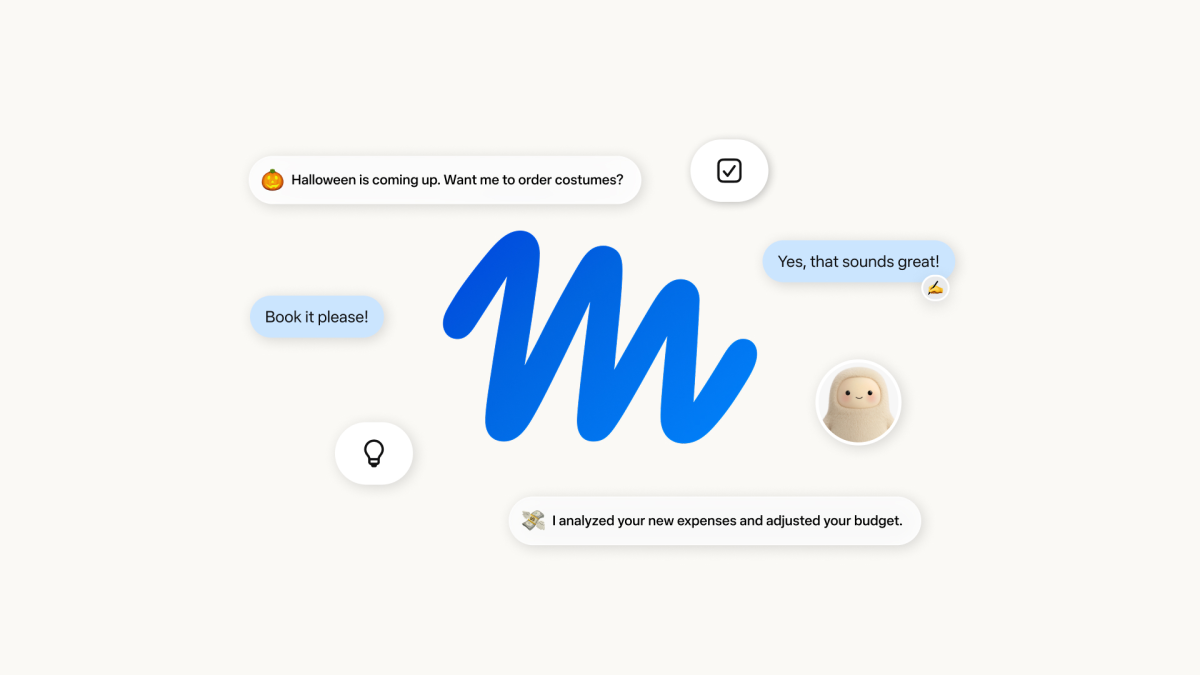
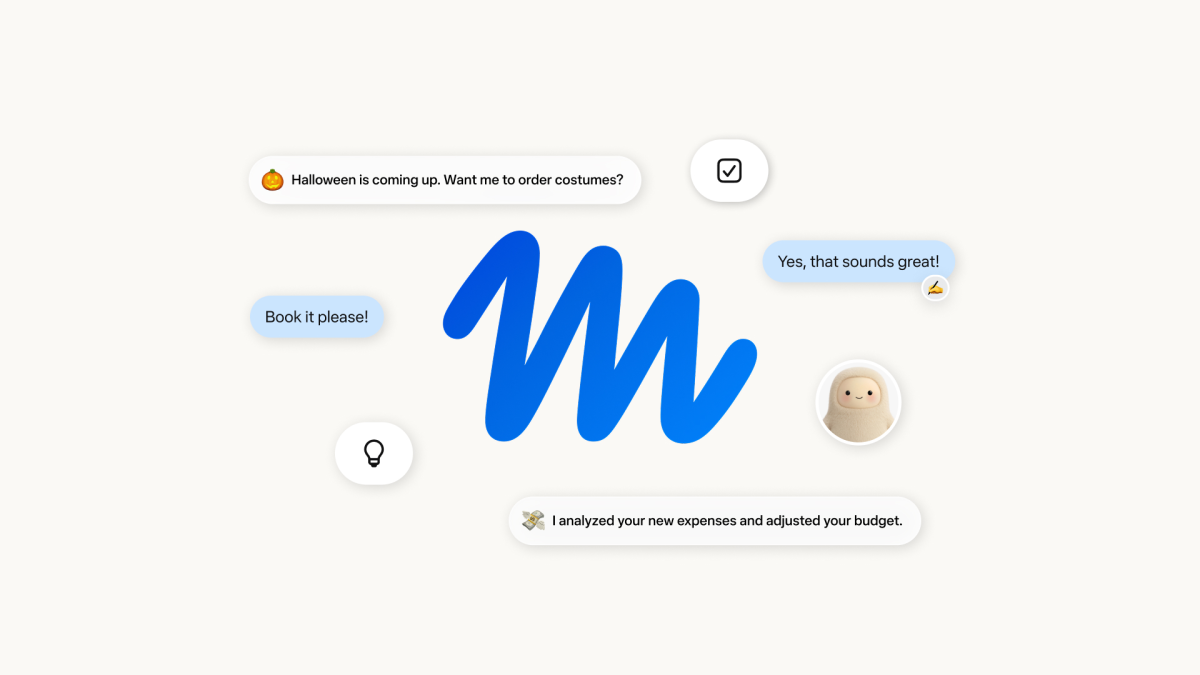
The functional scope is agentic rather than chat-only. Meta states Muse can answer questions, complete tasks, browse the web, make purchases, generate images, create documents, and connect with apps and services. Meta also states it is built to work across phone, computer and the web.
Velocity has been steep. Muse averaged 55% day-over-day download growth from September 8 to September 17, according to TechCrunch. It had surpassed 2.5 million downloads by the start of the week of September 25. In the U.S. and Canada, it recorded more downloads and more daily active users than ChatGPT did over the comparable early-launch period.
Third-party totals differ, as mobile estimates routinely do. Apptopia estimated 4.3 million downloads to date, with 2.6 million on iOS alone. Sensor Tower estimated more than 3.4 million downloads as of its Thursday read, including 2.8 million in the first two weeks on app stores. Appfigures estimated roughly 2.3 million installs as of Thursday, split almost evenly between iOS and Android. The spread reflects panel, model and deduplication differences, not a dispute about direction.
Distribution explains much of the slope. Meta is marketing the Muse app to existing Facebook and Instagram users. Sensor Tower data indicates Meta rolled out house ads promoting Muse on September 9, a day after launch. For a tech-literate audience, the mechanism is familiar. Owned inventory collapses acquisition cost and lets a new client bootstrap from billions of authenticated sessions.
Meta Connect added a second impulse. Sensor Tower found daily active users for the Muse app climbed 27% on Wednesday after the conference. At Connect, Meta announced upcoming Muse features including video chat with the Muse avatar, computer use on the Mac, a dedicated email address, more partners and connectors, and smart glasses integrations. Those items remain roadmap, not shipped capability.
The hardware thread is already visible. Meta describes Muse Charm as its first AI agent device, and positions Muse as spanning glasses alongside phone, computer and web.
The broader context here is a shift in what the client is for. Chat established the prompt box. Muse is being framed around delegation, persistent memory of goals, and direct action inside third-party services through connectors, plus computer use on macOS and a dedicated email address for agent-mediated workflows. That architecture raises familiar enterprise questions around permission scoping, credential storage, purchase authorization, and audit trails for actions taken on a user's behalf.
In my view, the early numbers say less about model preference than about distribution leverage and timing. Topping the App Store ahead of OpenAI's ChatGPT, as reported by Fox Business, is notable. Doing so in only two countries, with in-house promotion and a Connect news cycle behind it, suggests headroom if and when geographic expansion follows. Worth flagging is the retention question. Installs compounded at 55% daily for nine days, and DAU popped after Connect, but sustained use of delegated tasks is harder to earn than a first-week trial.
What this enables, if the connector and computer-use pieces land as described, is a test of agents as daily utilities rather than demos. Purchases, documents, image generation and web browsing inside one agent, reachable by voice, text, avatar video and glasses, would move more routine coordination work off manual app-hopping. That is a practical prize, and the reason the next data to watch is not rank charts but repeat task completion.