Bond Selloff, $106 Oil, Then AI Bid: Dow to 51,810 in Volatile Winning Week
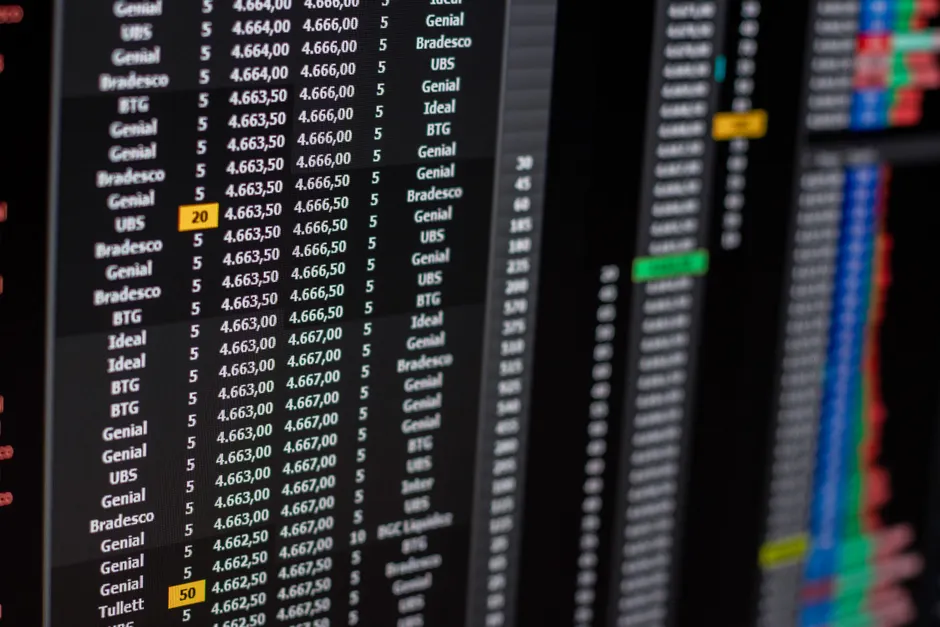
U.S. equities finished the week ending September 25, 2026 higher, with the Dow, S&P 500 and Nasdaq all closing the week up after a volatile rotation between bonds, oil and megacap growth. The Dow climbed 460 points, or 0.9%, to 51,810, while the S&P 500 added 39.28 points, or 0.5%, snapping a three-week losing streak for the Dow, according to MarketWatch.
The reversal was sharp. On Sept. 24, the Dow fell for a third consecutive session as Treasury yields hit a fresh 19-year high and oil prices rose, according to Investopedia. The Wall Street Journal titled its Sept. 24 live file "Stock Market News, Sept. 24, 2026: Bond Selloff Worsens ..." in a session where significant advances in yields and crude reflected broader fears that inflation risks had survived, according to The Wall Street Journal.
Price action into that selloff was not linear. Bond yields fell slightly on Monday and Tuesday as oil prices retreated, then soared on Wednesday, according to The Wall Street Journal. Brent crude was hovering around $106 a barrel while Treasury yields rose, according to The Wall Street Journal. Wednesday's equity decline was concentrated in megacap drag, with Wall Street ending lower, pulled down by Alphabet and Amazon.
Thursday added a marginal down day for the S&P 500 as uncertainty about the Middle East lifted oil prices and Treasury yields, according to Reuters. On Sept. 25, the S&P 500 added 0.4% and was on track to break a three-day losing streak marked by big swings due to rising yields in the bond market, according to BNN Bloomberg.
Friday settled the week. Wall Street climbed on September 25, 2026 as investors bought AI stocks, with Microsoft rallying, even as high oil prices and the recent surge in U.S. Treasury yields kept investors on edge, according to Reuters. Oil prices fell as the S&P 500 and Nasdaq gained and Treasury yields declined, according to Yahoo Finance. The 10-year Treasury yield was at 5.2% on September 25, 2026. For the week ending September 25, 2026, the Nasdaq, S&P 500 and Dow all finished higher, according to Investopedia.
Earlier September trading frames the sensitivity. Wall Street ended lower in a shaky start to September as higher yields and rising oil weighed, with the Dow down 0.79%, the S&P 500 down 0.71% and the Nasdaq down 1.03%. A prior Thursday bounce, with the Dow up 0.62%, the S&P 500 up 1.14% and the Nasdaq up 1.69% on easing oil, showed the same cross-asset linkage in reverse.
The broader context here is a market still pricing energy pass-through into term premium. When crude holds above $100, front-end inflation expectations firm and long-end buyers demand compensation for duration. That lifted nominal yields to a 19-year high midweek and compressed equity multiples, with long-duration megacap growth taking the hit. The late-week bid for AI names did not resolve that equation. It narrowed leadership while leaving the index level dependent on a small set of cash-generative issuers.
In my view, the sequence matters more than any single close. Two soft days for yields on retreating oil, followed by a joint spike in yields and crude, then a Friday relief rally on lower oil and lower yields, points to oil as the near-term conditioning variable for rates volatility. For portfolio construction, that keeps correlation risk elevated. Equity and bond diversification weakens when both legs discount the same inflation shock. The 5.2% 10-year print leaves discount rates high enough to keep valuation discipline binding, even in a winning week.
Looking at what this means for flow, Friday's relief looks tactical. Falling oil and easing yields allowed systematic and discretionary buyers to re-add beta, led by AI-related megacaps. The test is whether that bid persists if Brent re-accelerates or if supply or geopolitical headlines re-tighten the Middle East uncertainty cited into Thursday. With the Dow at 51,810 after breaking its losing streak, the market enters the next week with levels rebuilt but with the same trigger intact.