Treasury Yields Rise Amid U.S.-Iran Diplomatic Stalemate
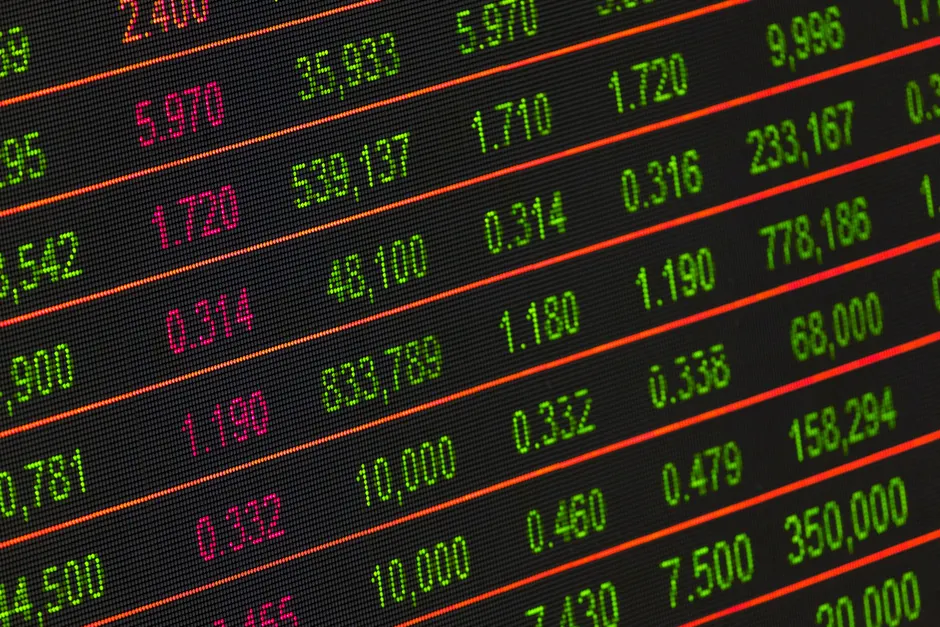
U.S. Treasury yields rose in Asian trade on Monday, Sept. 28, as a setback in Middle East peace efforts pushed oil prices higher. The move extended a sharp September repricing in duration, with crude and long-end rates moving together.
Oil rebounded after President Donald Trump rejected an Iran peace deal, according to Reuters reporting published Sept. 27. That reversal followed a choppy week around diplomacy. Crude had risen on Sept. 23, ending five consecutive days of losses, and Tehran and Washington had held discussions on the sidelines of the U.N. General Assembly in New York City during the week ending Sept. 25, according to CNBC and CNBC. Iranian President Masoud Pezeshkian vowed that Iran will not surrender to the U.S.
The rates move has been violent by recent standards. The benchmark 10-year Treasury yield jumped 13.89 basis points to 5.106% on Sept. 23, the highest since 2007 and its biggest one-day increase since April 2025, according to Reuters. It later fell 0.37 basis points to 5.158% after earlier reaching 5.2297%, also the highest since 2007, according to Reuters. Earlier in the month, the 10-year had surged to 5.041% and was last at just under 5.004% in mid-September, when oil held near a four-month peak.
The selloff was not confined to Treasuries. Japanese government bond yields rose to multidecade highs early Friday, with the 2-year yield up 2.9 basis points at 1.936%, according to Morningstar. That parallel move in JGBs points to a rates repricing transmitting across developed-market duration rather than a U.S.-specific supply episode. Equities were mixed as caution reigned.
The broader context here is the oil-to-rates transmission channel. Higher crude feeds directly into headline inflation breakevens and into inflation tail risk. Nominal yields can rise even if real yields are stable, with the adjustment concentrated in term premium. For liability-driven books and mortgage hedgers, that increase in volatility raises convexity hedging needs. It tightens financial conditions without any policy rate change.
Looking at what this means for positioning, the sequencing matters. The Sept. 23 jump in yields coincided with higher oil. The subsequent headline around a potential diplomatic solution introduced two-way risk. Then the rejection revived the long-oil, short-duration correlation. That pattern punishes basis trades predicated on mean reversion in the oil-bonds covariance. It rewards carry only if funding remains stable.
There is also a flow dimension to weigh. A 13.89 basis point daily move in 10s at yields above 5% implies outsized DV01 losses for crowded longs. The intraday extension to 5.2297% followed by a marginal close lower suggests intraday liquidity gaps rather than orderly price discovery. For dealers, balance-sheet constraints bind faster when volatility and oil move together. Bid-ask widens. Stop-loss selling can dominate.
For JGBs, the print at 1.936% in 2s deserves attention from Treasury traders. Cross-market hedging flows between JGBs and Treasuries have grown. A multidecade high in front-end yen rates changes the FX-hedged pickup calculus for Japanese demand for long-end Treasuries. Less price-insensitive buying at auction would leave Treasuries more exposed to oil-driven headline risk. That feedback loop bears monitoring into the next supply cycle.


