Five Arrested Near RAF Fairford as Counter-Terror Police Lead Explosives Inquiry
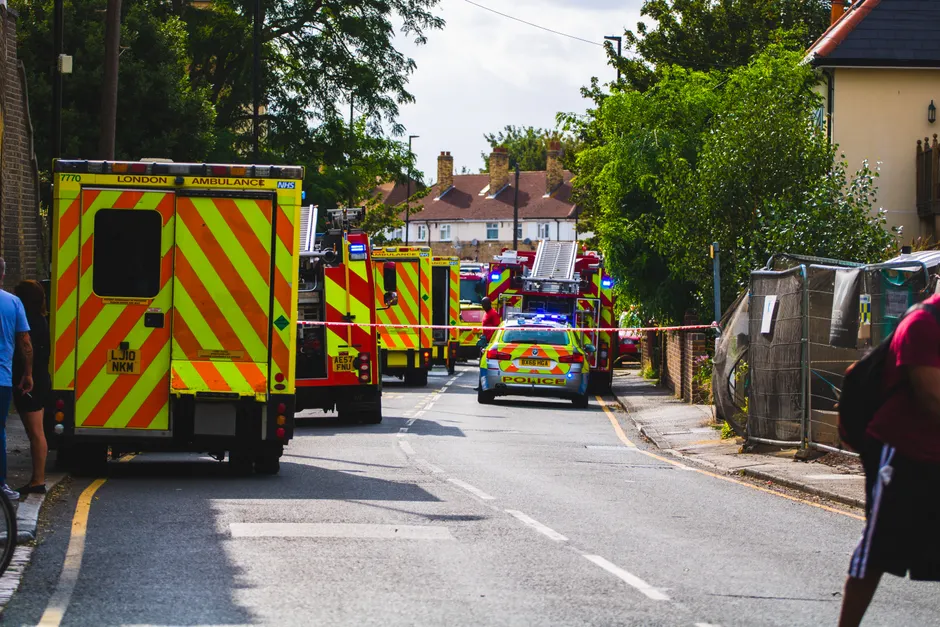
Counter Terrorism Policing is leading the investigation after five men were arrested in the Whelford area near RAF Fairford on suspicion of offences under the Explosives Act. Armed officers made the arrests early on Sunday, 27 September 2026, and a major incident was declared in connection with the detentions, according to statements reported by Gloucestershire Police and The Guardian.
The men were later held on suspicion of preparation of a terrorist act, Reuters reported. The shift from explosives offences to preparation reflects the Counter Terrorism Policing network assuming primacy, rather than a concluded charging decision. Investigators have not publicly identified the suspects.
The location gives the case its weight. Whelford backs onto the base, and RAF Fairford is a UK air base used by the United States. Police linked three suspicious vans found 400m from the base to the arrests on Sunday, The Telegraph reported. Counter-terror officers are examining a possible Iran link to the suspected plot, the same report said. That line of inquiry is unconfirmed. No authority has announced charges or attributed direction.
The arrests followed a call from a local farmer who reported seeing a large group of hooded and masked men near the base early on Sunday morning, The Guardian reported. Defence Secretary Wes Streeting, speaking to the media from the Labour party conference on the morning of 28 September 2026, thanked members of the public believed to have alerted emergency services to the suspected plot. He said the farmer acted quickly and thoughtfully and did the right thing.
That praise came with a qualification. The farmer has since said she thinks "someone dropped the ball" by allowing the suspects and their vehicles to get so close to people's homes. Streeting responded that she has only a partial picture. The exchange captures the familiar tension after a protective-security incident. Witnesses see proximity. Officials see a wider operational picture they cannot yet disclose.
The broader context here is procedural. For specialists, the next markers are custody timelines, applications for extended detention, and whether the investigation remains under explosives legislation, terrorism legislation, or both. Preparation of a terrorist act carries a different evidential threshold and disclosure regime than substantive explosives offences. Which route prosecutors pursue will signal how investigators interpret intent, capability, and targeting.
Looking at what this means for basing and bilateral coordination, Fairford's status as a UK base used by the United States ensures close liaison between British police, the Ministry of Defence, and US authorities. That is routine. Any suggestion of external state involvement would raise the diplomatic stakes sharply, moving the case from domestic criminal justice into state-threats policy. For now it is only an investigated possibility, not an allegation. The distinction matters, and officials have held it.
What to watch is whether police confirm the number and status of vehicles, the precise arrest location relative to the perimeter, and any request for additional time to question the suspects. If an Iran link is substantiated, expect formal attribution through established channels, not leaks. If it is not, expect the case to proceed strictly as a domestic explosives and terrorism-preparation inquiry.


