Protego Ventures Closes $125M Debut Fund for Israeli Defense Tech
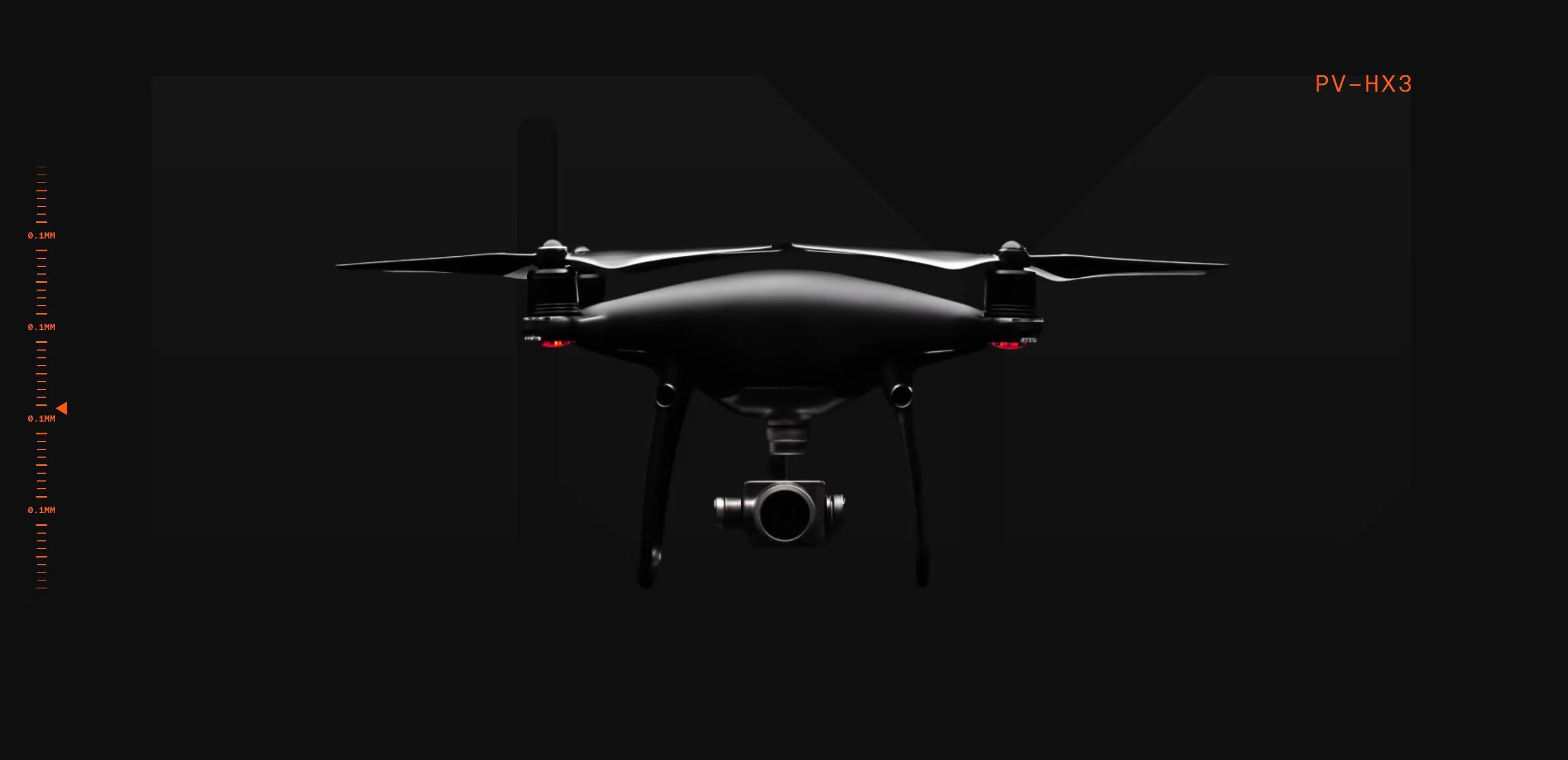
Protego Ventures has completed the final close of its debut fund with $125 million in capital commitments, TechCrunch reported on September 29, 2026.
The firm is two years old as of September 2026 and based in Israel. It is led by Lital Leshem and Lee Moser and describes itself as the first and largest dedicated defense-tech VC in Israel. Its stated mandate is early-growth companies driving innovation in defense technology.
The close came in below its initial target. Protego had set out to raise $150 million, according to the September 2026 report. That figure itself reflects a revision from earlier planning. In December 2024, the firm had targeted $200 million and said it had raised $70 million in two weeks, Calcalistech reported at the time.
Ares Management is one of the fund's biggest backers, with a $30 million commitment as a limited partner. Ares also played a formation role. The firm suggested Leshem and Moser join forces to start Protego after the October 7, 2023 Hamas attack on Israel.
Protego plans to write checks of $5 million to $50 million per company. At the top end of that range, the structure points to a concentrated portfolio. At the low end, it allows for a broader set of early-growth positions with follow-on capacity. The math is tight. A $125 million vehicle cannot do many $50 million deals without recycling capital or co-investment.
The first portfolio company was drone maker XTEND, which went public on the NYSE in September 2026. The portfolio also includes ASIO, which develops situational awareness systems. Protego led an investment in Israeli defense-tech startup ASIO Technologies, The Jerusalem Post reported in July 2026.
The partners bring operating and investing backgrounds. Leshem has 11 years of experience in the military and intelligence field and co-founded a startup that was acquired for $625 million in 2025. Moser will remain a managing partner at AnD Ventures while leading Protego.
Looking at what this means for fund construction, a dedicated, single-thesis vehicle at this size is built for selection over coverage. Generalist funds can spread defense exposure across a larger portfolio and offset it with enterprise or consumer positions. Protego does not have that buffer. Its returns will track a small number of underwriting decisions in dual-use and military systems, procurement cycles, and export controls.
The broader context here is specialization as infrastructure. Dedicated defense-tech capital adds LPs, counsel, and company networks tuned to classified work, field testing, and government customers. Those are frictions generalist software investors often price poorly. In this author's view, that is the practical case for a fund like Protego, whether or not the defense-tech label stays fashionable. If it executes, Israeli founders get a local lead investor that understands unit economics and deployment constraints at the same time, and that is a useful thing to have.


