FedEx Orders 2,000 Electric Trucks From Harbinger

FedEx has ordered 2,000 electric trucks from Harbinger in a deal worth more than $300 million. Bloomberg News first reported the order on the morning of September 30, 2026. Bloomberg
The order is the largest bulk order in Harbinger's history. Harbinger plans to deliver all 2,000 vehicles by the end of next year. TechCrunch
The vehicles are built around Harbinger's core product, an electric medium-duty commercial truck chassis. For FedEx, the order covers a mix of Class 5 and Class 6 models. That distinction matters for readers who work with fleet specifications. Chassis commonality across weight classes simplifies upfitting, parts inventory, and service training, while still allowing different body configurations for different routes.
This is not a first transaction between the two companies. FedEx led Harbinger's $160 million Series C late last year. That round was co-led by FedEx, THOR Industries and Capricorn, and the company said the capital would be used to scale U.S.-built electric medium-duty trucks. Harbinger
Alongside that fundraise, FedEx placed an initial order with delivery beginning in 2025. PRNewswire Harbinger has since delivered 53 trucks to FedEx under that prior order. The new 2,000-truck commitment is a step change from pilot-scale deployment to fleet-scale deployment.
Harbinger was founded in 2022 by former employees of Anduril, Canoo and QuantumScape. The company has raised $358 million in total funding since 2021, according to reporting on the Series C. Yahoo Finance The investor list and hiring lineage point to a team drawn from defense software, automotive startups and battery development, now focused on a single commercial vehicle problem.
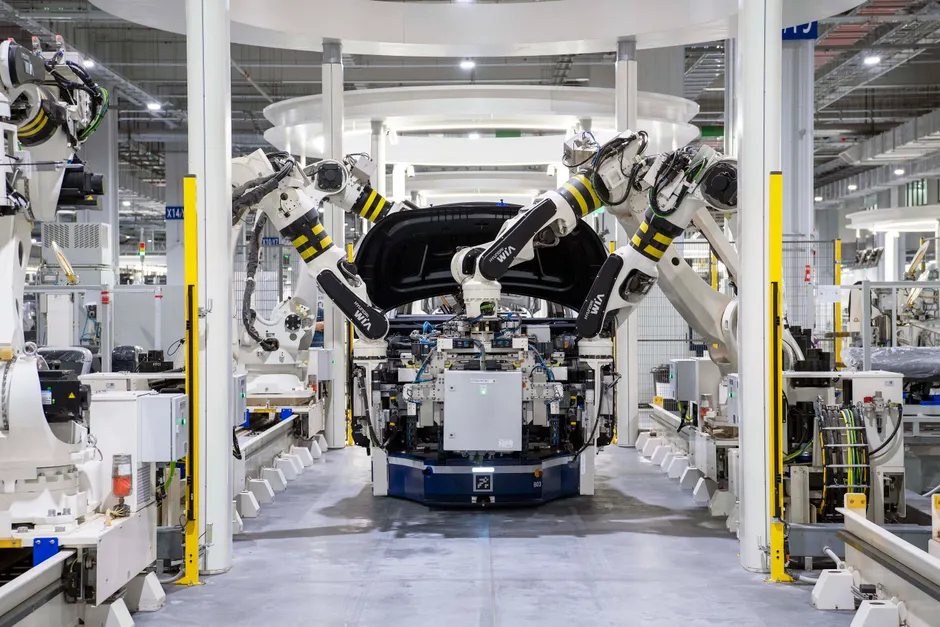
The broader context here is execution rather than technology demonstration. Moving from 53 delivered vehicles to 2,000 due by the end of next year puts the pressure on manufacturing throughput, quality control and service support. Scale is the test. For a chassis supplier, that means repeatable build processes, supply chain stability and the ability to diagnose issues across a distributed fleet.
Looking at what this means for enterprise buyers, the structure is familiar. A strategic customer invests, takes an initial tranche of vehicles, validates them in operation, then places a much larger follow-on order. In my view, that sequence is more informative than the headline dollar figure. It suggests FedEx had enough operational data from the first trucks to justify a larger commitment, though the real validation will come when the larger batch enters service.
Worth flagging for technologists is the choice of medium-duty as the electrification point. These are work trucks with defined duty cycles and centralized maintenance, not long-haul tractors. The hardware is only half the problem. Depot power, charge scheduling and integration with fleet management systems will determine whether the economics hold at 2,000 units. If Harbinger meets its delivery schedule, it will give fleet operators a useful data set on how purpose-built electric chassis perform at meaningful volume.