Airbnb's Chesky on AI Search, Multiplayer Interfaces and Agent Infrastructure

Airbnb co-founder and CEO Brian Chesky says consumer AI agents will need robust software infrastructure on Airbnb's end, and that Airbnb wants to make itself more agent-friendly. He described agents as potential lead generators for the company in a Zoom interview with TechCrunch published on Oct. 1, 2026. TechCrunch
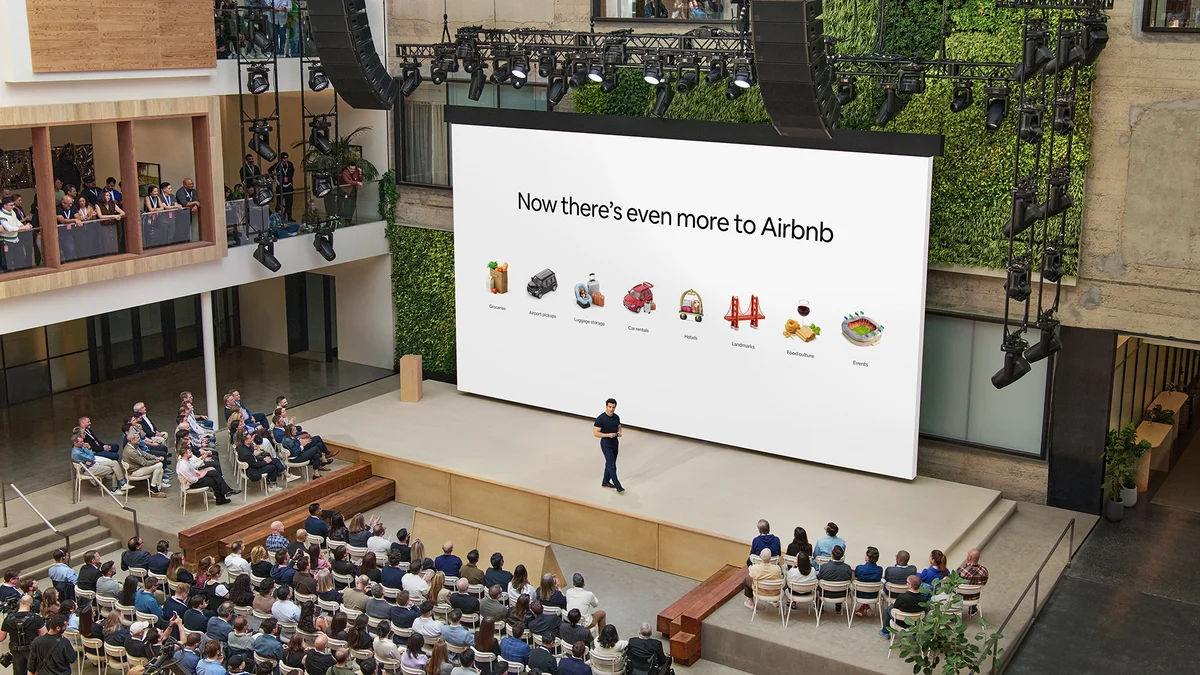
The interview followed Airbnb's fall update, which rolled out new AI-powered search. Chesky discussed Airbnb's approach to AI, interfaces, consumer AI and voice. The search release is positioned as a starting point rather than a finished product.
Chesky said chatbots are not good for browsing or shopping because they show only a few options at a time and require multiple turns to reach a result. That constraint matters for travel. Discovery is parallel and visual. Chat is serial and narrow.
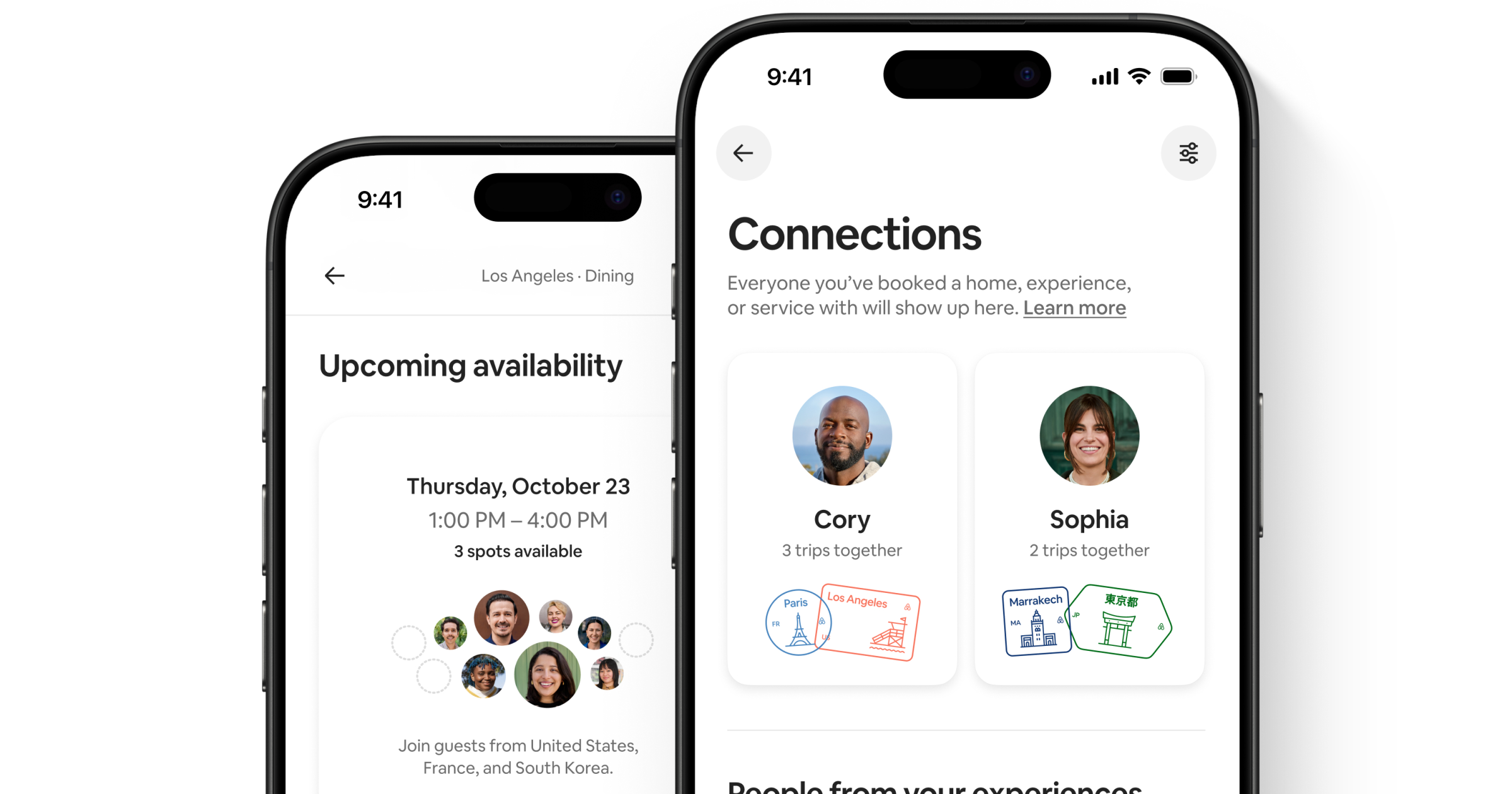
He said Airbnb's current search interface is not the final form and will evolve over time. Over the next three to six months, the company will explore interfaces enabling "multiplayer" AI that several people can use at once. In parallel, he said Airbnb wants to make its app more agentic and build more user interface controls.
The agent comments extend statements Chesky has made in recent months. At the Skift Global Forum in September 2026, he said Airbnb will launch its own AI agent in 2027. Skift In June, he disclosed plans to launch and back a new AI lab of his own. TechCrunch During Airbnb's Q2 2026 earnings discussion, he credited AI with accelerating customer experience initiatives and transforming customer support. Customer Experience Dive
The broader context here is the split between model capability and product surface. Models have improved at parsing intent and generating itineraries. The bottleneck for a transaction platform is structured choice, availability, price, policy and trust. A chat transcript does not resolve those. Controls, filters, maps, calendars and cards do.
Looking at what this means for builders, Chesky is outlining two tracks at once. One is inbound. Third party agents need stable infrastructure to read inventory correctly and pass qualified demand. The other is native. Airbnb's own app becomes more agentic, with UI controls that let an agent act inside a deterministic interface rather than guessing through language alone. For tech-literate teams, that distinction is familiar. Pure conversational UI reduces precision. Agentic UI with typed actions preserves it.
In my view, the "multiplayer" thread is the most telling for travel. Trip planning is rarely solo. Shared state, concurrent input and joint decision making are closer to how groups actually book. If Airbnb can make that interaction work without adding coordination overhead, it addresses a real limitation of single-user assistants. The long arc here is encouraging. Better interfaces for joint planning and agent-mediated discovery could lower the effort of finding a stay without removing human judgment from the choice.