US Tells France and Germany to Release Diesel or Face Export Ban

The United States told France and Germany to release 120 million barrels of diesel from emergency stocks over the next six months or face a ban on US exports, according to sources cited on Oct. 1. The volume and timetable were reported by Reuters and U.S. News.
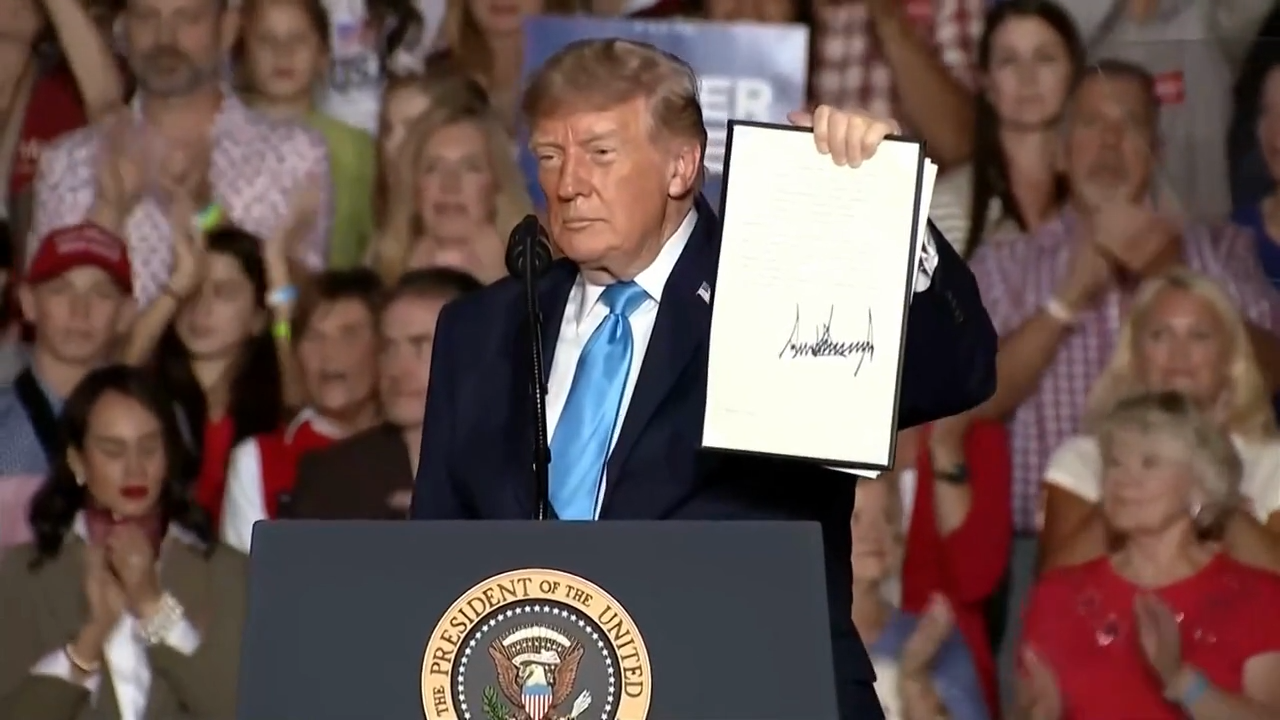
Donald Trump demanded that Europe release emergency diesel reserves or risk being cut off from US supplies, according to The Telegraph. The request was directed at the European Union and delivered bilaterally to Paris and Berlin. It sought to bring down record US diesel prices.
Diesel prices had surged to record or near-record levels as of early October, according to Reuters. The US request links that domestic price stress to a call for a coordinated transatlantic stock release. The six-month window implies a steady physical injection of middle distillate rather than a one-off sale.
EU countries hold nearly 109 million tonnes of emergency crude and fuel stocks, according to Reuters. Those compulsory stocks cover both crude and refined products. A 120-million-barrel diesel call would therefore fall on only part of that system, the refined-product tranche, and would require conversion from crude holdings or drawdown of product tanks depending on national stockholding structures.
European gasoil futures dropped about 5% on Oct. 2, according to Reuters. Gasoil is the European pricing benchmark for diesel and heating oil. The decline came one day after the US demand was reported. Crude moved less, which points to a product-specific repricing rather than a broad energy selloff.
The demand follows a prior coordinated release cycle. On March 11, the IEA announced its member countries would carry out the largest-ever oil stock release amid market disruptions from the Middle East conflict, according to the IEA. IEA members agreed to release 400 million barrels from emergency stocks, as described in the agency's podcast account of the action. The pace of those emergency releases had slowed before the IEA's August 2026 Oil Market Report, according to that report.
The broader context here is the distinction between crude and product balances. A crude-led IEA release adds feedstock for refiners. A diesel-led release adds finished middle distillate directly. For traders watching cracks, inventories at refining hubs, and refinery utilization, those are different levers. Product releases can compress diesel cracks faster, while crude releases work through runs and yields with a lag.
In my view, the structure of the ask matters as much as the headline volume. A six-month, 120-million-barrel program averages to a predictable daily flow. Futures can price that kind of scheduled length quickly, which helps explain the prompt gasoil move. Physical tightness is slower to clear. Stock draws, import logistics, refinery maintenance, and winter demand for heating oil still have to clear in the cash market. The risk for spreads is two-sided. Announcement effects fade. If nominated barrels do not arrive on schedule, backwardation can rebuild just as fast.
Looking at what this means for stock policy, the use of an export ban as leverage is unusual. Emergency stocks were built for supply disruption, not price management between allies. Tying a bilateral release request to trade restriction changes the calculus for stock managers. They must weigh domestic security minimums, IEA coordination rules, and refill obligations against diplomatic pressure. For credit and procurement desks, the near-term variable is simple. Watch tender activity and product stock data, not headlines. That will determine whether the 5% futures move holds.