Utah Judge Holds Prosecutors in Contempt Over Gag Order Violations in Charlie Kirk Murder Case
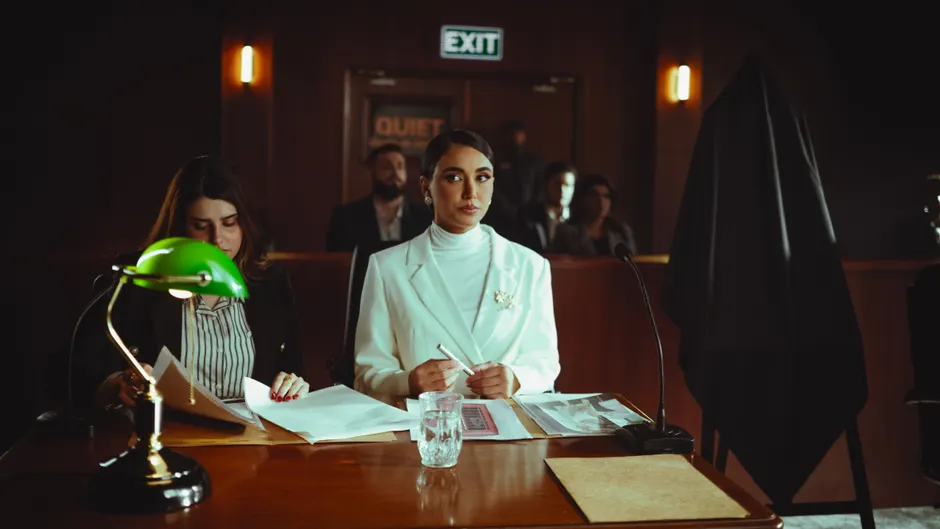
A Utah judge held prosecutors in contempt of court on June 26, 2026, finding they had violated a pretrial publicity order by making public statements about the defendant in the murder case against Tyler Robinson, who is accused of killing conservative commentator Charlie Kirk. The ruling, reported by Reuters and CNN, adds a significant procedural complication to what is already one of the most closely watched criminal proceedings in the country.
The gag order at issue was first issued in September and subsequently amended in December, according to CNN. Pretrial publicity orders of this kind are standard instruments in high-profile cases where saturation media coverage risks tainting the jury pool — courts typically restrict extrajudicial statements by counsel and parties once they determine that public commentary threatens the defendant's Sixth Amendment right to a fair trial. The fact that the order had already been amended once before prosecutors ran afoul of it suggests the court had previously signaled its expectations, making the contempt ruling harder for the prosecution to contest on grounds of ambiguity.
Contempt findings against a prosecuting office are relatively rare and carry practical as well as symbolic weight. On the practical side, a judge who has sanctioned the prosecution retains that leverage going forward: further violations could result in escalating penalties, and in extreme cases, egregious misconduct can become grounds for appellate review of a conviction. On the symbolic side, the ruling shifts courtroom posture. Defense counsel now holds a procedural grievance on the record, which can be deployed in motions practice and, if Robinson is convicted, in an appeal.
The broader procedural picture here matters for how observers should read the contempt ruling. This is not an exoneration of Robinson, nor does it speak to the underlying facts of the alleged killing. What it does is complicate the state's path to an untainted verdict. Juries in cases of this visibility are difficult to seat under any circumstances; a judge's public rebuke of the prosecution's conduct sharpens scrutiny of every subsequent step the state takes. Defense attorneys in high-profile cases routinely monitor — and document — prosecutorial overreach precisely because it can compound at sentencing or on appeal.
Kirk's profile as a prominent political figure means the case has drawn sustained national attention since Robinson's arrest. That attention is precisely the environment pretrial publicity orders are designed to manage. The prosecution's apparent inability to contain public commentary from within its own office, despite a court order that had already been revised once, is a management failure the judge has now formalized on the record.
The case continues in Utah. Whether the contempt ruling produces further sanctions, triggers any personnel changes within the prosecuting office, or influences pretrial motions yet to be filed remains an open question as of June 27, 2026.


