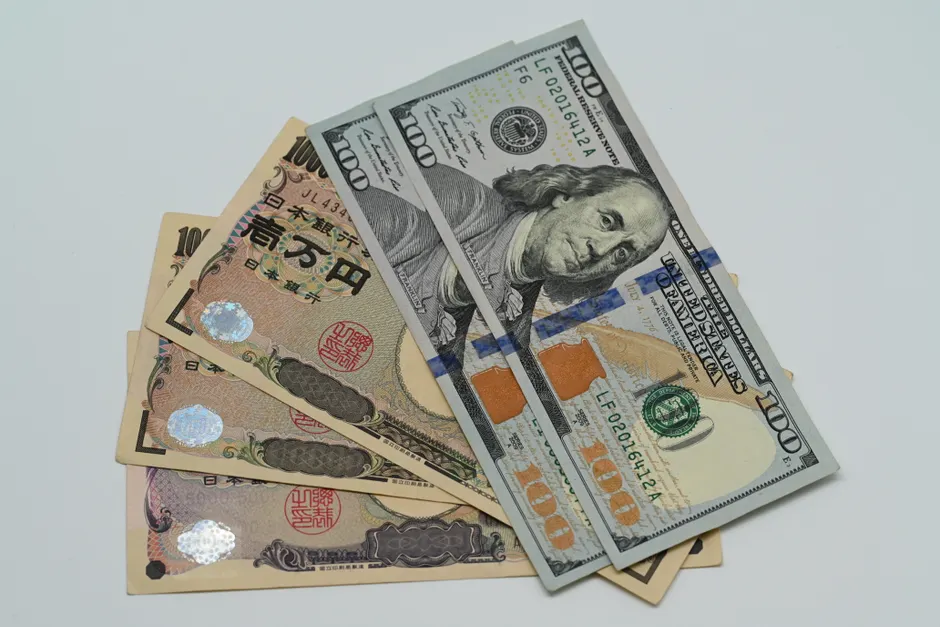
Asian FX Consolidates as Fed Hike Bets Recalibrate

Asian currencies consolidated against the dollar in early trade, with reduced Federal Reserve rate-hike prospects flagged as possible support. Wall Street Journal
The dated snapshots give a firmer anchor. The dollar index, which measures the currency against major peers, was up 0.3% at 99.961, the highest in nearly five weeks. Reuters That reading was published Sept. 16.
The latest dated assessment, published Sept. 27, noted that many Asian currencies weakened significantly against the dollar during the Federal Reserve tightening period. Reuters
Earlier flow provides background. The U.S. dollar rose across the board on Monday, Sept. 14, while the ongoing Middle East conflict pushed up oil prices. Reuters
Still earlier, reporting published June 8 said Iran and Israel agreed to halt attacks. The dollar eased on that Monday while hovering near its highest level in nearly two months. Reuters
The oldest policy reference in this file comes from minutes published Dec. 29, 2025, which recorded the central bank as split on 2026 policy. Reuters
The broader context here is sequencing. Consolidation after a prolonged weakening phase often reflects repricing in U.S. rates rather than a change in Asian fundamentals. That distinction matters for interpretation. Reduced hike pricing can ease pressure on front-end differentials, dollar funding and FX hedge ratios. It does not erase prior depreciation. Price action was narrow. Conviction was limited.
In my view, traders should treat this tape as a pause for recalibration. Ranges hold until the rates distribution narrows. A split policy committee widens that distribution. It keeps spot sensitive to payrolls, inflation prints and Fed communication. It also keeps cross-currency basis and short-dated volatility relevant for carry execution, even when spot looks quiet.
Looking at what this means for exposures, oil adds a second axis. Higher crude linked to conflict supports the dollar against importers through terms of trade and inflation pass-through, working in the opposite direction to softer hike expectations. The net effect varies by current account structure and reserve cover, and by how much of the energy move is absorbed in subsidies or passed to domestic prices. For portfolios with unhedged Asia FX, the combination argues for separating rate relief from commodity drag rather than netting them prematurely.
From a risk perspective, narrow spot can mask adjustment elsewhere. Funding tenors, forward points and inflation expectations often move first. That makes execution timing central. Waiting for confirmation from rates pricing may reduce whipsaw. It can also concede early carry advantage if ranges break. Discipline around hedge tenors and stop levels counts more than calling the turn.