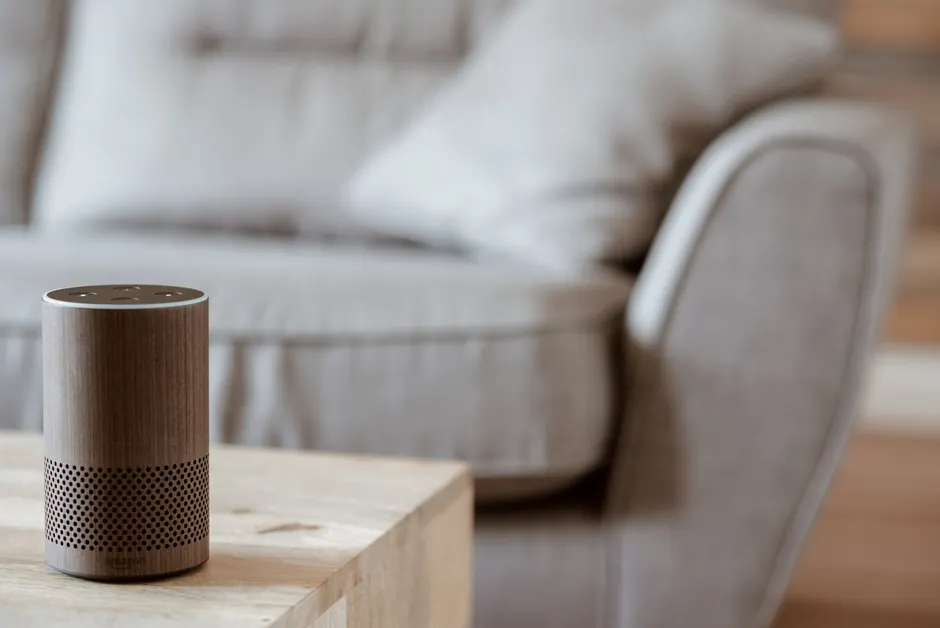
Amazon Pulls Alexa Voice Control for Echo Aux Line-In

Amazon has removed Alexa voice control of the 3.5mm aux input on older Echo devices. The company notified users on October 6, 2026 that voice commands to control an Echo device's aux input were no longer available as of that day, according to Ars Technica.
In practice, that means commands to play or pause audio arriving over line-in through the aux jack may stop working. An unnamed Amazon spokesperson confirmed the removal to The Verge. Amazon provided no on-the-record statement when contacted about the change, and its user-facing message offered no explanation for why the capability was withdrawn.
The message describes input only. It does not mention changes to audio-output functionality, such as connecting an external speaker to an Echo Dot. Control of the aux port from within the Alexa app's settings menu appears to still work.
The broader context here is the split between transport and control. The analog path appears intact as far as disclosed. What has changed is the hands-free control plane that sat on top of it. That distinction matters.
In my view, that distinction will determine how much this matters in daily use. For listeners who left a line-in source connected and relied on voice for basic transport commands across the room, the loss removes convenience. The fallback is manual. Open the app, navigate to device settings, and select the input there.
Looking at what this means for expert users and installers, the break is in automation and habit more than in capability. Voice routines that assumed play and pause would work for aux sources will need revision. Shared households will need to relearn a small interaction. The inconvenience concentrates in situations where hands-free was the point.
For a tech-literate audience, the implementation detail worth weighing is that app-side control persists. That suggests the underlying input selection has not been deleted outright. Voice intent mapping has been removed or disabled, while the settings path remains exposed. It is a familiar pattern in platform maintenance, to retire a voice grammar without refactoring the full stack beneath it.
I have watched my own household negotiate similar small regressions. My children grew up barking commands at speakers, then learned, almost without noticing, which commands were reliable and which required reaching for a phone. Users adapt quickly. The cost is not inability, it is friction in a use case that was specifically valuable hands-free, such as cooking or workshop listening where the phone is not in reach.
Over the longer arc, analog line-in on smart speakers was always a bridge. It let wired sources live inside a voice-managed system. That bridge is now narrower, but it is still present through the app and through output use that was not mentioned in the change notice. For owners of affected hardware, the practical step is simple. Test existing voice phrases, update any household instructions, and keep aux selection where it still functions, in software.