Endeavor Catalyst Closes $320M Fund V to Back Founders Outside the Hubs
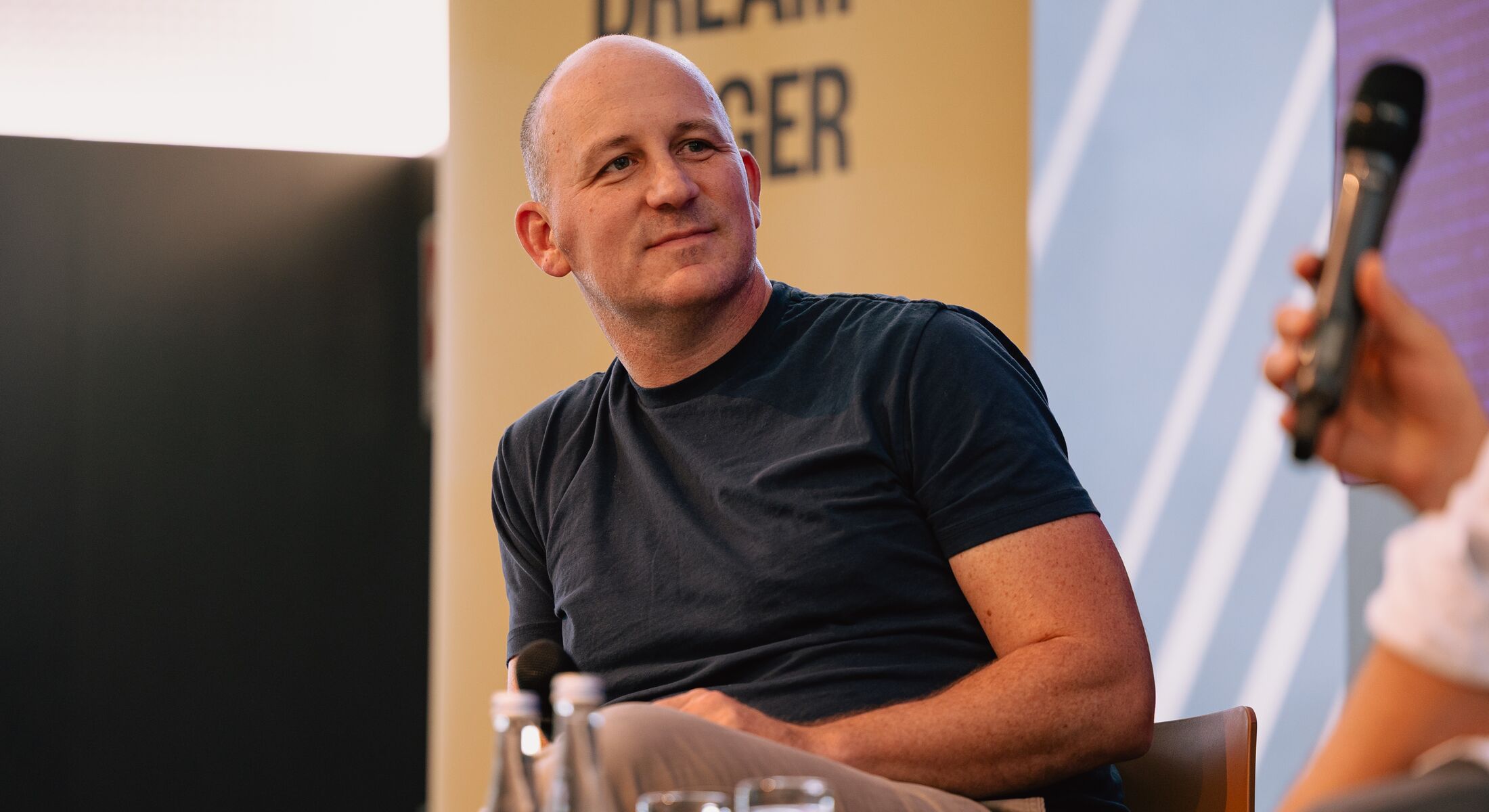
Endeavor Catalyst announced the final close of Fund V on October 7, 2026, with $320 million in capital commitments. The close was announced from New York as an oversubscribed fund.
Total assets under management now exceed $850 million. Across all five funds, the firm has backed 437 companies in 44 markets, according to the most recent reporting TechCrunch. The portfolio to date includes 39 exits and 11 IPOs, with 83 backed startups currently valued at $1 billion or more.
Endeavor Catalyst is the venture arm of Endeavor, a New York-based global nonprofit. Endeavor itself is the official general partner of the fund. Half of the fund's profits go back to Endeavor to support its nonprofit work.
Leadership sits with Allen Taylor, managing partner and a 20-year veteran of the organization, and Jackie Carmel, managing director who joined 12 years ago. The investment team totals 16 people.
How the fund invests
Fund V will operate on the same rules-based co-invest model as its predecessors. Endeavor Catalyst can invest when a founder in the Endeavor network raises at least $5 million in a round led by another institutional investor, joining on the same terms as the lead.
Checks usually run $1 million to $3 million and cannot exceed 10% of the round. The firm plans to make 40 to 50 investments annually and to back up to 150 companies altogether with the new fund. It expects to deploy an additional $25 million to $30 million over the remainder of 2026 Morningstar.
That structure removes proprietary sourcing and price-setting from the job description. Selection is delegated, in effect, to two filters. The first is admission to the Endeavor network. Last year Endeavor screened more than 10,000 candidates and selected 88. The network now includes more than 3,100 entrepreneurs in over 50 countries. The second filter is the lead investor willing to price and anchor a qualified round.
For technology operators, the appeal is straightforward. No board seat is being contested. No term sheet is being negotiated. The capital arrives alongside an institutional lead, with diligence already priced in. The constraint is pace. At 40 to 50 checks per year, deployment depends entirely on network companies clearing the $5 million threshold.
Why look outside the hubs
Endeavor has spent 30 years supporting founders outside major tech hubs. Fund V's $320 million is earmarked to back founders building in markets described as 'Elsewhere' Endeavor.
Europe has become Endeavor Catalyst's fastest-growing market. The firm did not disclose a regional allocation, but the direction of travel is toward founders in global markets who are building outside the concentration of capital in San Francisco and other established centers.
Older network data points to what that pipeline can produce over time. Endeavor entrepreneurs in Egypt, for example, raised $320 million in 2023 and generated revenue in excess of $1 billion, figures reported in 2024 as background on network scale rather than current fund performance.
The broader context here is worth spelling out for anyone who allocates or seeks venture capital. Co-invest funds live or die on deal flow quality and on discipline at the follow-on stage. Endeavor Catalyst outsources much of the first problem to its nonprofit pipeline and to independent leads. That keeps headcount low and avoids direct competition for allocation. It also ties performance closely to the health of Series A and Series B markets in regions where late-stage liquidity is thinner and cycles run longer.
In my view, the bet is less contrarian than it sounds. Talent has distributed faster than venture partnerships have. Remote tooling, cloud infrastructure and mature payment rails lowered the cost of starting a software company almost anywhere a decade ago. What remained scarce was early pattern recognition and trusted introductions to lead investors. A network that screens at scale and then co-invests on identical terms addresses that specific gap without claiming to replace local leads.
Worth flagging for founders is the qualification logic. Admission to a network does not guarantee capital. Capital follows a priced round led by someone else. That keeps incentives clean, but it also means companies that cannot attract an institutional lead do not trigger the mechanism, however strong their operating metrics.
For limited partners, the structure offers diversification by geography and vintage, plus a built-in link between returns and nonprofit funding. The risk is concentration in the same high-growth cohorts that lead investors favor, which can mute the diversification benefit in a downturn. The test for Fund V will be whether 150 positions sourced this way produce durable exits across cycles, not just markups in strong years.
If it works, the outcome that matters is practical. More founders outside established hubs get a fast, standardized yes once they have a lead. That does not fix hiring, regulation or exit markets. It does remove one bottleneck. Over a 30-year arc, removing bottlenecks of that kind is how technology ecosystems compound.


