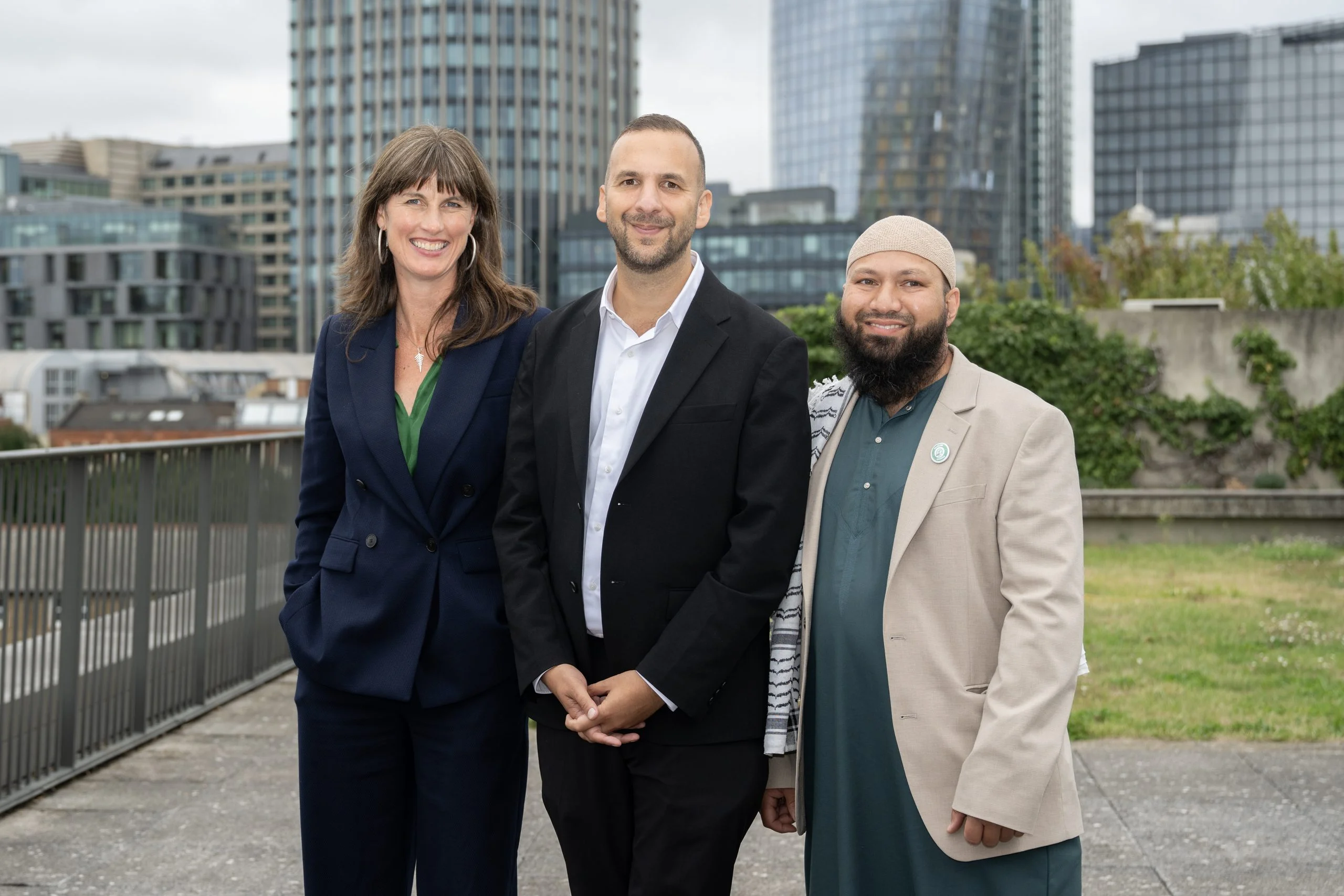
Holborn and St Pancras votes to replace Starmer as Greens target first London MP

Voting opened at 7am on Thursday 8 October 2026 in the Holborn and St Pancras byelection to elect the successor to Keir Starmer. Polls are scheduled to close at 10pm in the north London constituency, which Parliament lists as currently vacant.
The contest was triggered after Starmer stood down as an MP following his resignation as prime minister, according to The Guardian. Parliament records Starmer as last holding the seat from 4 July 2024 to 1 September 2026. Andy Burnham succeeded Starmer as prime minister in July. The Camden notice of election stated the poll would take place on 8 October 2026 if contested.
Labour's candidate is Sagal Abdi-Wali, the Camden Council leader. The Green candidate is Zack Polanski, leader of the Greens in England and Wales and a London Assembly member. The two were the first confirmed candidates in the race, the BBC reported. The Green Party is aiming to win its first MP in London in this contest.
Starmer won the seat with a majority of 11,500 at the 2024 general election, down from a majority of nearly 28,000 in 2019. The electorate is listed at 71,300. The leftwing independent candidate who challenged Starmer in 2024 is not standing again and has endorsed Polanski.
The demographics of the seat shape the tactical battle. About 45% of constituents were born overseas and about 48% are aged between 18 and 34. The Greens won several London councils in May's local elections. Polanski opened the Green Party conference with a call for a three-year "emergency brake" on private rent increases.
The national polling backdrop has shifted since the Greens' win in Gorton and Denton in February, when the party overturned a larger Labour majority than the one in Holborn and St Pancras. YouGov polling shortly after Gorton and Denton briefly put the Greens above Labour on a peak of 21%. The most recent YouGov polling cited on 8 October put the Greens on 11%, 16 points behind Labour.
The campaign's final days were marked by an internal dispute over Middle East policy. Green Party members voted to adopt a policy equating Zionism with racism and calling for Israel to be replaced by a single Palestinian state. Four out of five Green MPs condemned the policy. Polanski left the conference before the vote to resume campaigning.
Administratively, Camden Council said the RADA Studios polling station had been moved to Chamber 12, Bloomsbury Square, WC1A 2LP, with polls running 7am to 10pm on 8 October.
The broader context here is a test of two parallel claims. For Labour under Burnham, a hold in Starmer's former seat would stabilise the leadership transition after July and contain the argument that the party is losing its urban, young and diverse coalition. For the Greens, a second consecutive byelection gain from Labour after Gorton and Denton would sustain the case that the party can convert council-level advances in London into Westminster representation, including a first MP in the capital.
Looking at what this means for Westminster arithmetic and party strategy, the result will be read less as a verdict on a single constituency than as an indicator of fragmentation on the left. A narrow Labour hold leaves the Green surge narrative intact but unproven in London. A Green win would intensify pressure on Labour's electoral strategy in seats with similar demographic profiles, while also forcing sharper scrutiny of Green Party cohesion after the conference vote and the public break by four of its five MPs.