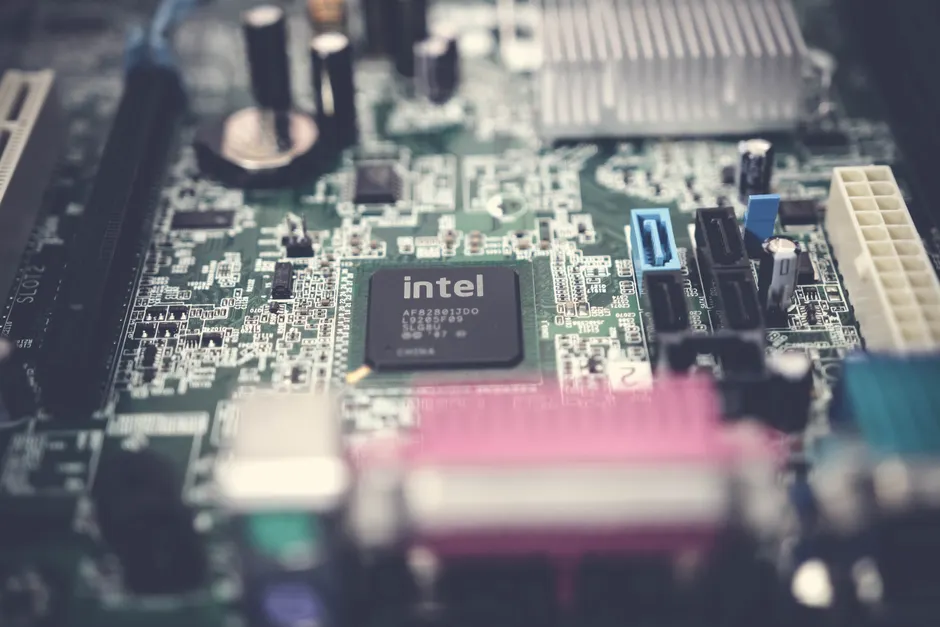
Intel Revives LGA 1700 With DDR4 Raptor Lake Refresh

Motherboard manufacturer Gigabyte reports that Intel is releasing new CPUs built on LGA 1700 sockets. Engadget
The socket has been in use since 2021. It supports both DDR5 and DDR4 memory, with board-level wiring determining which standard a given motherboard implements. That dual PHY capability is the technical foundation for what Gigabyte is describing.
The reported upcoming CPUs are expected to be Raptor Lake and Alder Lake refreshes configurable to use DDR4 RAM. In practical terms, that points to existing hybrid architectures, with Performance and Efficient cores and integrated memory controllers already validated for both standards, being respun for DDR4-specific board configurations rather than requiring new silicon architectures.
Intel Vice President Robert Hallock said Raptor Lake chips would be sticking around for years to come. He also said LGA 1700 is still a good socket and cited continued interest in DDR4 as a reason Intel will keep offering it.
The timeline under discussion extends into 2027. Tom's Hardware reported that Intel is preparing a return to DDR4 systems with CPUs called Raptor Lake Next, with the LGA 1700 DDR4 platform slated for the first half of 2027. A separate report describes the same family as Core 200 Raptor Lake Next CPUs launching in 2027 for the LGA-1700 socket, supporting both DDR5 and DDR4 platforms. VideoCardz
That would continue a long tail for the platform. Budget-focused Bartlett Lake-S was previously reported as Intel's fourth desktop LGA-1700 CPU series. The older-dated reporting on Bartlett Lake-S provides context for how many times Intel has already iterated on this socket for cost-sensitive desktop segments.
Demand appears to be part of the calculation. Motherboard manufacturers are increasing production of DDR4-based boards using the LGA 1700 socket. Intel says there has been a sudden inrush of demand for LGA 1700 chips due to DDR5 prices. Tom's Hardware
For forward-looking socket strategy, Intel's LGA-1954 socket is intended for Nova Lake and beyond. Intel could offer a minimum of three generations on the LGA-1954 socket. VideoCardz
Looking at what this means for platform planning, the interest here is less about microarchitecture and more about lifecycle economics. For IT buyers and system integrators, a familiar socket with mature chipsets, validated firmware, and existing DDR4 inventory lowers qualification cost. Memory can be carried forward. Boards can be requalified rather than redesigned. Thermal solutions and power envelopes stay within known bounds.
In this author's view, the move is best read as portfolio segmentation rather than a change in process roadmap. Leading-edge sockets will continue to track DDR5 and newer I/O, while LGA 1700 covers price-sensitive desktop, embedded-adjacent use, and replacement cycles where total bill of materials matters more than peak bandwidth. That split allows Intel to keep a depreciated platform in production while concentrating new development on Nova Lake and LGA-1954.
Worth flagging for procurement teams is the support question. Extended availability does not automatically mean extended feature parity. DDR4-configurable refreshes will suit fleets and budget builds that prioritize stability and cost per seat. Workloads sensitive to memory bandwidth, I/O expansion, or accelerator attach will still point to current DDR5 platforms. The long arc favors newer memory, but the useful life of installed DDR4 remains considerable, and keeping a socket alive to use it is a pragmatic choice.