Decoder: Kafka on Warner-Paramount Skydance Future
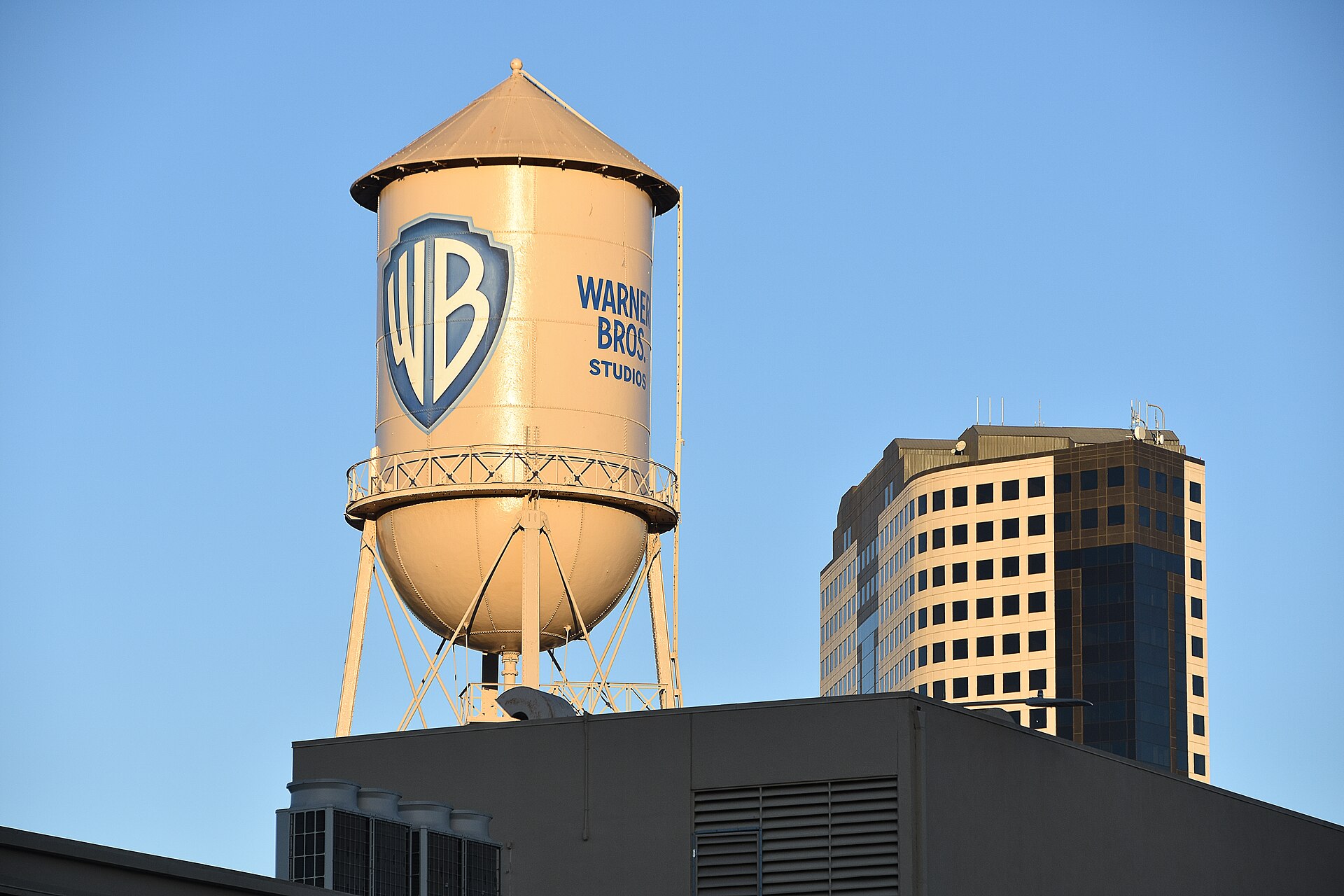
The Verge's Decoder published an Oct. 10 interview with Business Insider chief correspondent Peter Kafka on the Warner Bros.-Paramount merger and the future of the combined company called Skydance. The Verge The conversation centers on what the deal creates and where the new entity goes from here.
Paramount's acquisition of Warner Bros. Discovery closed on Oct. 6, 2026. Reuters The combined operation is called Skydance. David Ellison serves as CEO of Paramount Skydance. NPR Skydance is owned by Ellison, son of Oracle CEO Larry Ellison. The Verge
Kafka covers media and technology for Business Insider. Business Insider He is chief correspondent there and hosts the Channels podcast. His previous roles include Vox, Recode, AllThingsD and Forbes. Business Insider
Decoder is hosted by The Verge editor-in-chief Nilay Patel and features interviews with innovators and policymakers about business and technology. The Verge It sits alongside The Vergecast, described as the outlet's flagship daily podcast about small gadgets, Big Tech and everything in between, with Friday episodes hosted by Patel and David Pierce to discuss the week's most important technology news. The Verge
The broader context here is why a Hollywood merger leads a technology podcast. Content businesses are now technology operations in practice. Libraries, rights and brands matter, but so do encoding pipelines, content delivery, apps across platforms, identity and billing, and recommendation infrastructure. A merger changes the first set directly. It puts pressure on the second set to consolidate.
In my view, that is the right lens for a tech-literate audience. The editorial question is familiar. What gets kept, what gets merged, what gets retired. Engineers know that sequence. The interview format suits it, because Kafka's beat is the business logic behind those choices rather than the titles themselves.
Looking at what this means for people who build and operate platforms, the interest is structural rather than cinematic. Ownership determines priorities. Priorities determine roadmaps. A new name and a new chief executive do not by themselves simplify a stack built up through separate acquisitions, separate product decisions and separate contracts. Integration is work. It is slow. It forces tradeoffs between short-term continuity for viewers and long-term efficiency for the operator.
Worth flagging is the timing. The deal closed on Oct. 6. The Decoder discussion followed on Oct. 10. That four-day gap matters. It places the conversation after the legal fact of the merger and before operational answers are visible. For listeners, the value is not a verdict on success or failure. It is a map of the questions to track: leadership, strategy for the combined portfolio, and how a company named Skydance defines itself against both Hollywood incumbents and technology distributors.
The optimistic case, and one I hold lightly, is that consolidation can reduce fragmentation that frustrates users and complicates engineering. Fewer divergent apps and back ends can mean more attention on reliability, performance and discovery. That outcome is not automatic. It has to be executed, and media mergers have a mixed record on execution. Still, the long arc of distribution technology has generally moved toward broader access and lower friction, even when the business path was messy.