Sony to End Physical Disc Production for New Games in January 2028

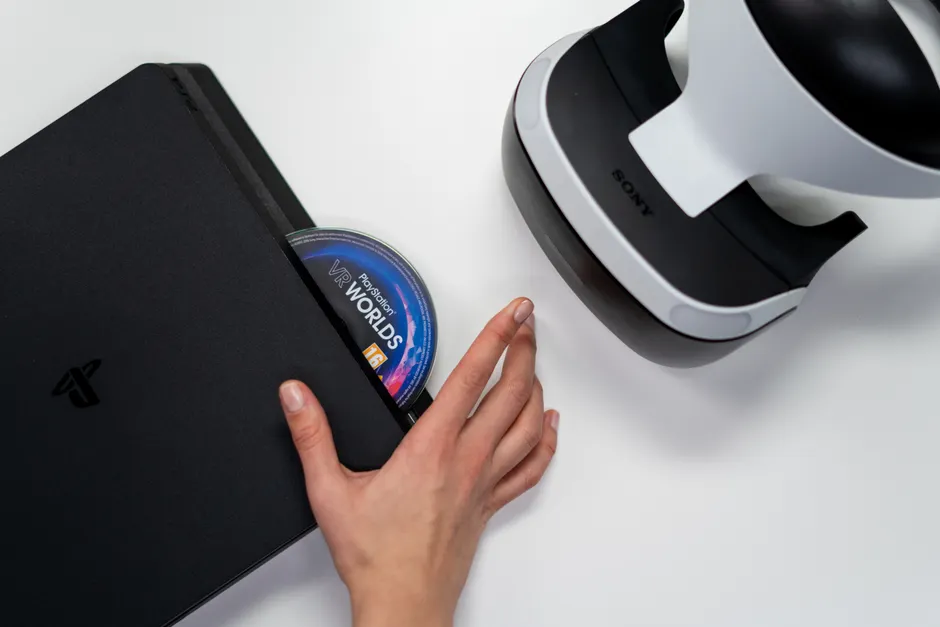
Sony will stop manufacturing physical discs for new PlayStation games from January 2028, the company announced on its PlayStation Blog on July 1, 2026, with Reuters independently confirming the same day.
The cutoff applies strictly to new titles. Sony was explicit that the change will have "no impact on games that already released, or will be releasing, prior to January 2028 in disc format." Publishers and developers also retain the ability to place re-orders for existing disc titles after the January 2028 deadline, though Engadget reported that Sony told partners its disc ordering process will change post-cutoff without specifying how.
The replacement mechanism for retail distribution is a digital code-in-box model. Sony has told developers and publishers it will provide the opportunity to release new games at retail using digital codes — a format already familiar from PC publishing and increasingly common on console storefronts. The shelf presence remains; the optical media does not.
The Infrastructure Behind the Exit
The clearest signal that this is a permanent structural decision rather than a policy revision sits in Sony's capital allocation. The company has invested millions of dollars to repurpose its PlayStation disc manufacturing facility in Salzburg, Austria — converting the line to produce optical microlenses rather than game discs. Retrofitting a factory is not a hedge; it is a commitment.
On the same day as the disc announcement, Sony published a separate notice that it will shut down the PlayStation Store for PS3 and PS Vita globally by July 2027. The two announcements are distinct in scope — one affects legacy storefronts for hardware generations that are more than a decade old, the other reshapes how all future PlayStation software reaches physical retail — but taken together they trace a consistent direction of travel.
What It Means for the Next Console Generation
The analyst community moved quickly to connect the dots. Daniel Ahmad, director of research and insights at Niko Partners, said Sony's disc announcement "pretty much confirms PS6 will be digital only," a conclusion that follows logically from the factory conversion timeline: if disc production ends in January 2028 and a next-generation console typically launches with a multi-year software tail, building disc-drive hardware into that platform would serve a shrinking and eventually exhausted catalogue.
Sony itself has been moving incrementally in this direction. The PS5 launched with a disc-free Digital Edition variant at a lower price point, and the platform holder has steadily grown its digital attach rate as broadband penetration has deepened across its key markets. The Salzburg factory decision converts that gradual trend into fixed infrastructure.
Worth flagging for publishers and platform observers: the unspecified changes to the post-2028 re-order process are the detail most worth watching. Sony has confirmed re-orders will still be possible for pre-cutoff titles, but the mechanics — minimum run sizes, lead times, pricing — remain undisclosed. For smaller publishers who depend on reprints to service collector and retail tail demand, those terms will matter considerably. The code-in-box model also shifts fulfilment economics; a retailer's margin calculus on a card containing a download code is different from one on a pressed disc, and how that plays out in shelf allocation decisions is not yet clear.
The physical game market is not disappearing overnight. Collectors, gift buyers, and consumers in markets with bandwidth constraints have sustained disc sales well past every predicted expiration date. But Sony's January 2028 line in the sand — backed by a converted factory — means the window for new physical releases on PlayStation platforms has a defined close. Developers and publishers now have roughly 18 months to plan their last disc launches and negotiate whatever the new re-order terms turn out to be.