Russia Strikes Kyiv With Ballistic Missiles and Drones, Killing Eight, on Eve of NATO Summit

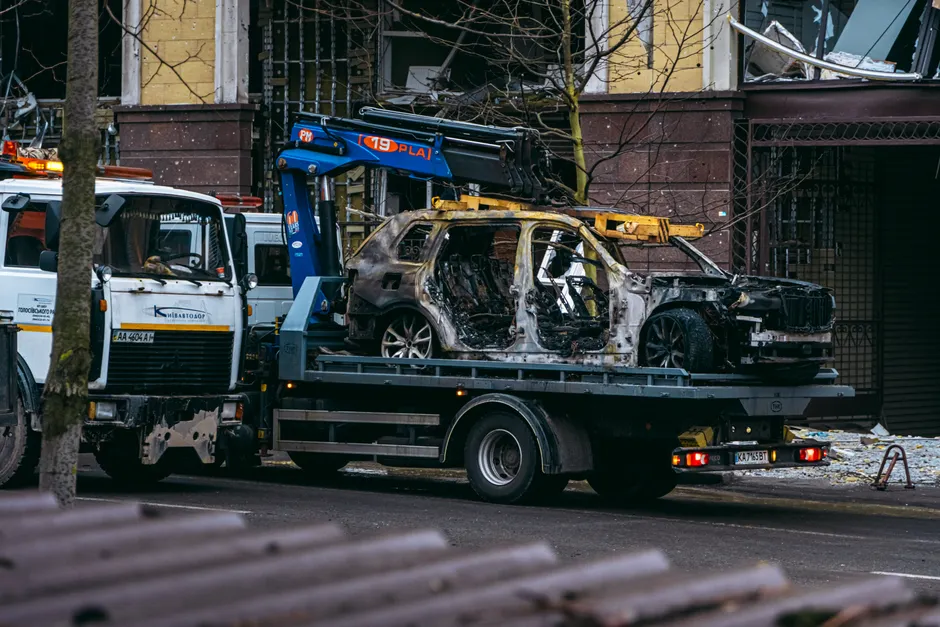
Russia launched a combined ballistic missile and drone assault on Kyiv and its surrounding region on Monday, July 6, 2026, killing at least eight people and wounding 34 others — the second such attack on the Ukrainian capital in less than a week, timed to land the night before NATO allies convene in Ankara.
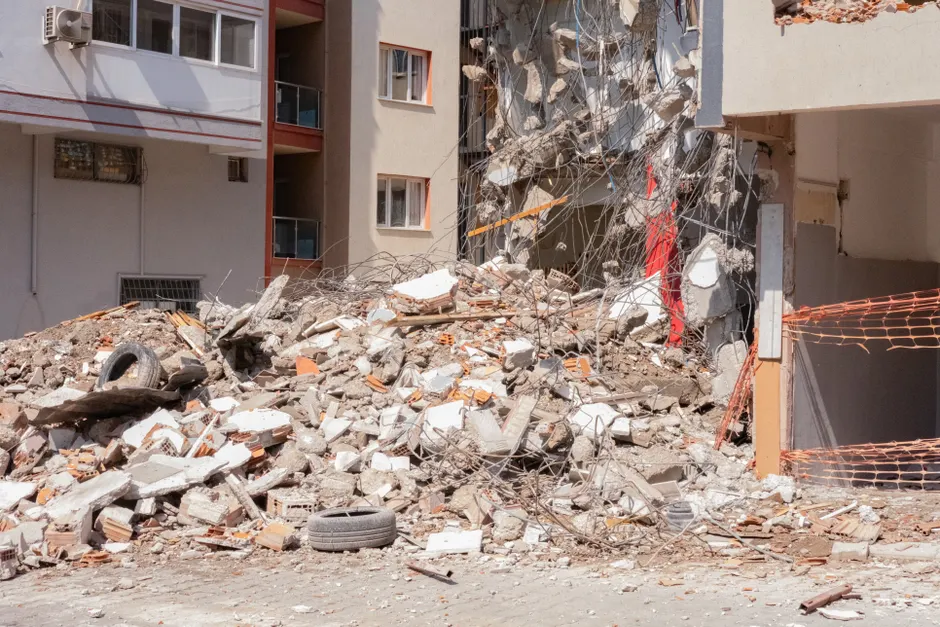
Seven of the dead were in Kyiv city itself; the eighth was killed in Bucha district, according to The Guardian. Tymur Tkachenko, head of the Kyiv region's military administration, confirmed via Telegram that "the enemy is striking with ballistic missiles," and reported that both apartment blocks and other residential buildings were hit. Mayor Vitali Klitschko said rescue crews were pulling survivors from the wreckage while air defences remained active, urging residents to stay in shelters.
The assault is the second on Kyiv within six days. The July 1–2 attack — also a combined missile-and-drone strike — killed at least 27 people, prompting Klitschko to declare a day of mourning in a city of roughly three million, per Reuters. The recurrence at this tempo is notable: two mass-casualty strikes on the capital inside a single week is an escalation in both frequency and political signalling, not merely in firepower.
The Ankara Timing
The calendar alignment is not incidental. NATO's summit in Ankara was scheduled to open on Tuesday, July 7 — meaning Russia delivered this barrage in the overnight window immediately preceding the opening session. Alliance summits have historically functioned as coercive pressure points for Moscow: strikes timed around high-visibility Western gatherings carry a dual audience, both the Ukrainian population and the heads of government assembling to discuss Ukraine's security.
At Ankara, the central questions will inevitably include Ukraine's air-defence capacity, long-range strike authorisations, and the pace of weapons deliveries. Russia's use of ballistic missiles — harder to intercept than cruise missiles or Shahed-type drones and with shorter engagement windows for air-defence systems — will give allied defence ministers concrete, fresh data on where Ukraine's layered air-defence architecture is still porous. The strikes will also test the political cohesion of an alliance that has repeatedly framed Ukraine's defence as central to European security.
Pattern and Stakes
The back-to-back-week pattern matters operationally and diplomatically. Operationally, sustained high-tempo strikes on Kyiv stress Ukraine's interceptor magazines — particularly the stocks of Patriots and NASAMS that cover the capital — and force triage decisions about which threats to engage. Ballistic missiles place the heaviest demand on those inventories; drones can be handled by shorter-range, cheaper systems, but pairing the two forces defenders to manage competing intercept queues simultaneously.
Diplomatically, the optic of Kyiv burning on the eve of a NATO summit hands Ukrainian President Volodymyr Zelensky a live argument for expanded air-defence packages and potentially for further relaxation of restrictions on the use of Western-supplied long-range systems against Russian launch sites. Whether allied governments use the Ankara summit to move on either front is now the immediate open question.
Russia has not publicly commented on the July 6 attack, consistent with its standard practice of neither confirming nor characterising strikes on Ukrainian civilian infrastructure in real time. Ukraine's casualty figures are sourced from Ukrainian officials and have not been independently verified. The death toll may rise as search-and-rescue operations in damaged residential blocks continue.