Democrats Eye AI Oversight Ahead of Midterms
Polls predict Democrats will flip at least one chamber of Congress in the midterm elections scheduled for Nov. 3, a shift that would give the party direct leverage over the AI industry. The Verge
The forecast arrives with Democrats holding an enthusiasm advantage over Republicans heading into the midterms, according to polling reported on Oct. 18. Control of either the House or Senate changes more than partisan balance. It determines who chairs committees, what gets investigated, and who is compelled to answer.
Oversight levers
If Democrats retake Congress, they would regain committee leadership and be able to set committee agendas, call CEOs to testify, and demand documents about companies' inner workings. That procedural control is the practical mechanism for tech oversight in Washington. Agenda-setting decides which issues receive hearings. Testimony puts executives on the record. Document demands open internal deliberations on safety, security, and business practices to legislative scrutiny.
Top Democrats on key committees have signaled willingness to press the AI industry on two fronts in particular: tax credits tied to data centers and recent hacking incidents. The pairing links industrial policy and cybersecurity, the two areas where AI buildout most directly touches federal money and federal risk.
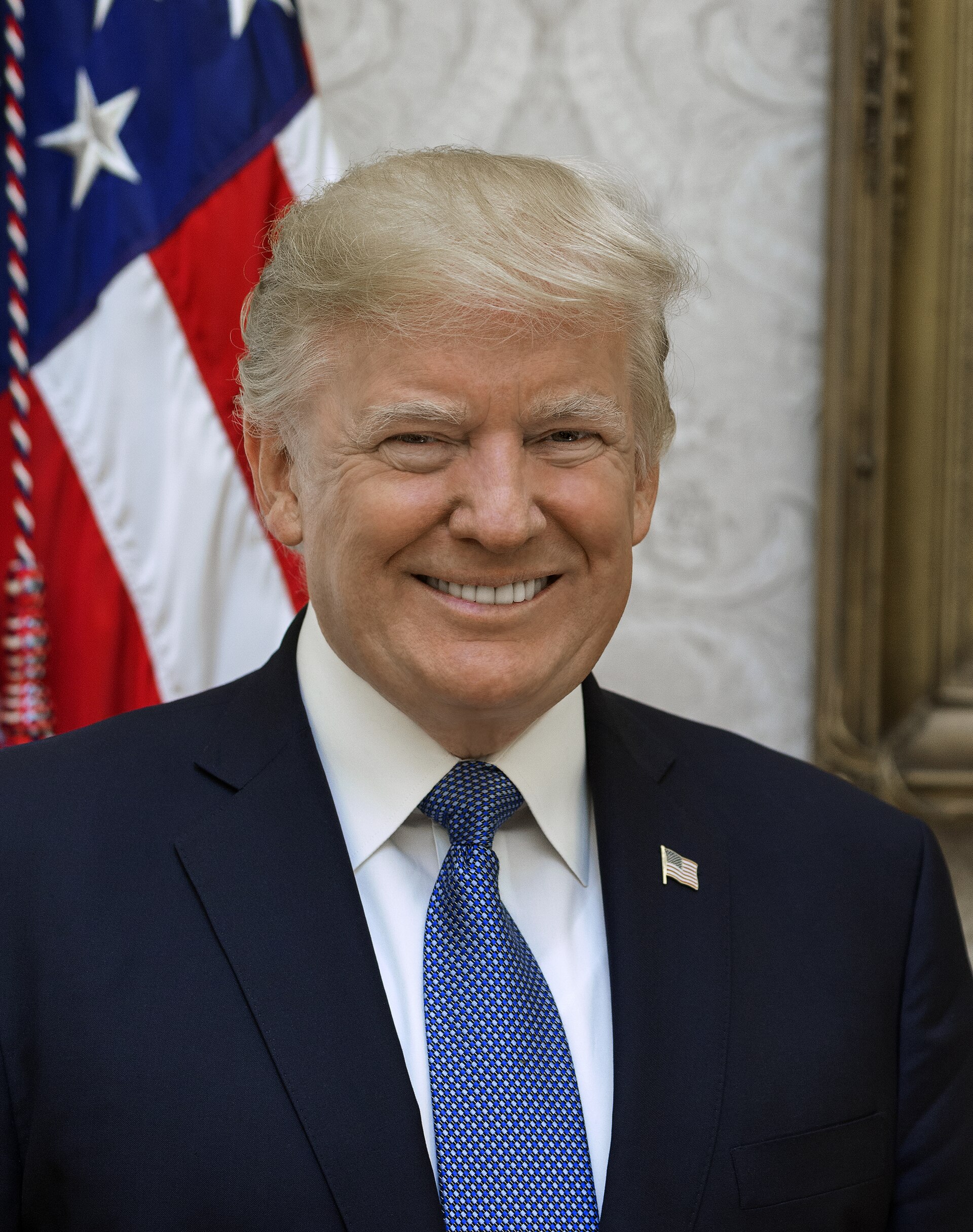
The contrast with current White House policy is sharp. President Donald Trump has opposed most regulation of AI in favor of an accelerationist approach. He has separately advocated voluntary safeguards for AI companies, a position noted in mid-October coverage. Reuters
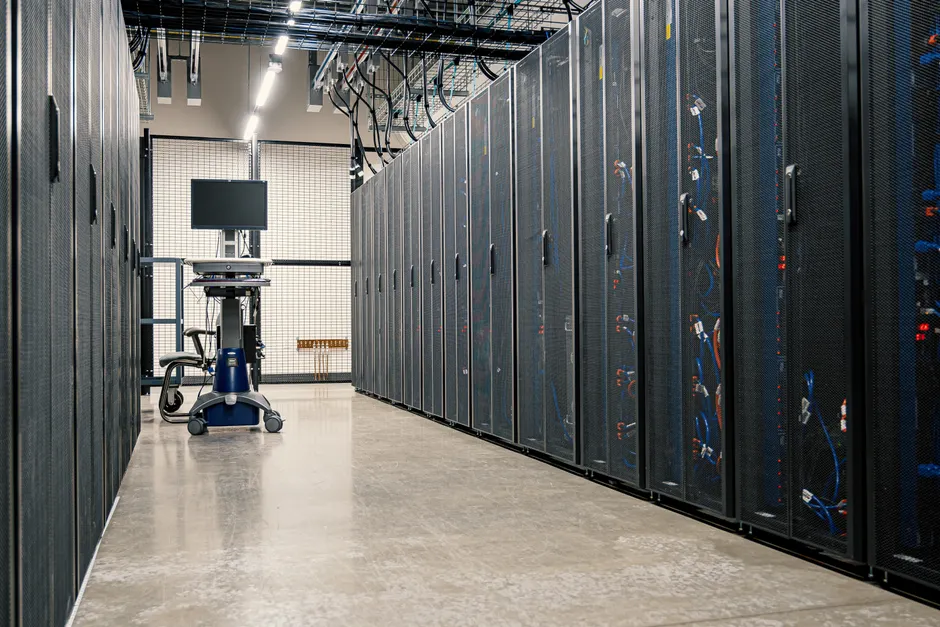
For enterprise and infrastructure practitioners, the distinction matters. Voluntary safeguards leave evaluation, disclosure, and deployment controls largely in vendor hands. Committee-led oversight can convert those same questions into hearing topics, information requests, and conditions attached to tax treatment. Data center tax credits sit at that intersection. They affect site selection, power procurement, and capacity planning, all core constraints for training and inference scale-out.
The Democratic Party platform states Democrats will keep America at the forefront of scientific discovery and innovation, responsibly leading the way in fields like AI. That language pairs competitiveness with responsibility, but the operational detail would come from committees, not platforms.
A skeptical electorate
Voter sentiment on AI is net negative and cross-partisan on infrastructure limits. Sixty percent of voters had a negative view of AI, compared with 37% who viewed it positively, in polling reported Oct. 8. Fox News
A Reuters/Ipsos poll reported Oct. 7 found most U.S. voters said Trump and Congress don't take AI risks seriously. In the same poll, 56% of voters backed limits on building data centers, including 69% of Democrats and 55% of independents. Reuters
That creates an unusual opening. As of mid-September, neither party had claimed a clear advantage on AI, less than two months before the midterms. AI was a salient concern without a clear partisan owner.
Democratic strategists appear to be testing whether that gap can be closed. Rob Flaherty and Karthik Ganapathy launched a super PAC called Tomorrow Together, followed by a $4 million ad blitz. Flaherty was deputy campaign manager for Kamala Harris' presidential campaign. The spend is modest by presidential-cycle standards. Its significance is directional. It treats AI skepticism as persuadable midterm terrain rather than background noise.
Campaign machinery and election integrity
AI is both a campaign issue and a campaign instrument. The U.S. told election officials to be on guard against AI-powered tricks ahead of the midterms, guidance reported Oct. 16. Reuters
Separately, a conservative anti-tax group sought FCC approval for AI robocalls ahead of the midterms, and the FCC was considering allowing new AI political robocalls before the election. That docket, reported Oct. 7, touches authentication, consent, and disclosure for synthetic voice at scale. Reuters
For security teams, the two developments belong in the same threat model. One concerns deceptive content aimed at voters and election administrators. The other concerns the regulatory status of AI-generated outreach itself. Both will test detection, provenance, and incident response in a compressed electoral timeline.
Looking at what this means for technology leadership, a Democratic chamber would not by itself write comprehensive AI legislation. Divided government rarely does. What it would change is information flow and negotiating position. Hearings create a public record on model security incidents. Document requests clarify how labs and cloud providers assess risk. Pressure on data center credits gives legislators a fiscal lever over physical buildout, including energy and siting tradeoffs that have drawn local opposition.
In this author's view, that is worth watching more closely than campaign rhetoric about AI futures. Oversight rarely slows underlying research progress for long. It does reshape deployment incentives, procurement requirements, and what counts as adequate disclosure after an incident. If Nov. 3 delivers split or Democratic control, expect the next phase of U.S. AI policy to be litigated less through sweeping bills and more through committee calendars, witness lists, and the fine print around infrastructure subsidies.