CoreWeave's 25% Weekly Plunge Puts AI Leverage Back on the Screen
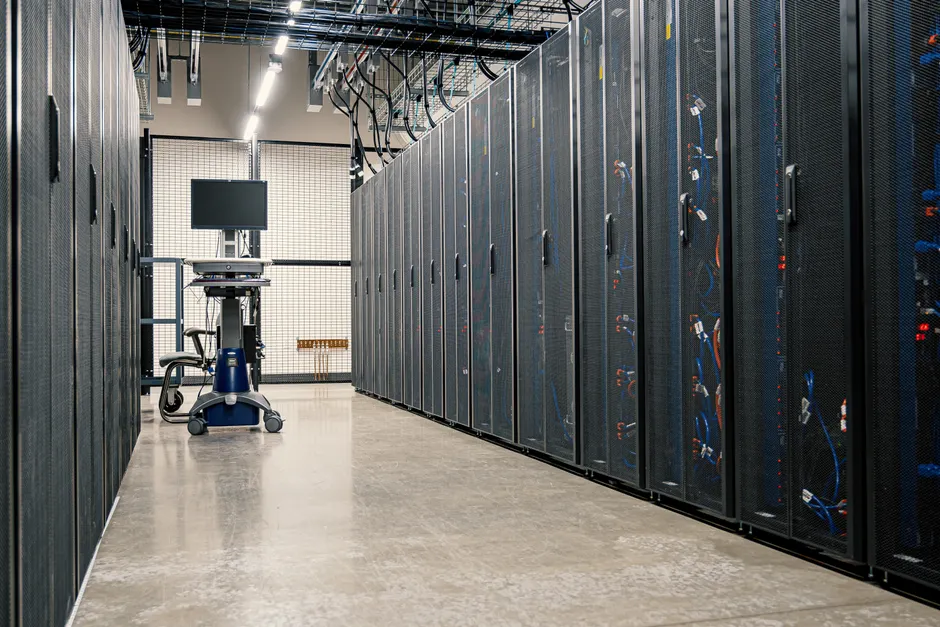
CoreWeave lost almost 25% in a week in mid-October after a surge in its bond yields refocused the market on its leverage. The drawdown left the equity down about a quarter of its market value in the week before October 19 on AI-debt fears. Yahoo Finance Yahoo Finance
The price action was concentrated on October 15 and 16. A selloff in U.S. technology stocks and their bonds intensified on Thursday, October 15, amid high borrowing costs. Reuters CoreWeave slipped as much as 8.3% during trading on October 15 to its lowest level since May 2025, then rebounded to trade up 5% after that intraday low. Reuters
The bounce did not hold. CoreWeave shares fell more than 11% on Friday, October 16. Reuters The surge in bond yields reignited concerns over its debt-funded growth model. Yahoo Finance
Filings reported on October 16 showed CoreWeave's CEO sold nearly $1 billion of stock since the company's IPO. Reuters
CoreWeave was established in 2017 and completed its public listing on Nasdaq under ticker CRWV in March 2025. It brands itself as "The Essential Cloud for AI." CoreWeave Investors The company issued a Second Quarter 2026 results announcement titled "CoreWeave Reports Strong Second Quarter 2026 Results" on August 11, 2026, and hosted a Second Quarter 2026 Earnings Conference Call. CoreWeave Investors CoreWeave Investors
In its First Quarter 2026 results for the quarter ended March 31, 2026, CoreWeave reported revenue backlog reaching nearly $100 billion and surpassing 1 GW of active power. CoreWeave Investors
Sell-side coverage into the selloff skewed constructive on the equity but cautious on the multiple. Morgan Stanley reiterated CoreWeave stock as Equal Weight with a price target of $99. Yahoo Finance That followed an increase to $99.00 from $91.00 while maintaining an Equalweight rating in November 2025. Investing.com Earlier coverage in April 2025 had Morgan Stanley at Equal-weight with a price target of $46, Needham at Buy with a price target of $55, and Stifel with a price target of $55. Reuters
The broader context here is a joint equity-credit repricing, not an equity-only de-rating. When secondary yields on an issuer jump while the stock falls in the same session, the market is repricing term funding cost and rollover risk alongside growth. For a capex-intensive, debt-funded model, that combination tightens financial conditions from both sides. Higher spreads raise the hurdle rate for incremental capacity, while a lower equity price raises the dilution cost of any equity offset to debt.
In my view, the variables to isolate are conversion, duration and funding mix. Backlog of nearly $100 billion frames contracted demand, but credit focuses on timing of cash conversion, counterparty concentration, utilization, and the tenor and covenants attached to the buildout. Active power above 1 GW frames scale, but power is also a fixed-cost commitment that cuts both ways if utilization or pricing softens. The October 15 intraday pattern, an 8.3% slide to a post-May low followed by a 5% recovery, then an 11%+ decline the next session, points to position covering inside an ongoing reassessment rather than a cleared level.
Looking at what this means for holders of AI credit and equity, insider monetization adds a signaling layer without settling the solvency question. Nearly $1 billion in CEO sales since the IPO will be read by some desks as diversification and by others as timing. The cleaner test is whether operating cash flow and contracted backlog can fund the next tranche of power and compute without continuous external financing at wider spreads. Until that funding path is clarified, both the bonds and the stock are likely to trade as proxies for AI capex credit appetite, with borrowing costs as the transmission channel.


