AI Debt Fears Hammer Neoclouds, Then Fuel a Tactical Bounce

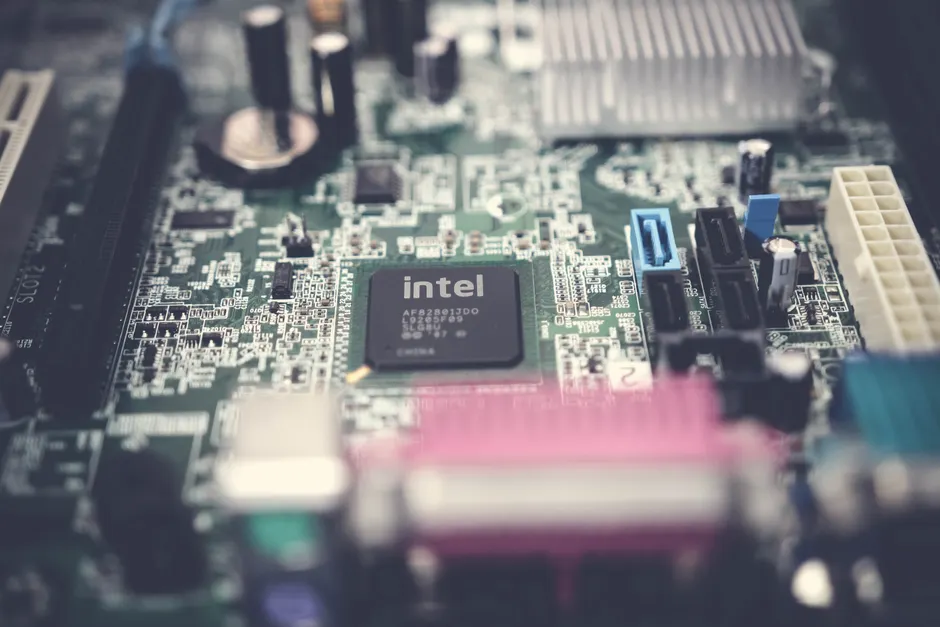
Wall Street futures climbed on October 19, 2026, as AI-linked and chip stocks bounced back from a heavy prior week. The Nasdaq climbed more than 1% as AI-linked stocks recovered, with Intel shares rising in the early move. Yahoo Finance Goldman Sachs gave CoreWeave a 'buy' rating ahead of the rebound. Reuters
The bounce followed a sharp pullback from chipmakers and other technology companies amid concerns about debt taken on to build out AI. Yahoo Finance U.S. stocks fell amid fears that artificial-intelligence profits would not arrive soon enough to meet increasingly expensive credit costs. The Wall Street Journal
As of October 16, 2026, the S&P 500 remained up about 12% in 2026 after hitting a record high the previous week, with most of that gain coming from AI-related tech stocks. Reuters Concentration cuts both ways. A narrow cohort drove the index higher, which left the index exposed when credit concerns repriced that cohort.
The stress centered on neocloud capacity. CoreWeave and Nebius both closed out the trading week ending October 16, 2026 down more than 25%. Yahoo Finance CoreWeave shares fell more than 11% on Friday, October 16, 2026, taking weekly losses to nearly 25%. Reuters Shares of CoreWeave fell 12% and were down more than 50% from their highs earlier in 2026 amid concerns about its ability to pay down debt. The Wall Street Journal CoreWeave carried a $50 billion debt load that fueled worries behind its share selloff. Yahoo Finance
The broader context here is duration mismatch, not just leverage levels. AI infrastructure requires upfront debt-funded capex against back-ended, uncertain cash conversion. Credit markets price refinancing risk and covenant headroom. Equity markets price terminal growth and operating leverage. When funding costs rise or utilization timelines slip, those two discounting functions diverge fast, and high-beta, debt-heavy vehicles reprice first.
Looking at what this means for market structure, the key variable is cash timing versus maturity wall. For levered AI capacity providers, contracted backlog, utilization rates, and tenor matter more than headline revenue growth. For the broad index, the question is crowding. With year-to-date performance still concentrated in AI-related names, rotations out of chips and neoclouds mechanically drag beta, factor momentum, and options hedging flows. That explains why a single-issuer credit concern can read across to the whole complex.
In my view, the October 19 rebound does not resolve the underwriting question. A 'buy' rating changes sentiment positioning. It does not change coupon, maturity, or the capex-to-cash lag. Professionals should separate the trading bounce from the credit thesis. Watch funded debt relative to contracted cash flow, incremental borrowing costs on new tranches, and whether hyperscale capex remains debt-financed at the margin. If AI monetization accelerates, spreads can compress and equities can re-rate quickly. If not, volatility will keep clustering where leverage is highest.