iRobot's First Non-Robot Roomba: The $399 Electro Plus Hard-Floor Cleaner

iRobot has introduced the Roomba Electro Plus, a $399 hard-floor cleaner that, for the first time in the company's history, is not a robot The Verge. The device is a manually operated, cordless 5-in-1 unit that vacuums, mops, and disinfects hard flooring — no autonomous navigation, no mapping, no docking-and-scheduling routine. The user pushes it.
The headline feature is the water treatment. The Electro Plus uses electrolyzing technology, developed by iRobot's parent company Picea, to convert ordinary tap water into what iRobot describes as a commercial-grade disinfectant, claimed to kill 99.9% of bacteria, viruses, fungi and other germs The Verge. That puts the machine in territory closer to wet-dry cleaning appliances like Tineco or Bissell's CrossWave line than to anything iRobot has sold under the Roomba name before. It has a self-cleaning roller mop and a small propulsion motor to ease pushing, and its charging dock washes and dries the mop head with hot water and hot air between uses. The water tank, however, is manual: users drain, clean, and refill it themselves, a maintenance step the rest of iRobot's current lineup has spent years engineering away.
That contrast is the real story here. iRobot built its brand on removing the human from the cleaning loop — mapping rooms, avoiding obstacles, emptying its own bin, more recently washing its own mop. The Electro Plus reverses that proposition entirely, betting that a segment of buyers wants the disinfecting chemistry without the subscription-adjacent complexity, price premium, or trust requirements of autonomy. For a fixed hard-floor footprint at $399, that is a different value pitch than a robot that costs more and needs a map of your kitchen.
Five new robot models arrive alongside it
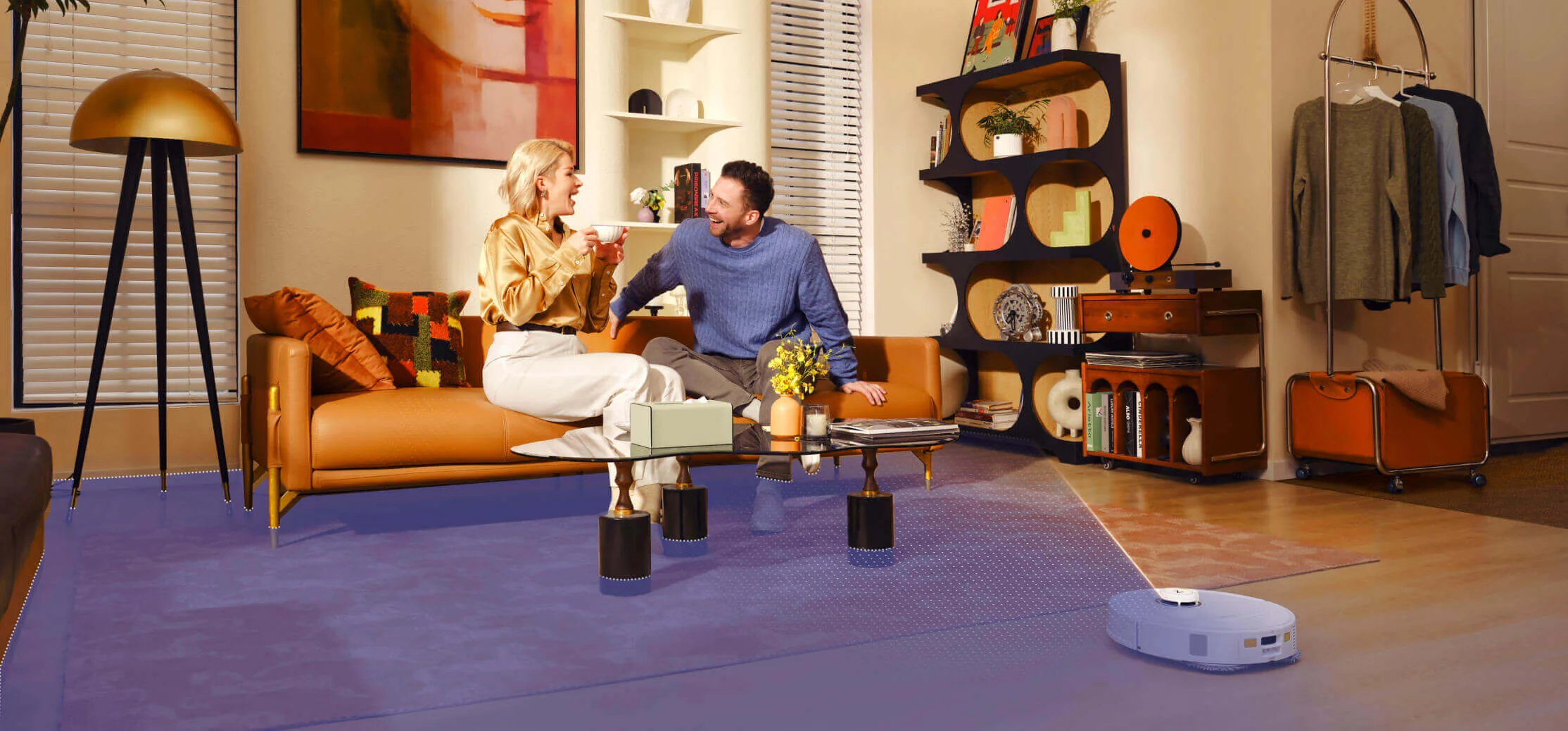
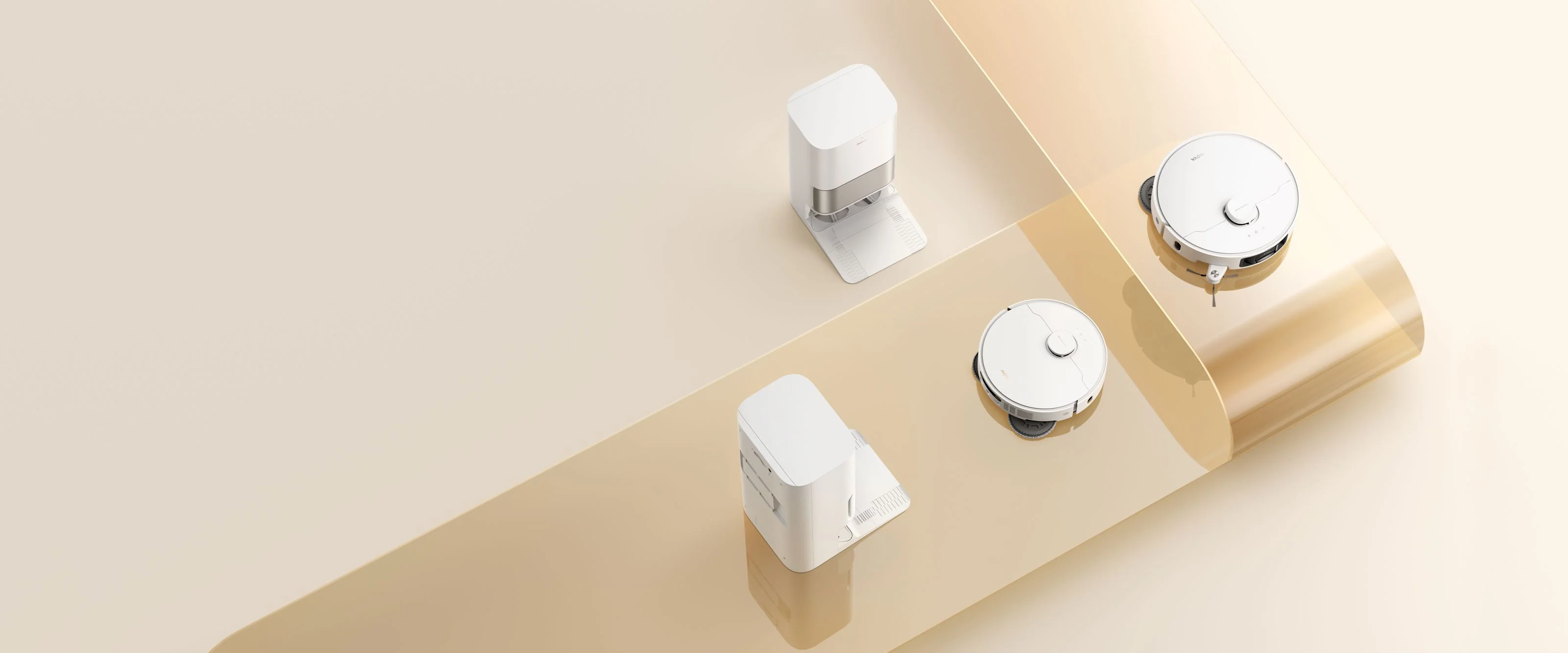
iRobot paired the Electro Plus launch with five new Roomba robot vacuum models for the US market, all featuring higher suction, smaller footprints, and lower prices relative to their predecessors The Verge. These same five models debuted in Europe in May 2025, meaning the US rollout is a market-sequencing exercise rather than a new product cycle.
The top of that range is the Roomba Max 775 Combo Robot + Auto Wash Dock at $999.99, an upgrade to the previously released Max 705 Combo The Verge. The 705, per iRobot's own press materials, offered 175x more suction power, heated mopping, and a cover to protect carpet from wet mop contact — the baseline the 775 is presumably built on, though iRobot has not detailed exactly what changed between the two SKUs. Below that sits the Roomba Plus 505 Combo, bundled with the AutoWash dock at $599 per iRobot's own site, and the Roomba 105 Vac, sold with an AutoEmpty dock. All of it now sits alongside the lidar-based Roomba lineup iRobot introduced in 2025, which was itself manufactured in partnership with Picea.
The Picea relationship is the structural backdrop
Picea is not a new supplier relationship — it was iRobot's original device manufacturer (ODM) before acquiring the company outright in 2025 following iRobot's bankruptcy The Verge. That acquisition explains why iRobot's product cadence over the past year looks different from the SoftBank-then-Amazon-then-independent path the company took through the 2010s: the manufacturer that used to build Roombas to iRobot's spec now owns the brand and is setting the roadmap, including apparently pushing iRobot into non-robotic product categories it never previously touched.
Gary Cohen remains CEO of iRobot through this transition iRobot, and the company, still headquartered in Bedford, Massachusetts, has kept up a steady release cadence post-bankruptcy: a UK and Europe launch of the compact Roomba Mini in March 2026, designed for tight spaces larger robots struggle to reach, followed the completion of a court-supervised restructuring transaction that January iRobot press releases.
The broader context here is a company diversifying its floor-care line beyond the robot form factor entirely, likely to capture buyers who were never going to pay for autonomy in the first place — renters, smaller households, or anyone skeptical of letting a networked device roam an apartment unsupervised. It is a pragmatic hedge for a company that has spent a decade selling the promise of the self-cleaning home, and it costs iRobot little to test: the electrolyzing chemistry is arguably the more durable IP here than the vacuum shell around it, and Picea can iterate the housing cheaply once the water-treatment core is proven. Whether buyers actually want a Roomba that requires pushing is, at $399, a low-stakes experiment.