Apple Caps iPhone Duo Orders at Two Per Customer as Ship Dates Slip to 2027

Apple has limited iPhone Duo purchases to a maximum of two units per customer. The cap is enforced on its online stores in the United States, Japan, Spain and the United Kingdom. Engadget The restriction was visible on October 20, four days after pre-orders began.
Enforcement happens in the cart. Shoppers attempting to check out with more than two units see the notice: "A maximum of 2 iPhone Duo can be purchased per customer. Please adjust the total quantity of iPhone Duo in your order before checking out." The checkout does not proceed until the quantity is reduced.
Apple started taking iPhone Duo pre-orders on October 16. Shipping dates were pushed back to 2027 soon after pre-orders started. That puts the purchase limit and the extended lead time in the same opening window. Supply is tight. Access is controlled.
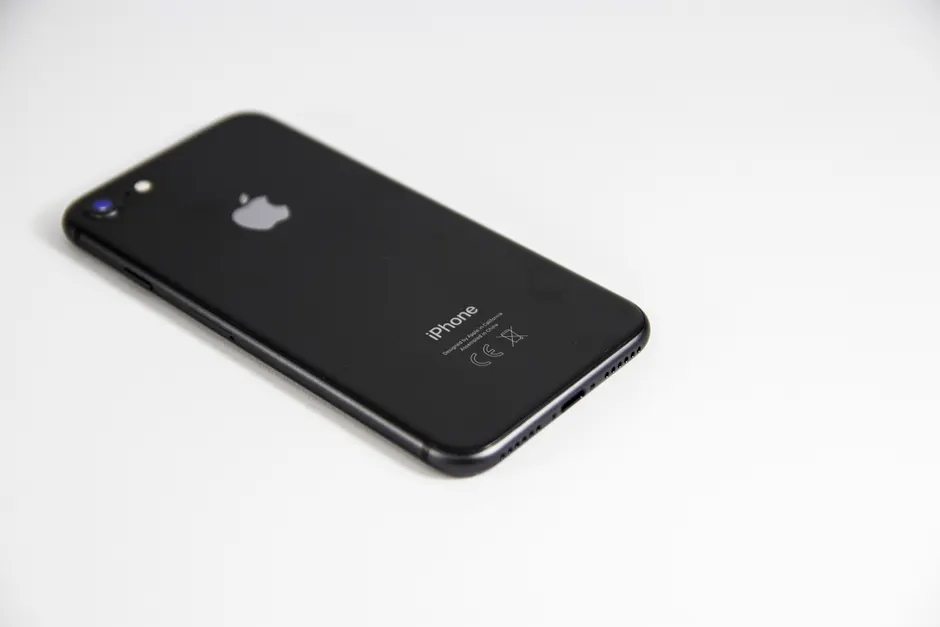
The device itself is a thin, foldable design with the largest iPhone display ever, according to Apple. Apple Imaging is provided by a 48MP Dual Fusion camera system. Compute is provided by the A20 Pro chip. Those four attributes define the hardware baseline for developers and accessory makers.
On configuration and purchase, iPhone Duo is available in star white and night sky. It starts at $1,999 in the U.S., or $83.29 per month for 24 months. Apple Newsroom Storage options are 256GB, 512GB and 1TB. It can be purchased in-store and online. Apple Newsroom
The commercial terms include additional constraints. The offer is limited to one trade-in per qualifying purchase and one credit per line. Apple set out those terms in an update titled "Open up to new possibilities with iPhone Duo" published on October 15.
Separately, Apple Store employees are being told to issue a warning to customers amid iPhone Duo pre-orders. PhoneArena That report was published on October 18. The verified facts do not specify the exact wording employees were instructed to use.
The broader context here is allocation under constraint. Per-customer caps are a familiar mechanism for distributing early inventory when order intake outpaces immediately shippable units. They do not create additional supply. They spread available units across more buyers and keep queue behavior orderly. For teams provisioning hardware for testing, two units is enough for compatibility and performance validation across storage tiers. It is not enough for staged deployment.
In my view, the cart-level implementation is the operational detail that matters most. A hard stop at checkout, tied to the customer rather than the individual order, reduces duplicate ordering and repeated trade-in claims without adding steps for ordinary buyers. Paired with one trade-in per qualifying purchase and one credit per line, it keeps each transaction discrete at a point when fulfillment systems are under load. That is pragmatic store operations, not product strategy.
Worth flagging for technologists, the longer term interest lies past the cap. A foldable form factor with a larger display area, new Pro silicon and a revised imaging pipeline changes layout targets, multitasking assumptions and media processing paths. Purchase limits ease as throughput improves. The software work built against that hardware baseline carries forward, which gives developers reason to treat the current fulfillment delay as scheduling noise rather than signal.