X Launches iOS Video Editor to Push Creators Toward Original Content

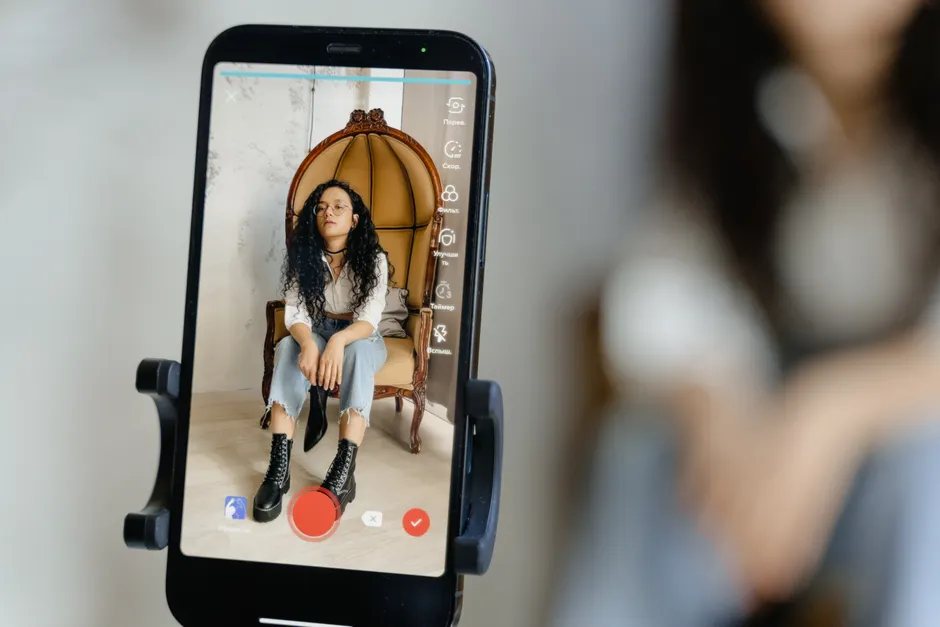
X is rolling out a native video editor and recording toolkit for iOS, aimed at pushing creators toward original video rather than reposted clips lifted from elsewhere. The features include multi-language caption overlays with customizable styling, and green-screen tools that composite footage against photos pulled from a user's camera roll or from existing X posts TechCrunch.
Nikita Bier, X's head of product, announced the update in a post on the platform on July 6, 2026 x.com/nikitabier. Bier framed the release around a specific complaint: that a substantial share of video posts from top-performing accounts on X are not original but recycled material, in some cases resurfacing content that first went viral as much as five years earlier TechCrunch.
"Functional" was the word Bier used to describe the goal of the new editor — not a feature checklist for its own sake, but tooling robust enough that creators have a reason to shoot and edit directly on the platform instead of importing a video that already exists somewhere else. Bier also said more updates to the video editor are coming in the following weeks, suggesting this release is an opening move rather than a finished product TechCrunch.
The stakes for X are quantified in the same announcement: video now accounts for close to half of all impressions on the platform, according to Bier. That figure gives the repost problem more weight than it might otherwise carry. If a large fraction of the platform's attention is flowing to video, and a meaningful portion of that video is unoriginal, X has both a product incentive and a monetization incentive to change the calculus for creators.
The mechanics of the incentive are familiar from a decade of platform economics. Native creation tools lower the friction of producing content that a platform can claim, index, and monetize as first-party — as opposed to content that merely transits through the platform after being captured and edited elsewhere, frequently without attribution back to the original creator. Caption overlays with multi-language support also serve a secondary function: they make clips more legible in feed environments where autoplay video is muted by default, and they widen the addressable audience for a single upload without requiring separate localized versions.
The green-screen tooling is a more direct answer to a specific TikTok-era format — creators reacting to or narrating over a still image — and its inclusion signals X is not simply catching up on basic trimming and captioning, but importing a specific compositing workflow that has become a recognizable genre of short-form video on rival platforms.
Bier did not specify a timeline for Android parity, nor did the announcement include metrics on repost volume, a rollout percentage for the iOS release, or details on how the editor will interact with X's existing recommendation and monetization systems for video. Those gaps leave open how aggressively X intends to detect or downrank clips.
X's broader push into video is not new — the platform has spent recent years expanding video real estate through Grok integrations, longer-form video support, and a redesigned video tab — but this release is the clearest recent statement that product leadership sees content provenance, not just volume, as the constraint worth engineering around.
The framing also fits a pattern familiar to anyone who has watched successive social platforms wrestle with the same tension. Every platform that has built its growth on user-generated video has eventually had to confront the fact that its most engaging content is often the least original, whether that is repurposed television clips in the early YouTube years or cross-posted TikToks on Instagram Reels and YouTube Shorts more recently. X's answer — investing in creation tools rather than solely in detection or takedown mechanisms — is the more constructive of the two available paths, and worth flagging as a preferable direction if the platform follows through, since building tools that make original capture easier tends to shift creator behavior more durably than punitive enforcement alone.
Whether the incentive works will depend on details X has not yet disclosed: how discovery ranking treats native-edited video versus reposts, whether attribution or duplicate-detection systems back up the new editor, and how creators who have built followings on repost accounts respond to a platform that is visibly trying to make their format less competitive. Bier's promise of further updates suggests X itself does not consider this release the full answer.