Waymo Adds Robotaxi Airport Service in Las Vegas, Its Sixth Major Airport

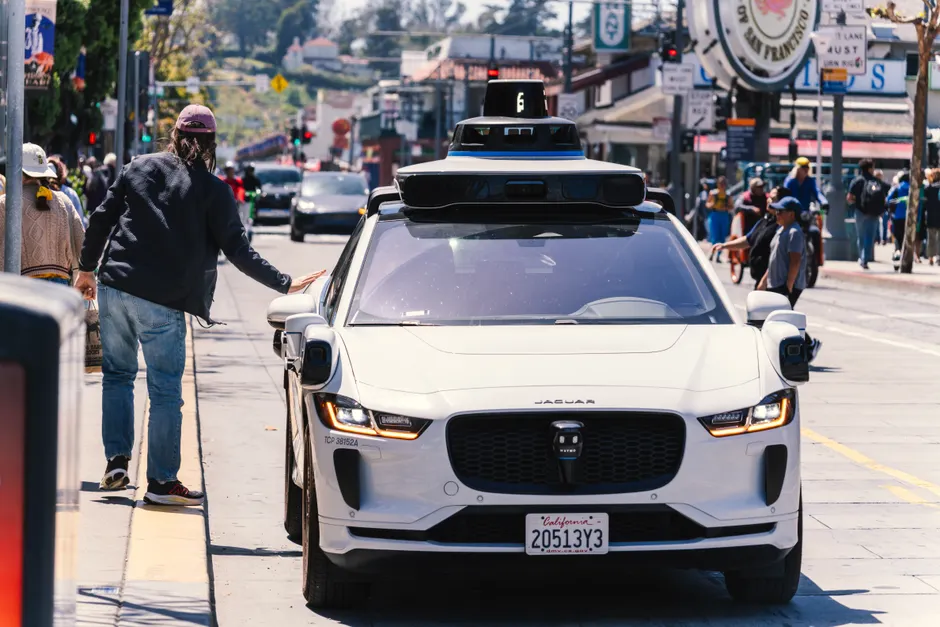
Waymo has begun offering robotaxi rides to and from Harry Reid International Airport in Las Vegas, the company announced on Wednesday, October 21, 2026. Initial access is limited to a few riders, and Waymo said the service will open to all customers after that initial phase.
Pickups and dropoffs take place in dedicated autonomous vehicle zones at Terminal 1 and Terminal 3. The airport's website places the Terminal 1 robotaxi pickup on Level 2 of the parking garage and describes autonomous rides between the airport and select Strip destinations (Harry Reid International Airport).
The Las Vegas launch is Waymo's sixth major airport. The service already runs at Phoenix Sky Harbor, Nashville International, San Antonio International, San Francisco International and San José International. In Las Vegas, Waymo's robotaxi service covers a 24-square-mile area of the city (TechCrunch).
The city has been a proving ground for several operators for some time. Reuters reported that Waymo was offering free robotaxi rides on and around the Strip as of November 2025, when its fleet exceeded 1,500 vehicles (Reuters). Amazon-owned Zoox began free public rides on and around the Strip on September 10, 2025 (Reuters). Reuters later reported that Zoox planned to start charging fares in early August 2026, with pricing similar to the comfort tier of other ride-hailing services (Reuters). Zoox also announced that its driverless robotaxis would begin carrying passengers to and from Harry Reid International, a service scheduled to start on September 3. TechCrunch reports that Zoox already offers airport rides.
Uber and Motional launched a commercial robotaxi service in Las Vegas on March 13, 2026. Uber app users in the city can hail a driverless electric vehicle at no extra cost (Reuters). In August 2026, Nevada state regulators approved permits allowing Tesla and Uber to put thousands of robotaxis on Las Vegas streets within the following year.
For the expert reader, the operational detail matters more than the headline. Airport service adds constraints that downtown operation does not: curbside staging in designated zones, multi-level terminal access, flight-driven demand spikes, and rider handoffs with luggage. Waymo's choice to launch with a small cohort of riders before general availability is the standard way to validate those edge cases under real load.
In my view, the airport is where robotaxi economics and public acceptance will be tested most visibly. A rider who has never used a driverless vehicle is more likely to try one for a 20-minute trip to a terminal than for a crosstown errand, and an airport pickup gives a fleet operator a dense, predictable source of fares. The same concentration also puts every pickup under close observation by travelers, airport staff and regulators.
The broader context here is a single metro hosting at least three robotaxi operators with different hardware and business models, plus a permit regime that is about to add Tesla and Uber at scale. Whether that density produces better service for riders, or simply more vehicles circling the same curbs, is a question the next year of operating data should begin to answer. What is already clear is that a traveler landing at Harry Reid can now, in certain terminals and for certain destinations, step past the rideshare queue and into a driverless car. For an industry that spent most of the last decade promising that, the step from demonstration to terminal curb is a meaningful one.