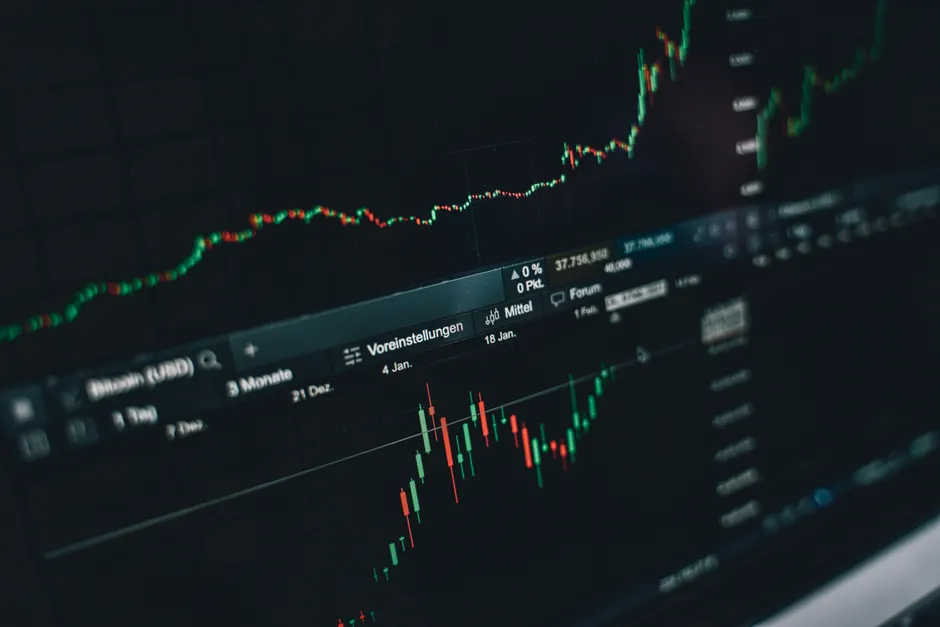
Alibaba's Rally Bucks a Tech Selloff — But the "Best Day in 10 Months" Claim Needs Scrutiny
Alibaba's US-listed shares (NYSE: BABA) closed at $98.14 on July 7, 2026 Macrotrends, capping a session that MarketWatch characterized as the stock's best day in ten months. That superlative did not turn up independently in Bloomberg, Reuters, or CNBC's own coverage of the period, and readers should treat it as MarketWatch's framing rather than a cross-confirmed market fact.
The rally arrived awkwardly against the tape. Bloomberg's "The China Show" flagged a tech selloff extending into Asian trading on July 8, 2026, and "The Close" the prior evening described chip stocks tumbling on AI-related anxiety. Oil also jumped after US strikes on Iran, per Bloomberg's coverage that same day — the kind of geopolitical shock that typically pushes risk assets lower, not higher. An Alibaba pop against that backdrop of selling elsewhere in tech is the detail worth sitting with, not the headline percentage move itself.
Context from earlier in the quarter helps explain the jumpiness. CNBC reported on June 24, 2026 that margin compression was on investors' minds, specifically the risk that rising chip prices squeeze the economics of major tech companies building out AI infrastructure. Two weeks later, Yahoo Finance described US equities recovering as pressure on the sector eased and chip names bounced from a recent dip. That recovery proved short-lived once the Iran-linked oil spike and the AI-anxiety-driven chip selloff hit in the following days. Alibaba's move sits inside that whipsaw — a single-name rally threading through a sector that has swung from margin worry to relief rally to renewed selloff inside roughly two weeks.
For traders sizing up whether this is a genuine re-rating or noise, the base rate on Alibaba-specific surges is instructive. This is not the first time BABA has posted an outsized single-day move on an idiosyncratic catalyst rather than broad China-tech sentiment. In April 2021, the US-listed shares jumped 8.6%, their best day since the prior July, immediately after Beijing handed down a record antitrust fine against the company — a "sell the news" pattern where regulatory clarity, even punitive clarity, removed an overhang Reuters. Three months earlier, in January 2021, the Hong Kong-listed shares surged 8.5% purely on the reappearance of Jack Ma in a video after a prolonged public absence, again marking a best-day-since superlative CNN Business. Neither move was driven by earnings, guidance, or a change in fundamental unit economics. Both were sentiment-clearing events.
More recently, the South China Morning Post reported that a broad Alibaba rally lifted Hong Kong equities to their biggest two-week gain, underscoring that BABA's single-stock weight is large enough to move the regional index, not just its own market cap SCMP. That index-level pull is a mechanical fact of Hang Seng and Hang Seng Tech composition, and it matters for anyone running China-tech beta or index-arb books: an Alibaba-specific catalyst propagates into basket pricing well beyond the stock itself.
The pattern across 2021, 2025, and now 2026 raises the same analytical question each time: is a single-stock pop a read on Alibaba's idiosyncratic story, or a proxy signal for sentiment across Chinese tech more broadly. The Iran-driven oil spike and AI-margin worry hitting global chip names on the same days make it harder than usual to disentangle. A rally in one large-cap name during a period of broad tech de-risking could reflect rotation — capital leaving crowded AI infrastructure trades and parking in a name perceived as less exposed to chip-price margin compression — rather than a standalone catalyst specific to Alibaba's business.
Positioning data would normally settle this, but none was supplied here, and extrapolating from historical analogs has limits. The 2021 antitrust-fine rally and the Ma-video rally were both resolved within weeks by subsequent price action that either extended or reversed the move depending on follow-through news — regulatory softening in one case, continued Ma-related headlines in the other. Absent a comparable identified catalyst for the July 2026 session, MarketWatch's own framing of the move — as a possible signal for whether China tech more broadly is due to "catch up" — is speculative rather than evidenced, and readers running relative-value books across the sector should treat the ten-month superlative as unverified until a primary source corroborates it.
What is verifiable is the closing print, the direction, and the fact that it came during a week when the rest of tech, chips especially, was under pressure from both AI-margin concerns and a geopolitical oil shock. Whether that divergence closes by BABA reverting or by the broader China-tech complex following it higher is not something the current dataset resolves.