Trump Declares Iran Ceasefire Over as US and Tehran Trade Strikes, Oil Jumps 7%

President Trump said on July 8, 2026 that he believes the Memorandum of Understanding (MOU) his administration signed with Tehran in June "is over," as the United States and Iran traded strikes and the two-week-old truce collapsed CNN. Oil prices jumped 7% on the news, with markets reacting to renewed uncertainty over tanker traffic through the Strait of Hormuz Virginia Business.
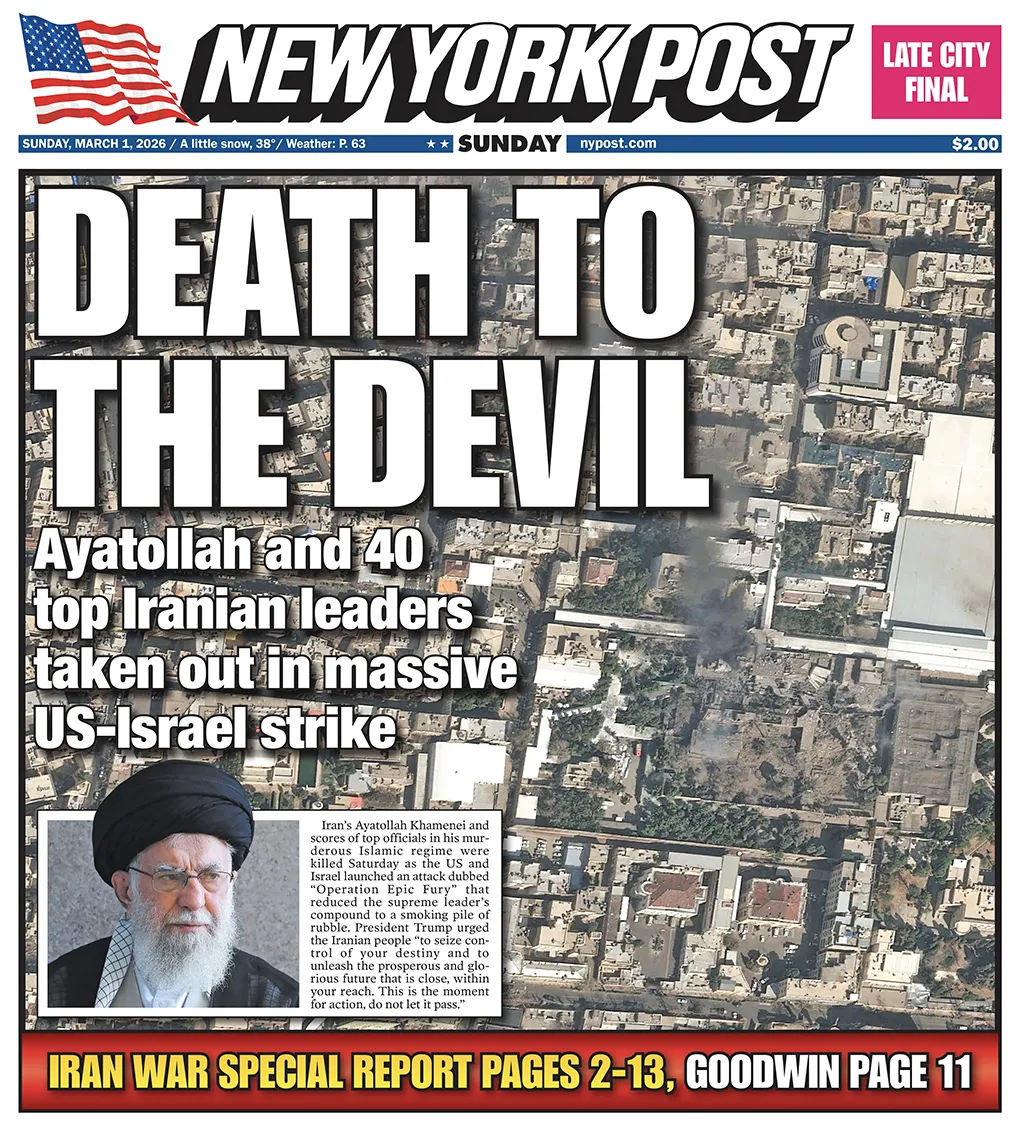
The breakdown caps a volatile several months in US-Iran relations that moved from open conflict to a negotiated settlement and back to hostilities within roughly three months. In April, Trump announced a ceasefire less than 90 minutes before a deadline he himself had set, a sequence the White House framed in a release titled "Peace Through Strength: Operation Epic Fury Crushes Iranian Threat as Ceasefire Takes Hold," which stated Iran had agreed to both a ceasefire and the reopening of the Strait of Hormuz while broader peace talks continued White House. Iran, for its part, had called the US ceasefire proposal "unreasonable" during that same window of negotiations AP. The S&P 500 rose 2.5% on the April announcement, a market reaction that in hindsight priced in a durability the arrangement did not have AP.
The diplomatic track appeared to advance further in June. A White House video dated June 17 shows Trump signing an Iran Memorandum of Understanding at Versailles White House, and a subsequent release dated June 19, titled "President Trump's Iran Agreement Is America First in Action," described a deal that would reopen the Strait and require Iran to relinquish its nuclear program White House. The choice of Versailles as a signing venue, paired with the MOU's stated nuclear-disarmament terms, signaled an administration eager to present the agreement as a historic diplomatic achievement rather than a temporary truce.
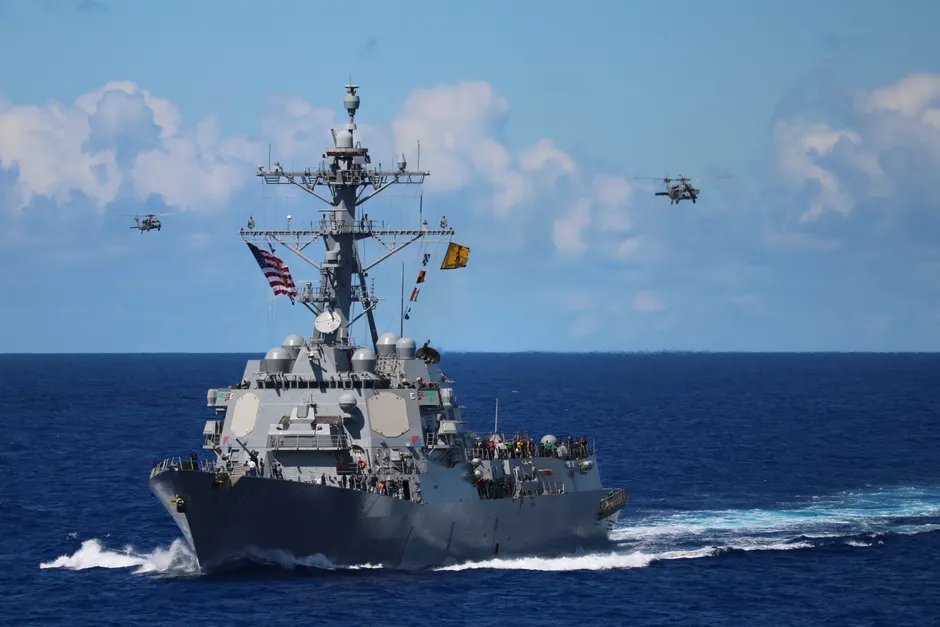
That framing sits uneasily against the military posture the administration maintained in parallel. Earlier in June, the renamed Department of War — the defense.gov site now displays "U.S. Department of War" as its institutional name DoW — published a June 10 item headlined "U.S. Plans Major Strikes on Iran, Hegseth Says," attributed to Pete Hegseth, identified in the same item as "Secretary of War" DoW. The department also referenced "Project Freedom," an initiative described as intended to move thousands of commercial vessels safely through the Strait of Hormuz DoW. Read alongside the Versailles signing a week later, the sequence suggests a negotiating track that never fully displaced contingency planning for renewed strikes.
Trump's own public messaging has tied the strait's status to the terms of engagement from early on. In a Truth Social post, he stated he would agree to suspend action conditional on Iran agreeing to the "COMPLETE, IMMEDIATE, and SAFE OPENING of the Strait of Hormuz" Truth Social. That linkage — freedom of navigation as the central bargaining chip — has run through every iteration of the conflict since, from the April ceasefire's stated terms to the June MOU's stipulations, and now to the collapse announced on July 8.
Notably, the White House's own news landing page shows no entry referencing Iran, a truce, or strike threats among items dated June 29 through July 7, with the most recent post as of that window concerning domestic tax policy White House. The silence on the official channel through the run-up to the collapse contrasts with the rapid cadence of Iran-related releases in April and June, and with the real-time reporting from wire services once the truce broke down on July 8.
The February 2026 fact sheet on Trump's executive order reaffirming the national emergency with respect to Iran, and establishing a tariff process, is worth recalling here White House. That order predates both the April ceasefire and the June MOU, meaning the underlying legal architecture of sanctions and emergency authorities never lapsed even as the administration pursued, and then abandoned, a negotiated settlement. Ceasefires and memoranda of understanding can be revoked unilaterally by either party; the national emergency declaration is a standing legal instrument that persists regardless of the diplomatic weather.
For markets and shipping interests, the immediate variable is whether renewed strikes translate into an actual closure of the Strait, through which a substantial share of global seaborne oil trade transits. The 7% oil price jump reflects anticipatory risk pricing rather than confirmed disruption to tanker flows. Whether "Project Freedom" — the naval escort concept floated by the Department of War in June — gets reactivated will be an early signal of how far the Pentagon, now rebranded, is prepared to go to keep commercial traffic moving through a chokepoint that has functioned, for months now, as the central term of every truce offer and every collapse.