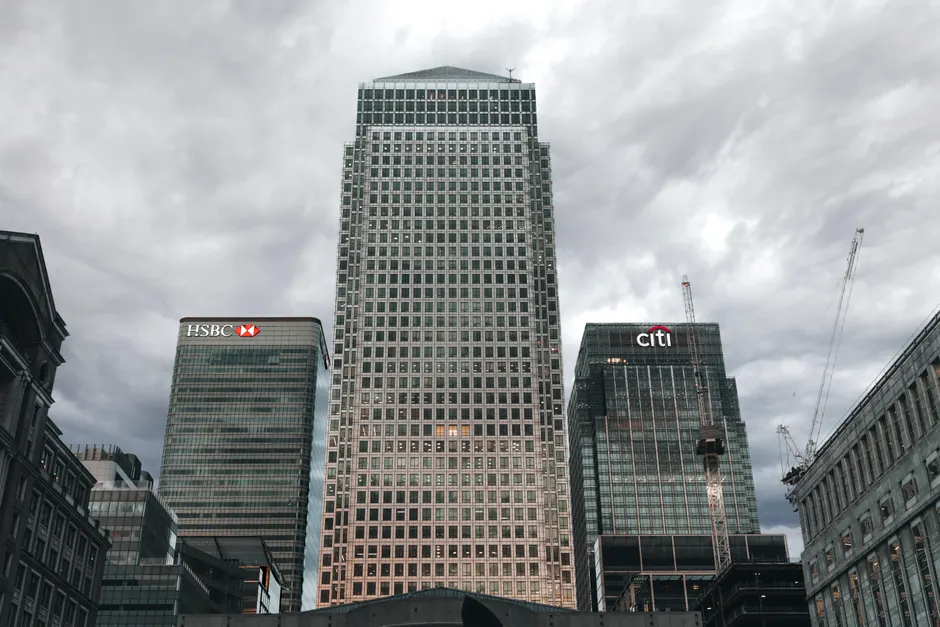
HSBC's Q3 2026 Release Arrives With a $1bn Buyback Due to Complete

HSBC Holdings plc set its third-quarter 2026 earnings release for Tuesday, 27 October, at 4 am GMT, or 12 pm in Hong Kong. The release lands with a share buy-back that the bank had flagged in August and expected to finish by the time of these results.
In its interim results on 4 August, HSBC said it intended to initiate a share buy-back of up to $1bn, expected to complete by its third-quarter results announcement. The bank called the programme its first since the Hang Seng Bank privatisation announcement in October, and Reuters reported it as a resumption after buybacks had been paused. For shareholders, the mechanics are simple. A buy-back retires shares, so a given level of profit is spread across fewer shares, which lifts earnings per share all else equal. The size matters, though. The $1bn plan is well below the two buybacks HSBC completed in respect of 2025, which together totalled $6bn.
That 2025 backdrop was a weaker year on the profit line. The bank reported profit before tax of $29.9bn, down $2.4bn, and profit after tax of $23.1bn, down $1.9bn, in its annual results. Capital returns were therefore funded from a smaller earnings base than the one that preceded it.
Ahead of the release, The Standard reported on 25 October that third-quarter profit was forecast to rise 33 percent. The same preview put operating expenses for the quarter at a projected fall of 12.38 percent, to US$8.85 billion. The gap between a forecast and an actual print is where the market's attention usually sits. Still, the combination is the one a bank wants: higher earnings with a shrinking cost line. Whether the cost fall holds up under restructuring charges and litigation provisions is a question the release itself will answer.
Net interest income is the spread between what a bank earns on loans and pays on deposits, and it is the line most exposed to the path of policy rates. In its interim media release, HSBC reported net interest income of $19.1bn, up $1.4bn. Its interim quick-read put banking net interest income at $22.9bn, up $1.6bn. Both figures cover the first half, so the third-quarter print will show whether that momentum carried through the summer. Analysts will be looking at deposit pricing and loan growth in particular, since those two levers determine whether the margin widens or simply holds.
For savers and borrowers, the transmission is indirect. Mortgage and deposit rates at HSBC's retail arms follow funding costs and competitive pressure, not quarterly profit, and a strong print does not by itself move the rates on a current account. For investors, the cleaner read is on capital. A buy-back of $1bn, if completed on the stated timetable, is a modest use of capital relative to the bank's earnings scale. What matters more is whether management keeps the programme running, expands it, or leaves it at the interim figure.
Three things will tell the story once the release is out: whether the $1bn buy-back is reported as complete on the timetable given in August, whether operating expenses land near the projected $8.85 billion, and whether net interest income continues to rise. If all three hold, the quarter looks like the one the preview described. If any one slips, the forecast of a 33 percent rise becomes the number to question.