Neso Issues Third Power Supply Warning of 2026 as Heatwave Strains Grid
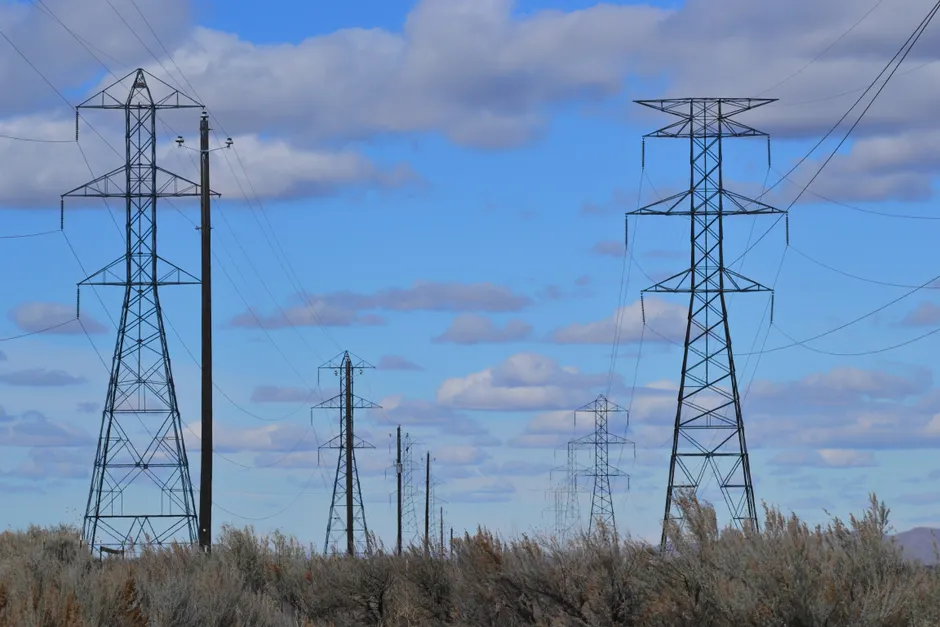
Britain's electricity system operator issued an electricity margin notice overnight before Thursday, asking generators for extra supplies as forecasts pointed to tight margins during the evening peak, with parts of southern England set to reach 34°C The Guardian.
Neso — the National Energy System Operator, which took over grid balancing duties from National Grid ESO in 2024 — said the tight margins stem from extreme temperatures across Europe curbing generation availability, and characterised the notice as a routine balancing tool rather than a sign of imminent supply risk. The operator was explicit that there was no threat to customer electricity supplies The Guardian. Electricity margin notices are a standard mechanism Neso uses to signal to the market that reserve capacity is running thinner than usual, prompting generators to make additional plant available or adjust output; they do not, on their own, indicate load shedding is imminent.
This is the third heatwave the UK has faced this year and the second in as many months to prompt Neso to ask generators for extra headroom. Weeks earlier, during the June heatwave, Neso made a near-identical appeal to the market on a Friday evening, citing extremely high temperatures across Britain and the continent combined with low wind output Yahoo Finance. The Telegraph reported at the time that Neso had signalled to power plants to make "any additional generation capacity" available as the system operator scrambled to manage demand The Telegraph, while Montel News flagged the same tightening on the wholesale market via social media Montel. That June episode culminated in a provisional UK high of 37.7°C recorded at Lingwood in Norfolk on 27 June, breaking the previous June record of 35.6°C set in 1976 The Guardian.
The current spell of hot weather is forecast to persist for more than ten days, according to the Guardian's reporting, which raises the prospect of further margin notices rather than a one-off event. The pattern points to a structural characteristic of heat-driven stress on the grid: demand climbs as air conditioning and fans draw more load, just as thermal and nuclear plants lose efficiency or face output curbs because the river and coastal water used for cooling runs warmer.
That dynamic is not confined to Britain. EDF, the French state-owned utility that operates the bulk of France's nuclear fleet, warned that the July heatwave was straining reactor cooling systems, with output potentially curbed at up to five nuclear plants because of elevated river-water temperatures The Guardian. France has historically been a significant net exporter of electricity to Britain via interconnectors, so any reduction in French nuclear output during a period of continental heat stress tightens the pool of import capacity Neso can draw on precisely when domestic demand is elevated.
The wider backdrop here is a grid operator managing simultaneous, overlapping stresses: heat-suppressed thermal efficiency, weak wind generation, and geopolitically constrained gas flows. In late June, Neso told Reuters that Britain would have sufficient electricity supply for the coming winter despite disruptions to energy flows linked to the Iran war Reuters. That reassurance was framed around winter adequacy, a different balancing problem from the summer peak-demand and cooling-constraint issues now recurring roughly every few weeks. Winter margin concerns typically centre on firm capacity and gas availability during cold snaps with low wind; summer margin notices, by contrast, are increasingly tied to simultaneous heat-driven demand spikes and heat-driven supply-side derating, a combination that didn't feature prominently in grid planning a decade ago.
Whether this becomes a recurring seasonal pattern or remains an artefact of an unusually hot 2026 is a question Neso's own capacity market and adequacy assessments will need to grapple with going forward. The operator has framed each notice individually as routine, and mechanically that description holds — margin notices are a normal part of system operation, not evidence of imminent blackout risk. But the frequency with which they have now been triggered across two consecutive heatwaves, alongside cross-Channel nuclear derating, suggests the assumptions underlying summer adequacy margins are being tested more often than in prior years.
Neso, formed when it absorbed National Grid ESO's system operator functions, marked its first year of operation on 1 October 2025, with chief executive Fintan Slye reflecting publicly on the transition Neso. The organisation's handling of back-to-back summer heat events will likely feature in how that first full year of independent operation is assessed.


